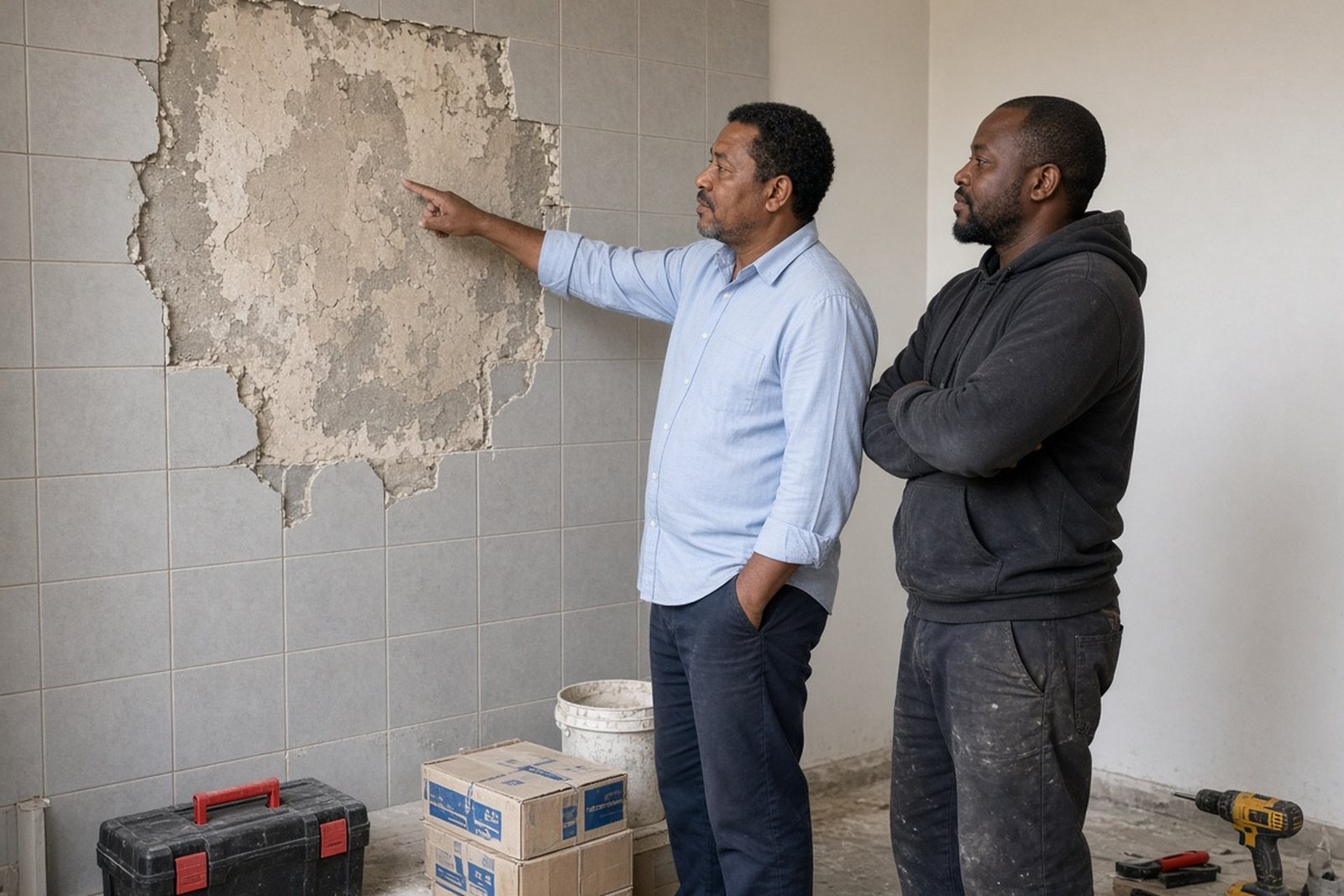


What the inspection period covers
An inspection period is the agreed window after delivery, or after a project milestone, where the buyer checks that the item or work matches what was agreed. In an escrow process, funds are held until the buyer confirms delivery and acceptance, or until the review period ends according to the agreed terms. That gives both sides a clear record and reduces back-and-forth when a parcel lands in Sandton, a used unit arrives in Durban, or a service is completed for a client in Cape Town.
Inspection windows are most useful when the goods are technical, fragile, made to order, or shipped between provinces. They also help when a job is delivered in stages, such as design work, equipment setup, or a freelance project with separate milestones. TrustIn can help buyers and sellers understand what should be checked, when to report a problem, and what evidence is needed before any release request is finalised.
- Delivery date or completion date noted in writing
- Time allowed for checking the item or work
- Clear steps for raising a concern during the window
- Evidence expectations for both sides
- Release after confirmation, or after the agreed period ends
How TrustIn handles the inspection window
Our process starts with the agreed transaction terms. We look at the delivery note, scope, milestones, or order summary so the inspection period is tied to what was actually sold. If the buyer receives a wrong item in Pretoria, or the work delivered in Johannesburg does not match the signed scope, the issue can be logged within the review window with supporting evidence.
We then guide the buyer through the next step. That may be a simple confirmation of receipt, a request for more time if the goods arrived late, or a formal concern about condition, missing parts, or incomplete work. Sellers are kept informed so they can respond with their own records, courier proof, or completion notes. The aim is to keep the record straight and avoid confusion later on.
- Confirm what was agreed before the window starts
- Check the item or work against the agreement
- Submit photos, screenshots or delivery records if needed
- Wait for response and follow the documented next step
- Release funds once the buyer confirms, or when the window closes without a valid dispute
What counts as a valid inspection concern
Not every delay or complaint is the same, so the inspection window should be used for clear, documented issues. Common examples include goods that arrive damaged, items that are incomplete, accessories that are missing, or a final service result that does not match the agreed scope. For online trades across Gqeberha, Midrand and Randburg, it helps to separate a courier problem from a product problem, because the evidence needed is different.
Where a buyer needs more time to inspect, the reason should be stated early. If the item is sensitive to moisture, the check may need to happen soon after delivery in coastal areas like Cape Town or Durban so any issue is recorded while the packaging is still available. The same applies to services that run over a few days, where progress should be checked at each milestone not only at the end.
- Damage visible on arrival or after unpacking
- Wrong model, wrong quantity, or incorrect specification
- Missing accessories or parts listed in the agreement
- Incomplete work or missed milestone delivery
- Courier delay that affects the agreed inspection period
Turnaround times and review steps
Inspection periods need a practical turnaround, not open-ended waiting. The actual window should be set before the trade starts and matched to the type of transaction. A parcel delivered locally in Johannesburg may only need a short check, while a multi-part project or a bulky item shipped between provinces may need a longer review. TrustIn helps both sides track dates so the process stays on schedule.
In most cases, the buyer should check the delivery as soon as reasonably possible and submit any concern within the agreed window. After that, the seller is given a fair chance to review the evidence and respond. If both sides agree, funds can be released straight away. If there is a problem, the matter can move into a dispute review with the relevant documents attached. This keeps the process orderly and avoids confusion about who said what and when.
- Day of delivery or completion: initial check and confirmation
- Within the inspection window: evidence submission if there is an issue
- After response: either release, correction, or dispute review
- Close of window: automatic release only where the agreed terms allow it
Pricing approach and what affects the scope
Pricing for inspection-period support is usually linked to the nature of the transaction, the amount of coordination needed, and whether the review is straightforward or disputed. A simple confirmation on a standard parcel in Sandton is not the same as a delayed milestone for a freelance assignment spread across several stages. The pricing approach should be clear before the trade begins, with no surprises once the window opens.
Because every transaction is different, the main cost drivers are the number of milestones, the amount of evidence to review, and how quickly both sides respond. If the delivery is simple and the documents are in order, the process is faster. If there is a mismatch, a courier issue, or a partial delivery, more time is needed to assess the records. Always check that any provider is properly registered and suited to the type of service being offered.
- Single delivery versus staged milestone review
- Standard check versus disputed inspection
- Local handover versus interprovincial courier trade
- Amount of evidence and follow-up needed
- Speed of buyer and seller responses
Document checks that keep the process clean
A good inspection window depends on good paperwork. The delivery note, invoice summary, order details, milestone outline, and any communication about changes should match. If the buyer says the item came with fewer parts than agreed, there should be a list to compare against. If the work was delivered in phases, each phase should have a dated record. This is especially helpful when the seller is based in one province and the buyer in another.
For practical use, keep the evidence organised and readable. Photos should show the full item as well as the specific concern, and screenshots should include dates if possible. If the issue relates to incomplete work, a short written note describing what is missing is helpful. The stronger the record, the easier it is to manage the inspection window without wasting time.
- Keep order terms and delivery records together
- Photograph the item before and after unpacking
- Record serial numbers, quantities, or milestone dates where relevant
- Use clear notes for missing parts or scope differences
- Submit evidence during the window, not after it has lapsed
When staged inspection checks make sense
Some trades need more than one inspection point, especially where the work continues over time. In those cases, staged inspection checks can help. That means a set check after each stage, rather than one final review at the end. It works well for deliveries with parts, projects with sign-off stages, and service jobs where testing is only possible after installation or handover.
TrustIn can guide the parties to set a sensible review rhythm, such as an initial check on delivery, a second check after installation, and a final confirmation once everything is working as agreed. For time-sensitive trades, this may need to happen within a day or two. For more complex jobs, the interval may be longer. The key is that the timing is written down, understood by both sides, and used consistently.
If the parties agree the inspection window should be extended, that should be noted before the end of the original period. That helps prevent a release query later on and keeps the transaction record tidy for everyone involved.
Deal summary
| Service type | Inspection period guidance within an escrow process |
|---|---|
| Coverage | Buyer and seller support for goods and completed work across South Africa |
| Typical use cases | Parcel delivery, milestone work, missing accessories, condition checks and scope reviews |
| Response method | Enquiry form on the contact page |
| Turnaround | Based on the agreed inspection window and input from both parties |
| Base area | Sandton, Johannesburg with support across Johannesburg, Cape Town, Durban, Pretoria and Gqeberha |