
How Music Gear Escrow Works in Practice
Escrow is a simple payment hold arrangement for private and business trades. The buyer pays into the escrow account, the seller ships the item, and the funds stay on hold until the buyer confirms delivery and the agreed checks are done. If there is a problem, the parties can raise it during the inspection period so it can be reviewed before release. That matters with instruments and audio gear because condition, missing parts and courier handling can affect the value very quickly.
In South Africa, this setup works well for online deals from Sandton to buyers and sellers across the country, including areas such as Midrand, Randburg, Bloemfontein, Polokwane and East London. It is also useful for remote transactions where the buyer cannot inspect the item before payment. Always check that any provider you use is properly registered and complies with the rules that apply to its services.
Equipment That Benefits From Escrow Protection
Music equipment is often condition-sensitive, and small faults can make a big difference to performance and resale value. Escrow is useful when the item is second-hand, rare, custom-made, shipped across provinces, or bundled with extras like stands, cases, cables or pedals. It also helps when a sale depends on whether the item powers up, holds tuning, records cleanly, or matches the description in the listing.
- Electric guitars, bass guitars and acoustic instruments with fragile finishes or neck adjustments
- Keyboards, digital pianos and stage pianos that need careful testing after transit
- Microphones, mixers, interfaces and studio monitors where ports and controls must all work
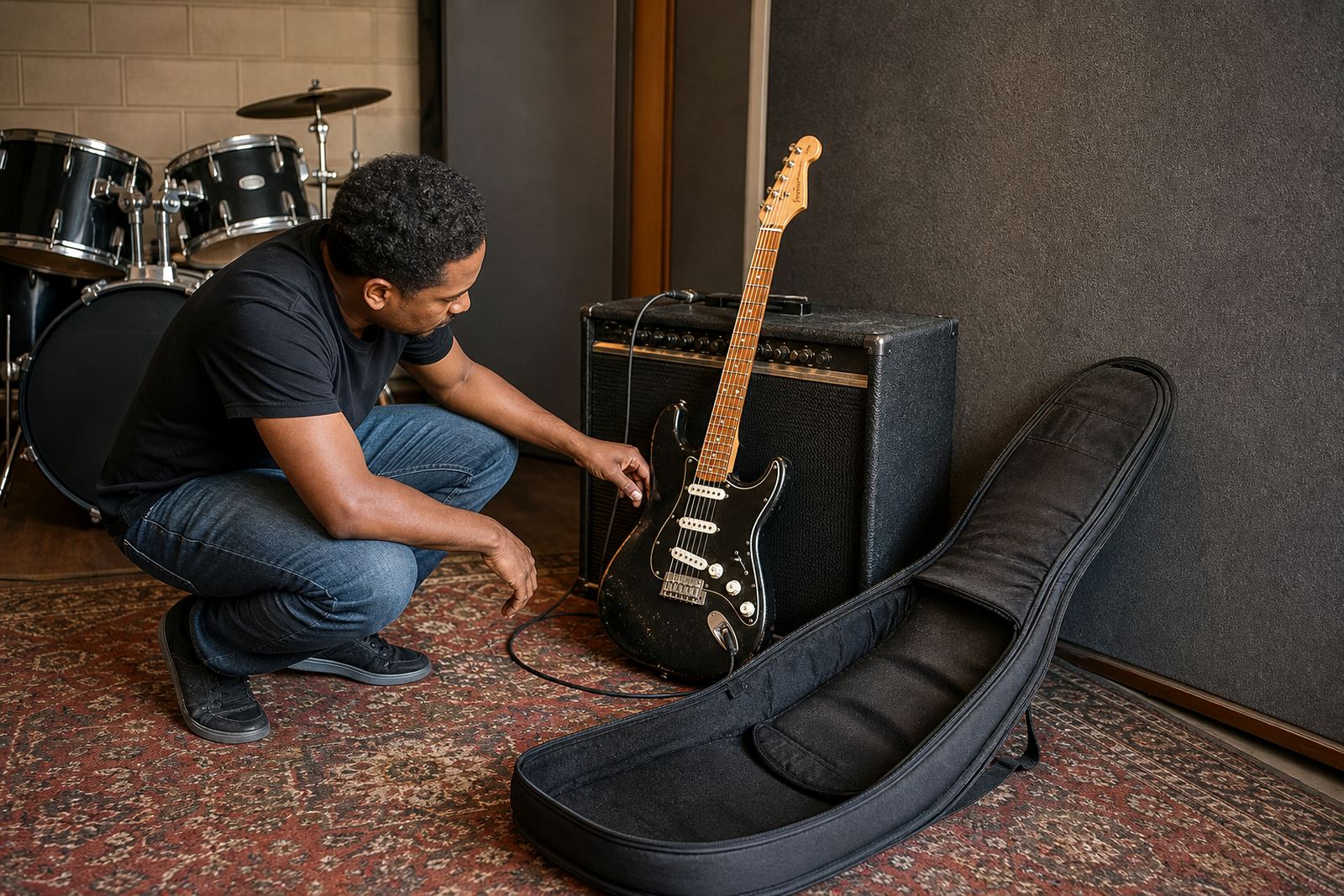
- Amps, pedals and effects units that may show wear, noise or internal faults
- DJ gear and controller systems that should be checked for buttons, jog wheels and outputs
For sellers in busy areas like Sandton, Midrand and Randburg, escrow can reduce back-and-forth about trust. For buyers, it gives time to inspect the item properly before funds are released.
Sizes, Order Values and Trade Setups
Music gear trades come in many sizes, from a single cable or pedal to a full studio bundle. Escrow can suit low-value and higher-value transactions, provided both sides agree on the exact item list and the release conditions before payment is made. A smaller order might involve one instrument or one accessory set, while a larger order could cover multiple items such as a mixer, microphone set, monitor pair and cables. The important part is that the agreement clearly sets out what is being sold, what must arrive, and what counts as acceptable condition.
Where a trade includes several items, it helps to list each one separately with the serial number, colour, visible marks and included accessories. That way there is less confusion if one item arrives missing a lead or carrying bag. A little detail upfront saves trouble later, and makes the inspection period easier to use.
- Single item trades for instruments, pedals or microphones
- Bundle trades with accessories, cases and mounting hardware
- Used gear sales where wear should be recorded before dispatch
- Local collection trades where payment still needs holding until checks are complete
- Interprovincial deliveries where the buyer cannot inspect before shipping
Before you book an escrow deal
Before paying into escrow, confirm the exact product details. Check the model, colour, finish, condition, included accessories, packaging and whether the item has been tested. For acoustic instruments, check for cracks, warped necks, loose tuners and changes to the action or bridge. If the seller claims professional use, ask for clear evidence of the current condition and any repairs.
It is also wise to agree on the inspection period and the proof needed if there is a problem. Photos, a short unboxing video, courier labels and item serial numbers can all help if there is a dispute. Keep the description plain and exact, because vague wording is where many music gear arguments start.
- Confirm the item list and note any missing accessories
- Check whether the item needs mains power, batteries or charging
- Agree on the inspection window before funds are released
- Ask for photos of wear points, sockets, knobs and switches
- Record serial numbers, where available, before shipping
Delivery, Inspection and Release Steps
Once the seller sends the item, the buyer should inspect it as soon as it arrives. Look for courier damage, broken corners, bent stands, scratches, missing parts and any sign that the item is not as described. For active gear, test sound output, power, display functions and connections. For instruments, check tuning stability, playability and whether the setup still feels right after transport. If the item is correct, the buyer confirms delivery and the escrow funds are released. If there is an issue, raise it inside the inspection period so the matter can be reviewed.
This is especially useful where the trade is time sensitive, like before a gig, church service or studio session. It keeps the process practical and gives both sides a clear sequence to follow instead of relying on informal promises.
How the escrow steps work
For coastal areas like Gqeberha and Durban, humidity can affect metal fittings, contacts and wooden instruments, so dry storage and proper packing are important.
Keep gear in padded cases, wrap loose parts separately and avoid leaving instruments in hot vehicles. After delivery, allow sensitive gear to acclimatise before powering it on. If you are buying used equipment, ask when it was last serviced and whether any parts were replaced. That includes valves, faders, pads, strings, heads, switches and cables.
- Use proper packing and cushioning for couriers
- Keep cables, power supplies and adapters in labelled bags
- Store instruments away from direct heat and moisture
- Test powered gear with the correct supply before use
- Check for cleaning, lubrication or setup work after delivery
Why Music Gear Trades Need Clear Support
Escrow works well when both sides know exactly what happens next. TrustIn supports buyers and sellers with Delivery Check Support, Item Condition Review, Missing Accessories Help, Wrong Item Support, Incomplete Work Review, Scope Difference Help, Milestone Delay Support, Inspection Period Guidance, Evidence Submission Help, Refund Process Support, Release Query Support and Courier Issue Help. That matters in music gear sales, where one missing pedal, cable or power adaptor can change the whole deal.
Our team is based in Sandton, Johannesburg and supports online trades across South Africa through the deal query form on our contact page. The team includes Thabo Arendse, Naledi Phiri, Aiden Naidoo, Lerato Mashaba, Megan van der Merwe, Reneilwe Hadebe and Jason Mkhize. If you are buying or selling music gear, keep the listing clear, the checks specific and the release conditions agreed before payment is made.
Deal summary
| Service type | Online escrow payment support for music gear trades |
|---|---|
| Ideal use | Condition-sensitive instruments, studio equipment and accessories |
| Trade coverage | Buyer and seller transactions across South Africa |
| Inspection focus | Condition, accessories, function and courier damage |
| Support areas | Sandton, Johannesburg, Cape Town, Durban, Pretoria, Gqeberha, Midrand, Randburg |