
Roodepoort appliance trade: the brief and the risk points
The client was a private buyer in Roodepoort arranging a local appliance purchase from a seller who was delivering within Gauteng. The item was functional on paper, but the buyer wanted time to inspect it, power it on, and check that the set came with the right fittings before any money moved to the seller.
The brief was simple in words but strict in practice: hold the funds safely, keep both sides informed, and only release payment once the buyer had confirmed delivery and basic testing. For a trade like this, the pressure points are easy to spot, including missing accessories, cosmetic damage, a unit that works for five minutes then cuts out, and confusion over who carries the risk if the item arrives in a different condition.
- Client type: private buyer and private seller in an appliance trade
- Town: Roodepoort, with the seller delivering in Gauteng
- Transaction type: higher value household appliance
- Main concern: test before final release, without delaying settlement any longer than needed
How the escrow structure was used in practice
Escrow works by holding the buyer’s funds in a controlled account until the agreed conditions are met. In this case, the condition was straightforward: the appliance had to be delivered, checked, and accepted before the release step. That gives both sides a clear sequence to follow, instead of relying on a phone promise or a hurried payment after the truck has already left.
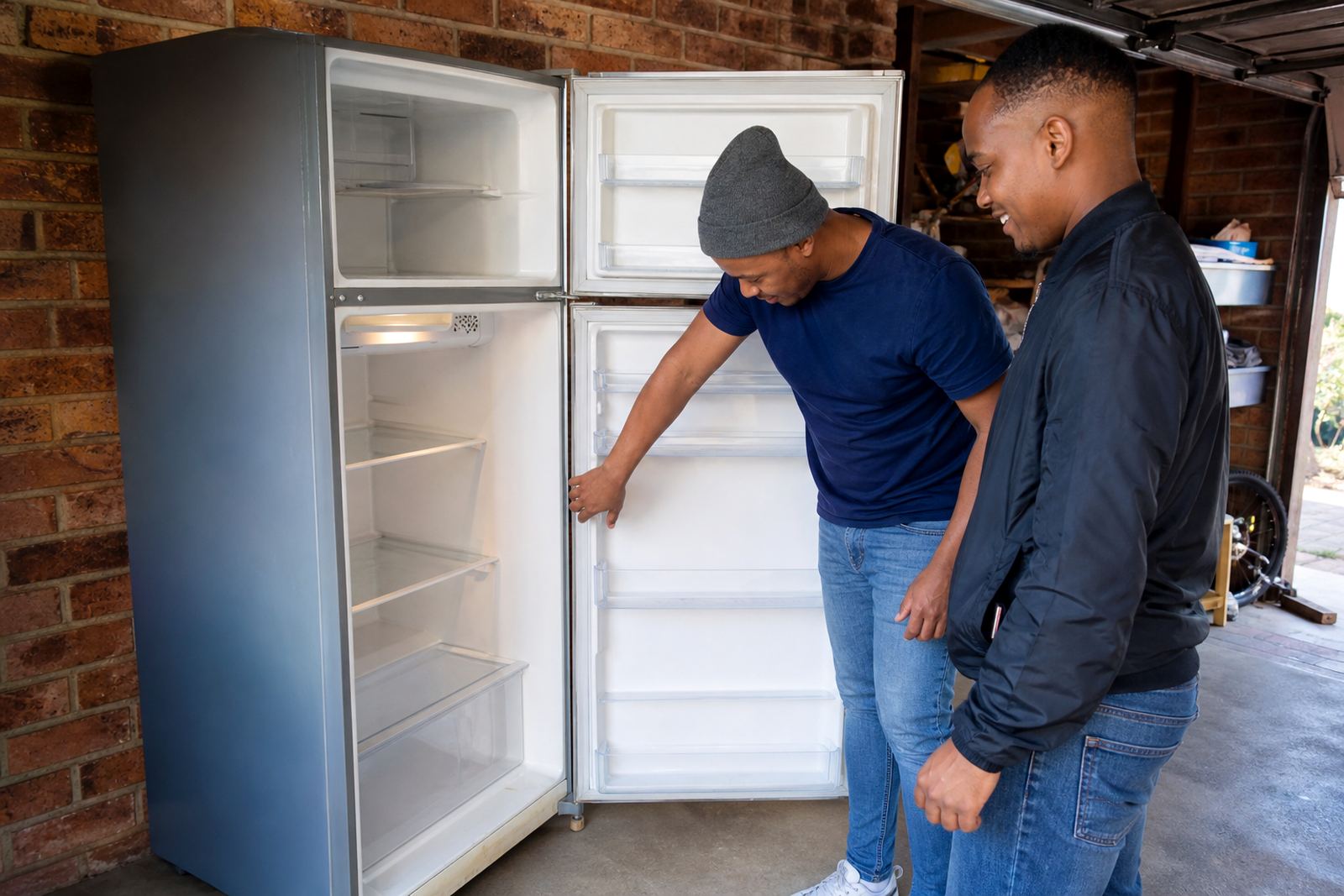
We set out the release steps in plain language so nobody had to guess. The buyer was told what to check on arrival, including the outer condition, the serial and model details where available, the power-up test, and whether the necessary parts were included. The seller was told exactly what would trigger release, which helped avoid back and forth once the item landed in Roodepoort.
- Funds held until delivery was confirmed
- Inspection window used for basic testing
- Release only after buyer confirmation
- Any issue could be logged before release, not after
What we supplied and handled over the 2 week timeline
The transaction ran over 2 weeks from first enquiry to final release. In week 1, we helped both sides understand the sequence, captured the trade details, and confirmed the inspection points that would apply to the appliance. In week 2, delivery took place, the buyer carried out the checks, and the release query was closed once the item matched what had been agreed.
Our role was practical rather than dramatic. We provided delivery check support, item condition review, missing accessories help, and release query support. Where the buyer wanted to confirm that the unit was complete, we guided the evidence submission process so photos and notes could be shared in an orderly way. There was no need for an argument over who was right first, which saved time and kept the tone calm.
- Week 1: trade setup, condition points and release rules confirmed
- Week 2: delivery, testing, inspection period guidance and release
- Support used: delivery, condition, accessories, evidence and release queries
Why the buyer asked for extra checks before release
Appliance trades can look simple until something small is missing. A loose fitting, a dent on the side panel, or a control issue that only shows up after a proper power test can change the value of the deal quickly. The Roodepoort buyer wanted enough time to check the appliance in real use, not just on the back of a bakkie or in a driveway.
That is where escrow is useful. The seller can still know the funds are secured, while the buyer is not forced to release payment before any practical inspection happens. In South Africa, where many trades happen across suburbs and the courier handoff may be the only face to face contact, that extra structure helps both sides trade with a bit more confidence.
Results for the Roodepoort appliance transaction
The result was a clean settlement. The buyer received the appliance, tested it, and confirmed that it matched the agreed details before release. The seller was paid after the inspection was complete, which removed the usual tension around whether payment should happen before or after the final check.
For this type of trade, the practical win is not only that the money moves safely. It is also that both parties know the process from the start, so there is less room for confusion about missing parts, delivery condition, or when the release will happen. That matters in towns across South Africa, from Roodepoort and Randburg to Sandton, Pretoria, Cape Town, Durban and Gqeberha, where sellers and buyers often do not meet face to face.
- Buyer confidence improved because testing came first
- Seller confidence improved because funds were already held
- Payment release happened only after confirmation
- Minor issues were handled before they became disputes
What we would keep on the next appliance trade
We would use the same structure again. For appliance transactions, the best outcome usually comes from agreeing the inspection steps early, keeping the release condition simple, and making sure the buyer knows exactly what to check before confirming receipt. That is especially important when the item is being moved between suburbs or collected in stages, because details can be missed if everyone is rushing.
We would also keep the evidence process practical. Clear photos of the item on arrival, a note of any visible damage, and a short confirmation of what was tested are usually enough to settle matters fairly. If there is any doubt, the issue should be raised before release so it can be dealt with in order. Anyone choosing an escrow provider should also check that the provider is properly registered for the services it offers, and should read the process carefully before paying in.
- Keep the inspection checklist short and relevant
- Confirm delivery before starting the release step
- Use photos and notes for any condition concerns
- Check provider registration before using any escrow service
Deal summary
| Project | Roodepoort appliance trade escrow payment |
|---|---|
| Location | Roodepoort, Gauteng |
| Timeline | 2 weeks from setup to release |
| Transaction type | Private appliance purchase with inspection before release |
| Key services | Delivery Check Support, Item Condition Review, Missing Accessories Help, Release Query Support |
| Outcome | Funds released after delivery was confirmed and testing was complete |