
The brief from a Stellenbosch custom order
The order came from a private buyer in Stellenbosch who needed a made-to-order item for a home project, supplied by a small local seller working on a tight turnaround. The buyer wanted a payment method that would hold funds safely until the finished item arrived, while the seller wanted proof that payment was already secured before starting the work. That is the basic purpose of escrow: the buyer pays in, the funds are held until delivery is confirmed, then the money is released to the seller.
The brief was practical. Both sides wanted fewer back-and-forth calls, no awkward cash chasing, and a clear record of each step. The order was local, but the buyer did not want the usual uncertainty that can come with custom work, especially when measurements, finish quality and timing all matter. Our role was to guide the transaction through the payment hold, inspection period and release step without making the process harder than it needed to be.
Because the item was custom-made, there was no room for vague terms. The buyer wanted the right dimensions, the correct finish and all agreed fittings included. The seller wanted a fair chance to complete the job without being paid in pieces or left waiting after delivery. We kept the process centred on the agreed order details and the handover checks, not on assumptions.
What had to be controlled before work started
The main constraints were timing, proof of completion and a clear acceptance point. The item was due within a short schedule, and the buyer wanted a reasonable inspection window after delivery. The seller was working with limited workshop time and could not afford repeated changes after manufacture had started. That meant the terms had to be settled before the item was made, including what counted as delivery, what counted as acceptance and what evidence would be needed if there was a dispute.
We also had to account for normal local issues. The buyer and seller were also in different parts of the greater Johannesburg area at different points in the process, so updates had to be easy to follow and available in writing. Nothing fancy, just a clean record of who approved what and when.
- Agreed order value and milestone points were confirmed first.
- Delivery details were checked before the item left the seller.
- Inspection timing was set so the buyer could review the finished item properly.
- Evidence rules were explained in simple terms before release could happen.
How the escrow process was handled
Once the buyer committed to the order, funds were placed in escrow rather than paid straight to the seller. That meant the money stayed held while the item was being completed and transported. The seller could see that the payment was secured, which gave confidence to proceed, while the buyer knew the funds would not move until the finished item was received and checked. For custom work, that structure is often the most practical option because both sides need trust at the same time.
We guided the order through a simple sequence: order confirmation, completion update, delivery notice, inspection period, then release. If anything had gone wrong, the buyer could submit evidence and the matter would move into a review step before any release decision. In this case the item arrived in good condition and matched the agreed brief, so there was no need for a refund process or a dispute hearing. The seller was paid after the acceptance step was completed.
- Buyer confirmed the custom brief and payment hold.
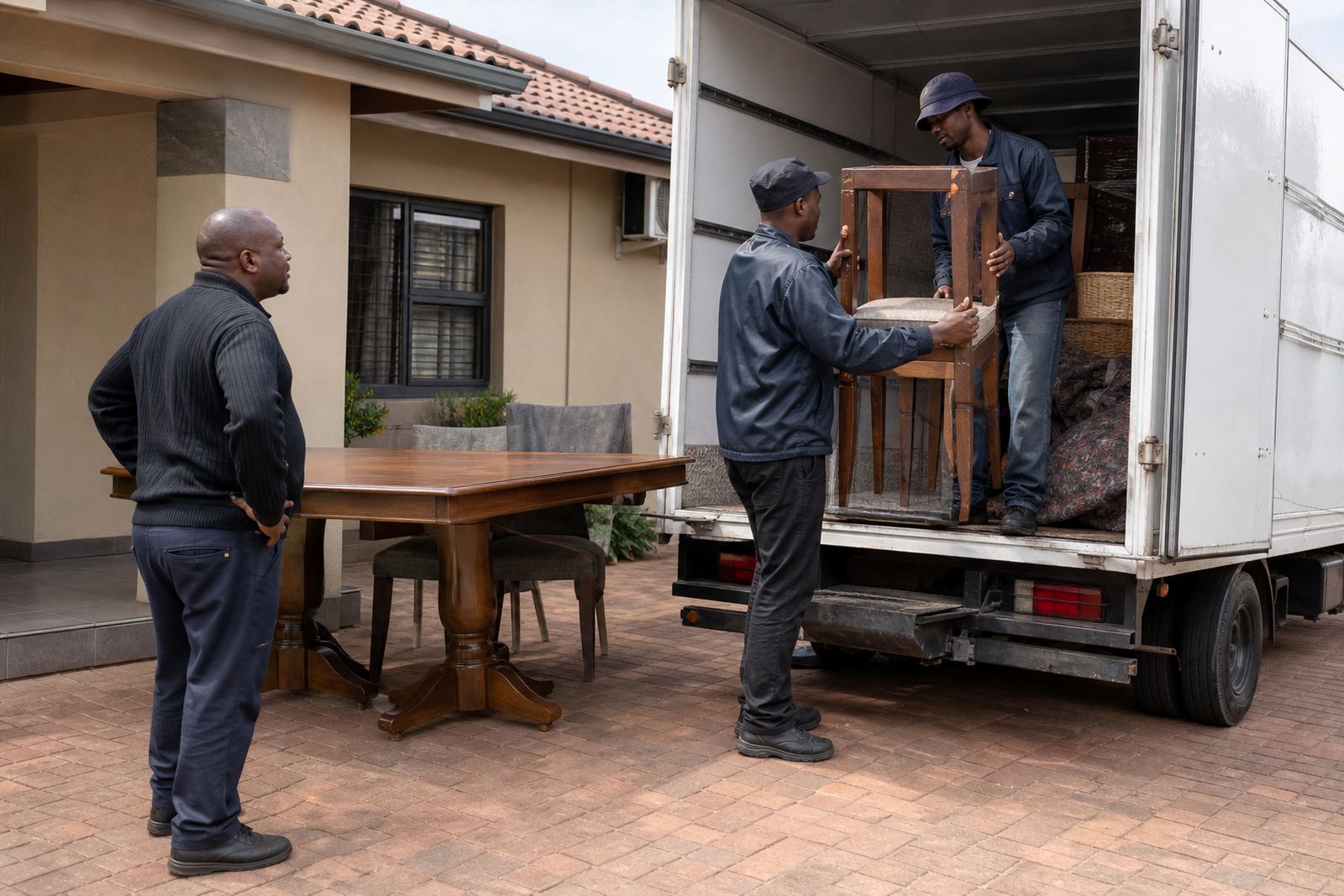
- Seller completed the item and sent delivery notice.
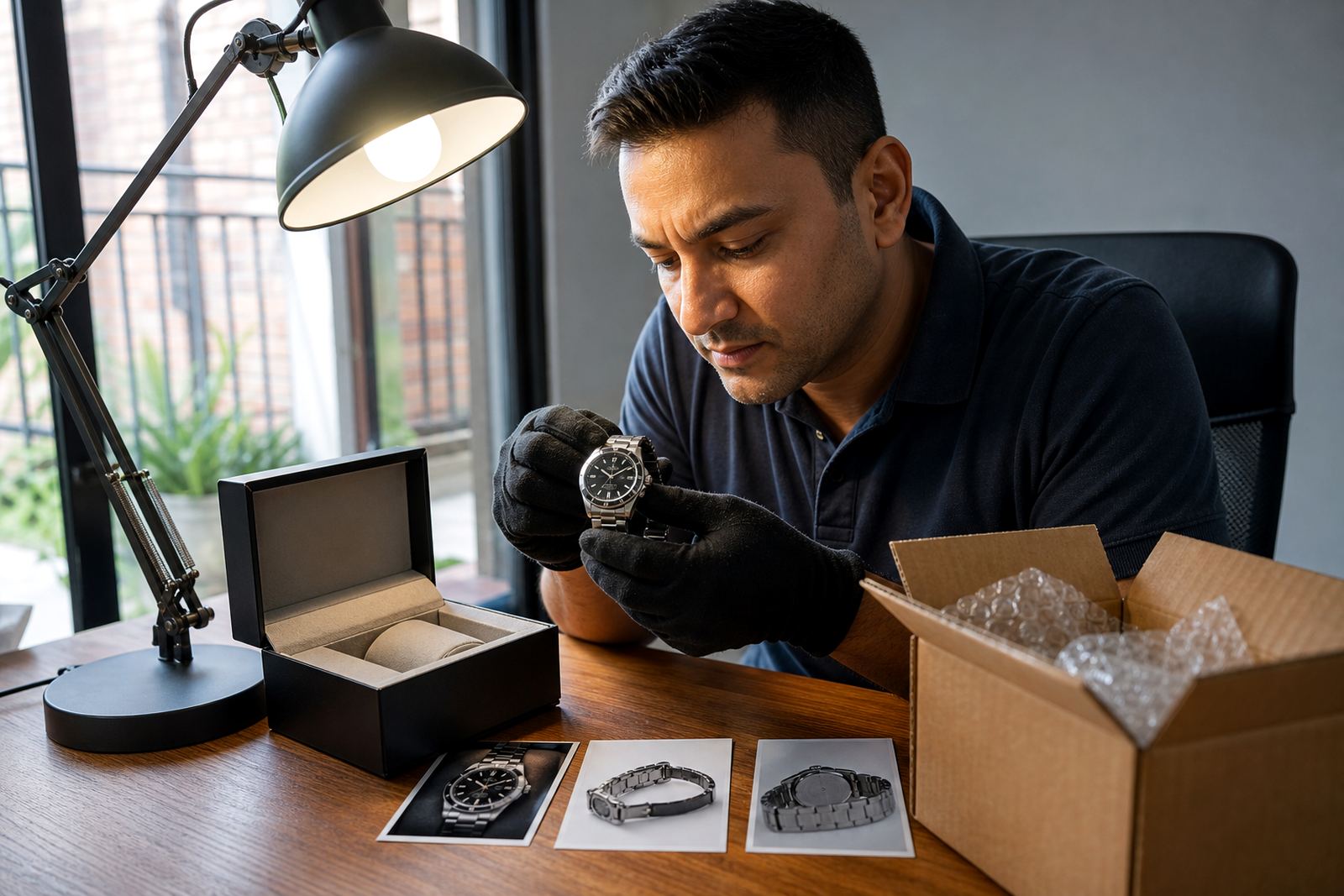
- Buyer inspected the item against the agreed details.
- Funds were released after written acceptance.
Project specs and timeline
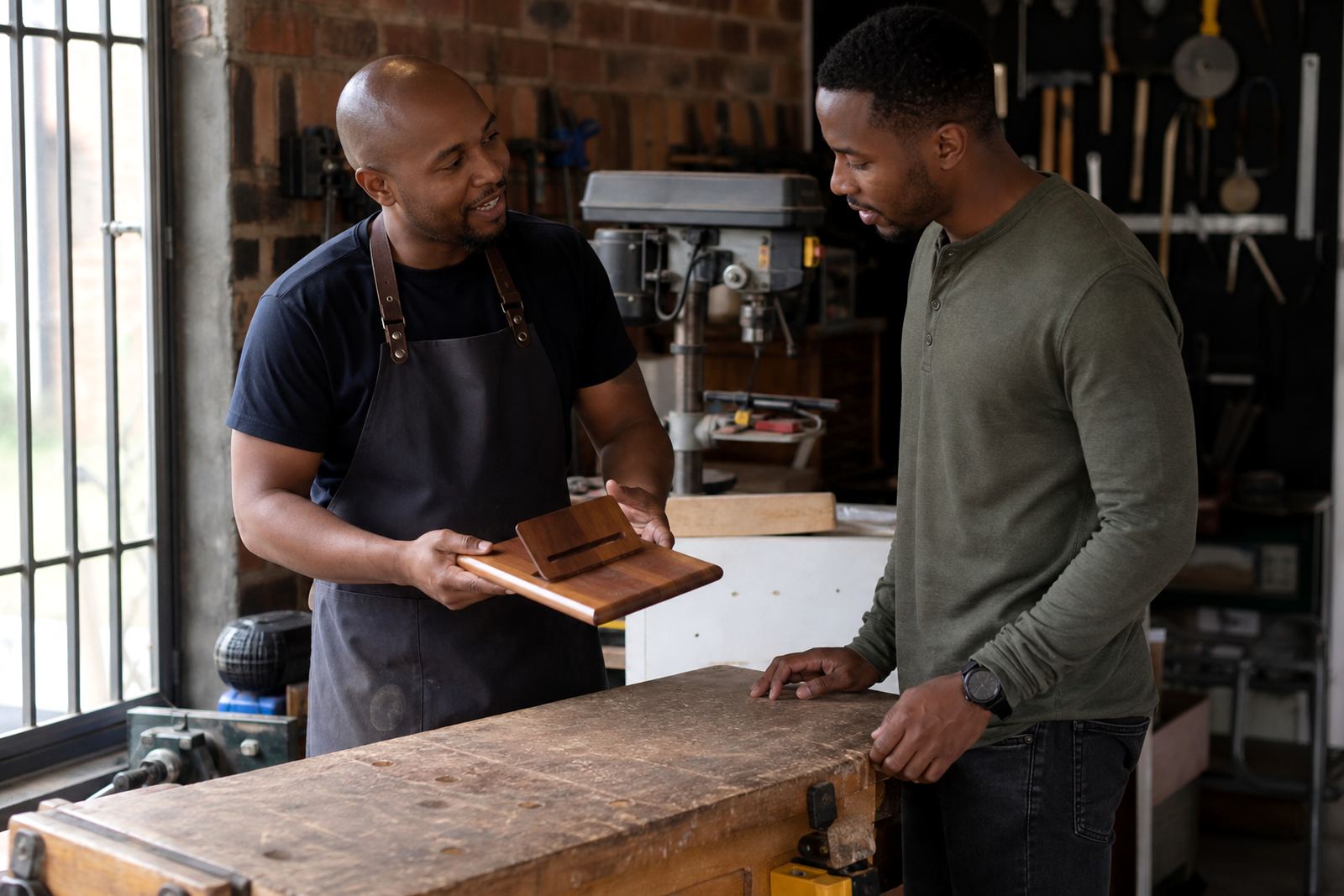
Specs mattered more than sales talk. The item was custom made to the buyer’s requested size, with a finished surface that had to match the agreed sample description. It also needed the correct fittings and a clean edge finish, since those were the points the buyer said would matter most on arrival. The seller supplied progress photos, and the buyer used those alongside the final handover to confirm that the order matched what had been agreed.
- Order type: custom-made item for a private buyer
- Town: Stellenbosch, with delivery and coordination in South Africa
- Timeline: 3 weeks from payment hold to release
- Checks used: delivery confirmation, condition review and item match against the brief
Results for both sides
The main result was certainty. The buyer knew the funds were protected until the item was received and checked, and the seller knew the payment had been secured before final delivery. That reduced the usual stress around custom work, where a small gap in expectations can easily become a larger problem. Because the inspection period was clear, the handover stayed calm and both sides had a fair chance to verify the order.
For the seller, the release came through after acceptance, which avoided delays and removed the need for repeated follow-up. For the buyer, the item matched the brief and arrived without missing parts, so there was no need to use missing accessories help, wrong item support or refund process support. The experience showed that a simple escrow structure can work well when the order details are specific and the evidence trail is kept tidy.
What stood out most was how much easier the final step became once expectations were set up front. No one had to guess who was responsible for what, and the release query stage was never needed because the acceptance was straightforward. That saves time for both sides and keeps the project moving.
Kept for the next deal
We would use the same approach for any custom order where measurements, finish quality or missing parts could become an issue. A buyer needs a clear inspection window, and a seller needs payment security before handing over a finished item. When those two needs are balanced properly, escrow does its job without drawing attention to itself.
For similar jobs, we would set the acceptance rules in writing before manufacture begins, confirm delivery method early and ask for photo evidence at key points. We would also keep the communication channel simple so that a buyer in Stellenbosch, Cape Town or Pretoria can follow the same process without confusion. If a courier delay or scope change appears, it is better to note it early than wait until the last minute.
If you are checking any escrow provider, make sure they are properly registered and that the release terms are explained clearly before you pay in. That is the kind of basic check that helps both sides avoid trouble later.
Deal summary
| Project | Stellenbosch custom-made order held in escrow until acceptance |
|---|---|
| Client type | Private buyer and small local seller |
| Town | Stellenbosch |
| Timeline | 3 weeks |
| Key checks | Delivery confirmation, item condition review, missing accessories check |
| Outcome | Funds released after the finished item was accepted |