
When High-Value Private Sales Need Extra Payment Control
High-value items usually create more tension than ordinary second-hand sales because the buyer wants proof before release, and the seller wants certainty that payment is secured. That is common with vehicles, photography gear, industrial tools, computer equipment, watches, musical equipment and specialist parts where a single mistake can mean a loss of thousands of Rand.
Escrow helps by placing the payment on hold while the item is in transit or being inspected. The seller can move ahead with the handover knowing the funds are already committed, while the buyer knows the money is not paid out too early. For online trades between Johannesburg, Cape Town, Durban, Pretoria and Gqeberha, that structure matters even more when the parties have never met in person.
TrustIn supports buyers and sellers who want a simpler way to manage this process. We work from Sandton, Johannesburg and guide users through each stage by enquiry form on our contact page, with support for common issues like delivery confirmation, item condition review, missing accessories and release queries.
How Escrow Works On A Higher-Value Transaction
The basic flow is straightforward. The buyer agrees to the purchase, payment is placed into escrow, and the seller proceeds with delivery or collection. Once the buyer confirms that the item arrived as described and within the agreed inspection period, the payment is released to the seller. If there is a problem, the parties can raise it while the funds are still held.
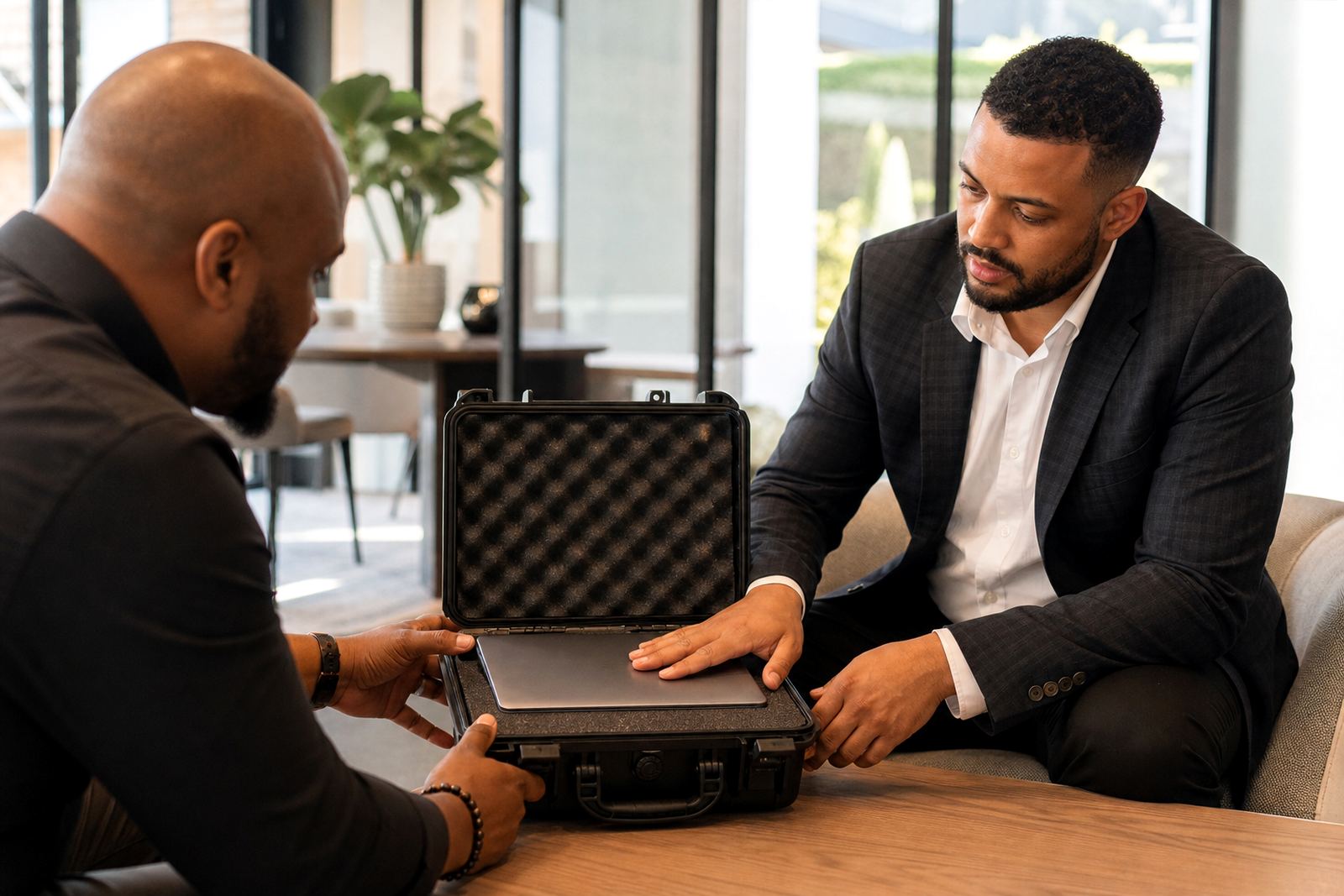
That process is useful for items where condition matters as much as price. A laptop, for example, may arrive physically intact but still have a missing charger, a cracked hinge or the wrong storage size. A machine tool might be complete but not match the agreed spec. Escrow gives both sides time to check the facts before money changes hands permanently.
Before using any service, check that the provider is properly registered where required and that you understand the process you are agreeing to. TrustIn does not replace your own due diligence, and it is still important to read the terms attached to the trade, delivery method and inspection period.
- Funds are held until delivery is confirmed.
- The buyer inspects the item before release.
- The seller gets paid only after the agreed check is complete.
- Disputes can be raised while the payment is still pending.
Typical Setup For Expensive Items
High-value private sales usually benefit from more structure than a normal quick sale. A sensible setup includes the item description, serial numbers where relevant, photos from multiple angles, a clear list of included accessories, and a written agreement on the inspection period. If the item is being shipped, confirm who books the courier, who pays for packaging and what happens if the parcel is delayed or damaged.
For buyers and sellers in Gauteng, the Western Cape, KwaZulu-Natal and the Eastern Cape, the practical details matter. Batteries, screens, glass items and precision equipment need extra protection, and it is wise to keep the original protective inserts if they are available.
TrustIn provides support around delivery check support, item condition review, missing accessories help, wrong item support, incomplete work review, scope difference help, milestone delay support, inspection period guidance, evidence submission help, refund process support, release query support and courier issue help.
- Photograph the item before sending it.
- Keep the serial number, model details and accessory list together.
- Agree on the inspection period before payment is released.
- Use packing that suits the item weight and fragility.
Layout And Planning Advice For The Parties Involved
For a seller, the best plan is to prepare the item before listing it. Clean it, test it, capture clear pictures and note any wear, scratches or service history. If the item includes parts, manuals or software keys, write that down in plain language. It reduces arguments later and keeps the release step cleaner.
For a buyer, set aside time to inspect the item properly. When the delivery arrives, check the packaging first, then the item itself, then accessories and operation. Do not rush the process if the purchase is worth a lot of money. If something is wrong, raise it during the inspection window and keep your evidence in one place so it is easier to review.
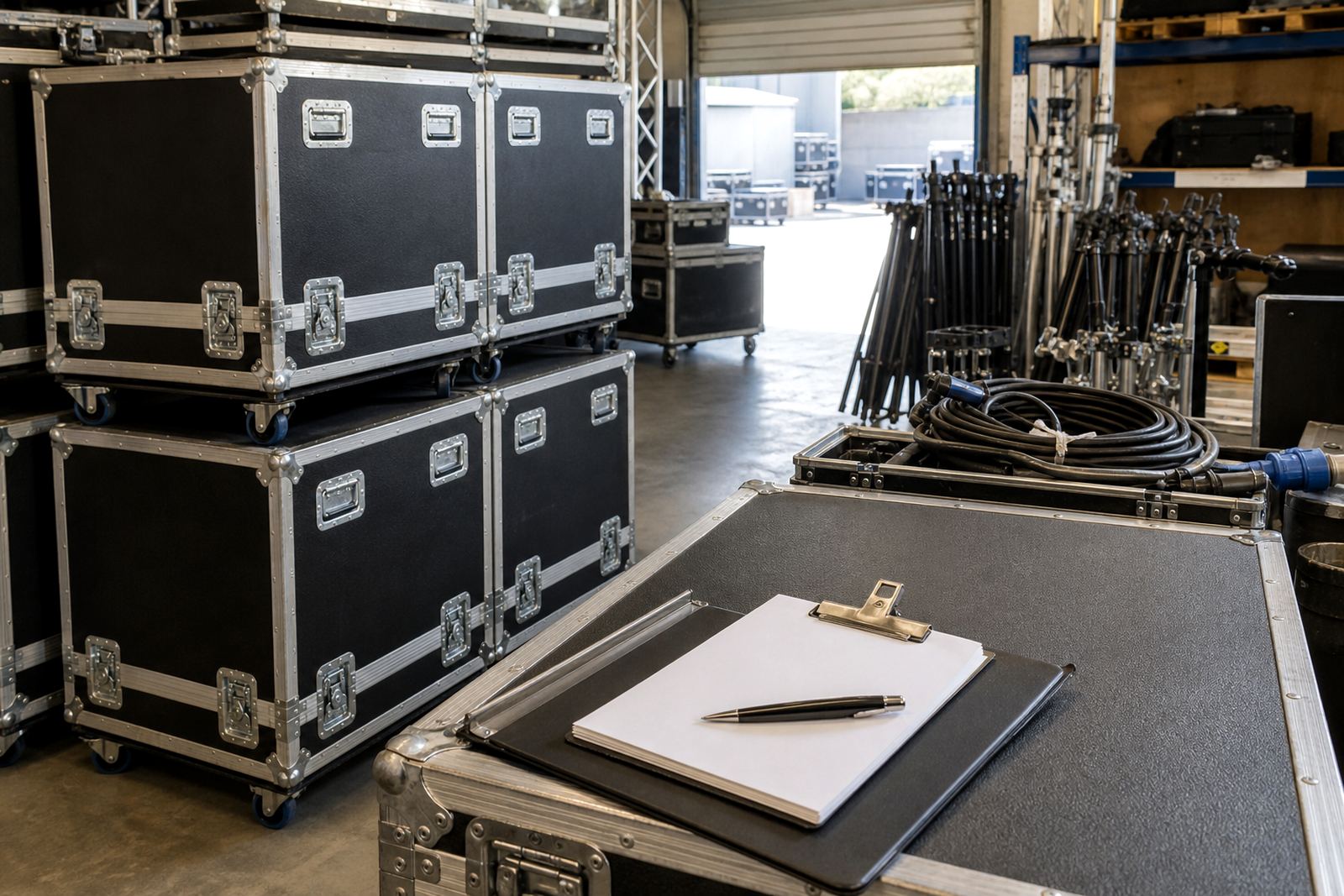
When dealing with larger items or bulky equipment, think about where the handover will happen. A secure office park, storage facility or loading bay may be better than a roadside stop. In Sandton, Midrand and Randburg there are many trades where collection points are used to reduce confusion, while cross-city deliveries may need a stricter record of time, condition and receipt.
Common Mistakes That Cause Delays Or Disputes
Most problems in high-value escrow trades come from unclear agreements rather than the payment method itself. A buyer may assume the item must be perfect, while the seller may think normal wear is already accepted. A courier may deliver late, or the parcel may arrive with an accessory missing because it was never packed in the first place. These situations are avoidable if the trade is documented clearly.
Another common mistake is releasing payment too quickly. Once the money is released, the room to sort out a dispute becomes smaller. Buyers should use the inspection period properly, and sellers should not pressure the other side into confirming too early. Both parties should also avoid changing the deal by message after payment has already been placed in escrow.
- No written list of included accessories.
- Unclear inspection period or delivery deadline.
- Missing proof of condition before dispatch.
- Assuming the courier will settle a content dispute.
- Using vague wording like “good condition” for expensive goods.
Budget Ranges And What To Set Aside In Rand
When planning a higher-value sale, the item price is only part of the budget. You may also need to allow for packaging, courier delivery, insurance arranged separately by the parties if desired, cleaning, testing, minor repairs and any travel tied to collection. For many private trades, the practical range is anything a quoted price to well above a quoted price, depending on the item and the risk involved. Ask for a quote
A lower range might cover smaller specialist equipment or used consumer items in a quoted price bracket. Mid-range trades is quoted per job, where careful inspection and proof of condition become more important. Anything above that should be treated with extra care, especially if the item is difficult to replace or has a narrow resale market. Ask for a quote
TrustIn supports buyers and sellers across South Africa who want a cleaner way to manage that level of value. From Johannesburg and Pretoria to Cape Town, Durban and Gqeberha, our service helps keep the payment side organised while the delivery and inspection are still taking place.