
When a private vehicle sale needs extra care
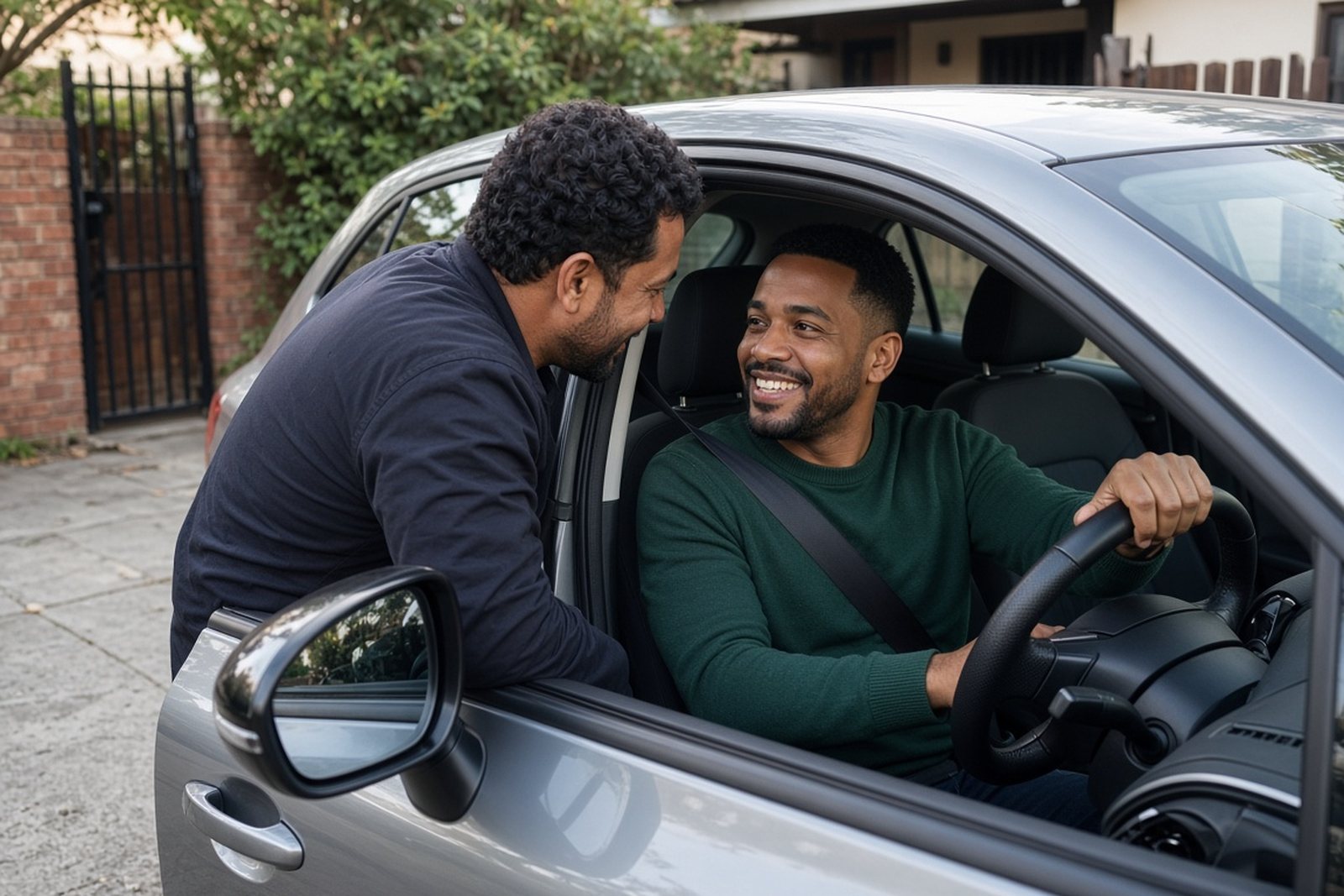
Private car deals often happen in parking bays, driveways, office parks or near a bank where both sides want the exchange done quickly. That is sensible, but it can also create pressure. The buyer wants to confirm the vehicle matches the advert, while the seller wants certainty that the payment will clear without delay. Escrow helps manage that handover by holding the funds until the agreed checks are complete.
This is useful for sales between Johannesburg and Cape Town, or when a seller in Durban is dealing with a buyer in Pretoria or Gqeberha. It also helps where the car is being collected by a transporter, or where the handover has to wait for a weekend inspection. The process stays simple: the buyer pays into escrow, the seller delivers the vehicle and agreed documents, the buyer confirms receipt and condition, then the funds are released.
What is usually included in a vehicle handover
Every vehicle is different, but most private sales need the same core items checked before payment is released. Buyers should confirm what is included in writing, especially if the sale involves extras like spare keys, tools or a removable sound system. Missing items are a common source of argument, so the list needs to be clear from the start.
- Vehicle keys, including any spare key or remote
- Registration papers and transfer documents, where applicable
- Service records, owner manuals and wheel lock tools if available
- Tyre condition, jack, spare wheel and basic roadside kit
- Any agreed accessories, such as roof racks or tow bars
- Fuel level, odometer reading and general condition at handover
Any finance settlement, roadworthy or licensing issue, or title document still being processed should be dealt with before release terms are set. Escrow does not fix those issues for you, but it does give both sides a clear point at which payment can move.
How to set up the release conditions properly
The best escrow arrangement starts with plain language. Both parties should agree exactly what must happen before release, and they should avoid vague wording such as "once everything is fine". If the car is being inspected at handover, note the time allowed for checks, who may carry them out, and what evidence is needed if something is not right. A clear note on delivery location also helps, especially when the vehicle is handed over in Sandton, Midrand or Randburg and the buyer lives elsewhere.
Useful release conditions often include the following:
- Vehicle delivered to the agreed address or collection point
- Buyer confirms the car starts, drives and matches the stated details
- All included items are present at handover
- Any agreed inspection period has passed without a valid dispute
- Payment released only after both sides confirm the handover is complete
If the sale includes a short inspection period, keep it practical. Two to 24 hours is common for a private vehicle purchase where the car is already on site. Longer periods may be needed if the vehicle is being transported between provinces, but the terms should still be simple and written down before the money is lodged.
Typical setup for a private vehicle transaction
A private vehicle purchase does not need a complicated setup. Most buyers and sellers only need a mobile phone, the vehicle itself, the paperwork and a place to complete the inspection without traffic pressure.
For a sale in Gauteng, many people choose a secure public location with lighting and enough time to inspect the car properly. On the coast, especially in Durban or Gqeberha, humidity and salty air can affect bodywork and fittings, so a closer look at seals, undercarriage and electrical functions makes sense. If the buyer is travelling from another area, arrange the handover where the vehicle can be tested without rushing the process.
- Identity and contact details for both parties
- Vehicle registration details and VIN for matching records
- Written sale terms, including inspection time and included items
- Clear photographs of the car before collection
- Any courier or transporter details if the vehicle is not collected in person
Keep the document set complete from the start. Small gaps, like an unclear odometer reading or a missing spare key, can create delays even when the car itself is fine.
Common mistakes buyers and sellers make
Most problems come from poor preparation rather than bad faith. A buyer may transfer funds before checking the car, or a seller may hand over keys before the payment terms are properly agreed. Another common mistake is assuming that a quick verbal promise will be enough if the buyer later disputes the condition. Written terms matter, even in a private sale between people who know each other.
Other mistakes include:
- Not listing every accessory and spare key
- Agreeing to release funds before the handover is verified
- Failing to confirm the inspection period in advance
- Not keeping photos or messages that show the agreed condition
- Using unclear language about scratches, warning lights or tyre wear
Sometimes a seller expects instant release while the buyer is still checking the paperwork, or the buyer asks for a refund because the car was not described accurately. Escrow works best when both sides understand that release depends on the agreed checks, not on pressure at the collection point.
Budget ranges and support for South African car deals
For a private vehicle purchase, the escrow amount usually reflects the agreed sale price of the car, which can range from a modest older hatchback to a higher-value SUV or bakkie. Because every transaction is different, it helps to think in bands. Many private sales sit somewhere a quoted price, while others may be below or well above that depending on age, mileage and condition. Ask for a quote
There may also be extra costs around the sale itself, such as transport between provinces, a pre-purchase inspection, parking, or the cost of sorting out paperwork before release. Those costs should be discussed separately from the escrow arrangement. If there is a dispute about delivery, missing accessories, a condition mismatch or a delay in handover, support should focus on the agreed evidence and the original release terms.
TrustIn supports vehicle buyers and sellers across Johannesburg, Cape Town, Durban, Pretoria and Gqeberha through an enquiry form on our contact page. Our team, including Operations, Buyer Support, Seller Support, Compliance and Dispute Resolution, helps with delivery check support, item condition review, missing accessories, wrong item issues, incomplete work review, scope difference help, milestone delay support, inspection period guidance, evidence submission help, refund process support, release query support and courier issue help. If you are comparing providers, check that any escrow service is properly registered before you use it.