
Why distance changes the risk on ordinary trades
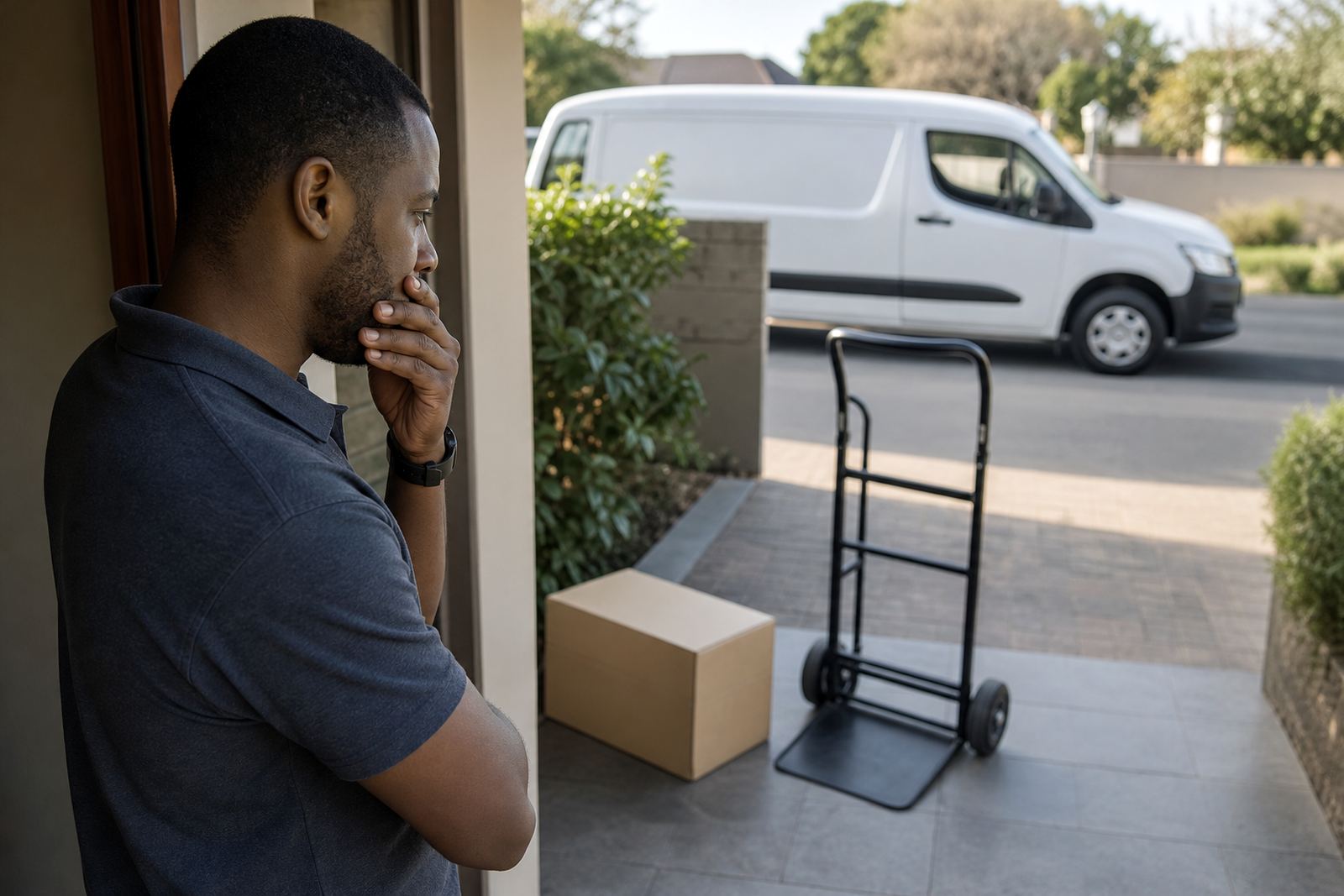
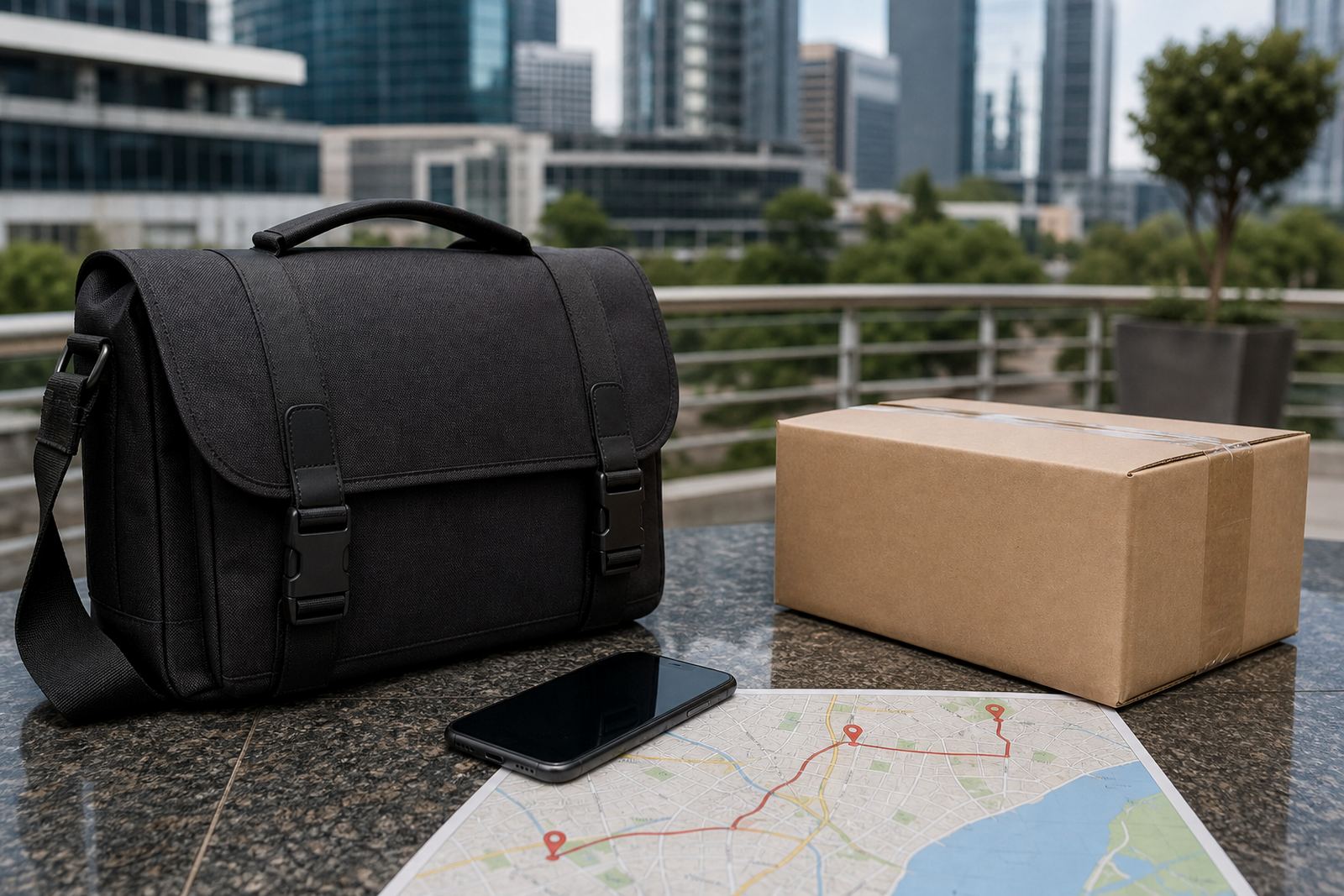
Trading across cities sounds simple until the courier is delayed, the item arrives damaged, or the seller has already sent goods and the buyer still has not seen them. In a local handover, both sides can inspect the item in person. Cross-city trading removes that option, so the chance of a dispute goes up.
That is where escrow is often useful. The buyer does not pay straight to the seller and hope for the best. Instead, the funds are held until the agreed delivery is confirmed. The seller can see that the money is in place, and the buyer has a process to follow if something is missing or wrong.
- Useful for electronics, furniture, fittings, art, equipment and freelance work
- Helps when the buyer and seller are in different provinces
- Gives both sides a clear record of the agreement
How escrow works in plain terms
The basic process is straightforward. The buyer and seller agree on what is being sold, the delivery terms, and when the payment should be released. The buyer pays into escrow, the seller sends the item or completes the service, and the buyer confirms delivery once everything matches the agreement. Only then is the payment released.
That simple sequence matters in cities like Johannesburg, Cape Town, Durban, Pretoria and Gqeberha, where you may not meet face to face. It keeps the transaction tied to the actual delivery, not just a promise. If there is a problem, the parties can use the agreed evidence and support process to work through it.
- Check the listing or invoice before payment
- Keep screenshots, courier tracking and photographs
- Confirm whether the delivery includes accessories, manuals or installation parts
An escrow deal that closed in Cape Town
Picture a seller in Sandton sending a second-hand office printer to a buyer in Cape Town. The buyer wants to know the machine powers up, prints clearly and arrives with the paper trays and cable. The seller wants to know the buyer will not hold back payment after the parcel has already been collected.
With escrow, both sides have a cleaner path. The seller ships the printer, the buyer checks it on arrival and then confirms whether the item condition matches the deal. If the courier box is damaged, that is noted as part of the courier issue help process. If the printer is missing a tray or the wrong model arrives, the buyer has a way to raise it with evidence rather than relying on a phone argument that goes nowhere.
This is especially helpful when the item is bulky, valuable or hard to replace quickly. It cuts down on assumptions and gives the trade a proper paper trail.
What to agree before you release payment
Good escrow use starts before anyone clicks pay. The more detailed the agreement, the easier it is to handle delays or disputes later. Be specific about what is included, how the item will be packed, and what counts as successful delivery or completion.
For service work, agree on milestones and the exact scope. For physical items, agree on condition, accessories and whether there is an inspection period. If the seller is in Durban and the buyer is in Pretoria, it is worth spelling out whether the item can be returned, who pays for courier costs, and how quickly the buyer must inspect it after delivery.
- List the exact item or service, including size, model or quantity
- Set the delivery address, courier method and delivery deadline
- Confirm the inspection period and what evidence may be required
- Note any missing accessories, defects or scope changes before shipment
How disputes are easier when evidence is already there
Most cross-city disputes are not about bad faith, they are about unclear expectations. One side thinks the item was complete, the other says a part was missing. One side says the work was finished, the other says the agreed scope was not met. Escrow works best when both sides keep proper evidence from the start.
Useful records include courier tracking, delivery photos, packaging images, chat messages, invoices and inspection notes. If a problem comes up, those records help with delivery check support, missing accessories help, wrong item support, incomplete work review or release query support. It is far easier to settle a matter when there is something concrete to work from, rather than memories from a rushed call.
For buyers and sellers who trade often, this is a practical habit. It saves time, lowers stress and keeps the deal moving without endless back-and-forth.
Escrow in South African cities and coastal conditions
Trading between inland and coastal areas can bring extra issues that people often forget. Coastal humidity in places like Durban and Gqeberha can affect packing, paper goods, electronics and stored equipment. Long courier routes can also mean more handling, so good packaging matters.
A seller in Randburg may be ready to dispatch, but the courier arrives later than planned. A buyer in Midrand may receive the parcel after hours and need the next morning to inspect it. Escrow gives both sides room to deal with those realities without turning the payment into a fight.
If you are using any escrow service, check that the provider is properly registered where required and that you understand the process before you send money. A clear process is always better than a rushed one.
A cleaner way to trade when you are not in the same place
Cross-city trading works best when the money, the goods and the paperwork all follow the same agreed path. Escrow is helpful because it ties payment to delivery, not to trust alone. That can make a big difference when the other party is in another city and you cannot inspect the goods in person.
At TrustIn, buyers and sellers across South Africa use a simple enquiry process to ask about escrow support, delivery checks and dispute steps. Our team includes Naledi Phiri, Aiden Naidoo, Lerato Mashaba, Megan van der Merwe, Reneilwe Hadebe, Jason Mkhize and our managing director Thabo Arendse, with support for Sandton, Johannesburg, Cape Town, Durban, Pretoria, Gqeberha, Midrand and Randburg. The point is not to complicate the deal, but to keep it clear enough that both sides know what happens next.