
How Appliance Sale Escrow Works
When an appliance is sold through escrow, the buyer pays the agreed amount into a secure holding process instead of paying the seller directly upfront. The money is kept aside until delivery is confirmed and the item has been checked against the agreed condition, then the funds are released to the seller. That is useful for fridges, washing machines, tumble dryers, ovens, dishwashers and other larger household goods where transport and installation can affect the handover.
This approach helps both sides stay clear on timing. The seller knows the funds are committed, while the buyer has a chance to confirm the item arrived as described, with the right parts and in working order. For higher value appliances or private sales across Johannesburg, Cape Town, Durban, Pretoria and Gqeberha, that extra step can make the transaction easier to manage.
Which Appliance Sales This Suits
Appliance escrow suits new, second-hand and refurbished items where delivery and testing matter. It is often used for single items as well as bundled sales, such as a fridge with a microwave or a full kitchen set. It can also help when the seller is in Sandton and the buyer is in another province, because the payment is not dependent on both parties meeting in person.
- Standalone home appliances sold by private sellers
- Bulk household clear-outs and moving sales
- Online marketplace trades between people in different cities
- Appliance sales that need a delivery slot before release
- Items that must be checked for dents, missing trays, hoses or manuals
It is also practical where access is limited. Apartment blocks, gated estates and complexes in areas such as Randburg, Midrand and Pretoria often have delivery windows or security procedures that can delay the final handover a bit.
Sizes, Options and Common Appliance Types
Appliance sale escrow is not limited to one product size. It can suit compact countertop appliances, standard household units and larger freestanding models. The important part is that the item details are recorded clearly before payment is released. That includes the make description, colour, size, condition and any included accessories.
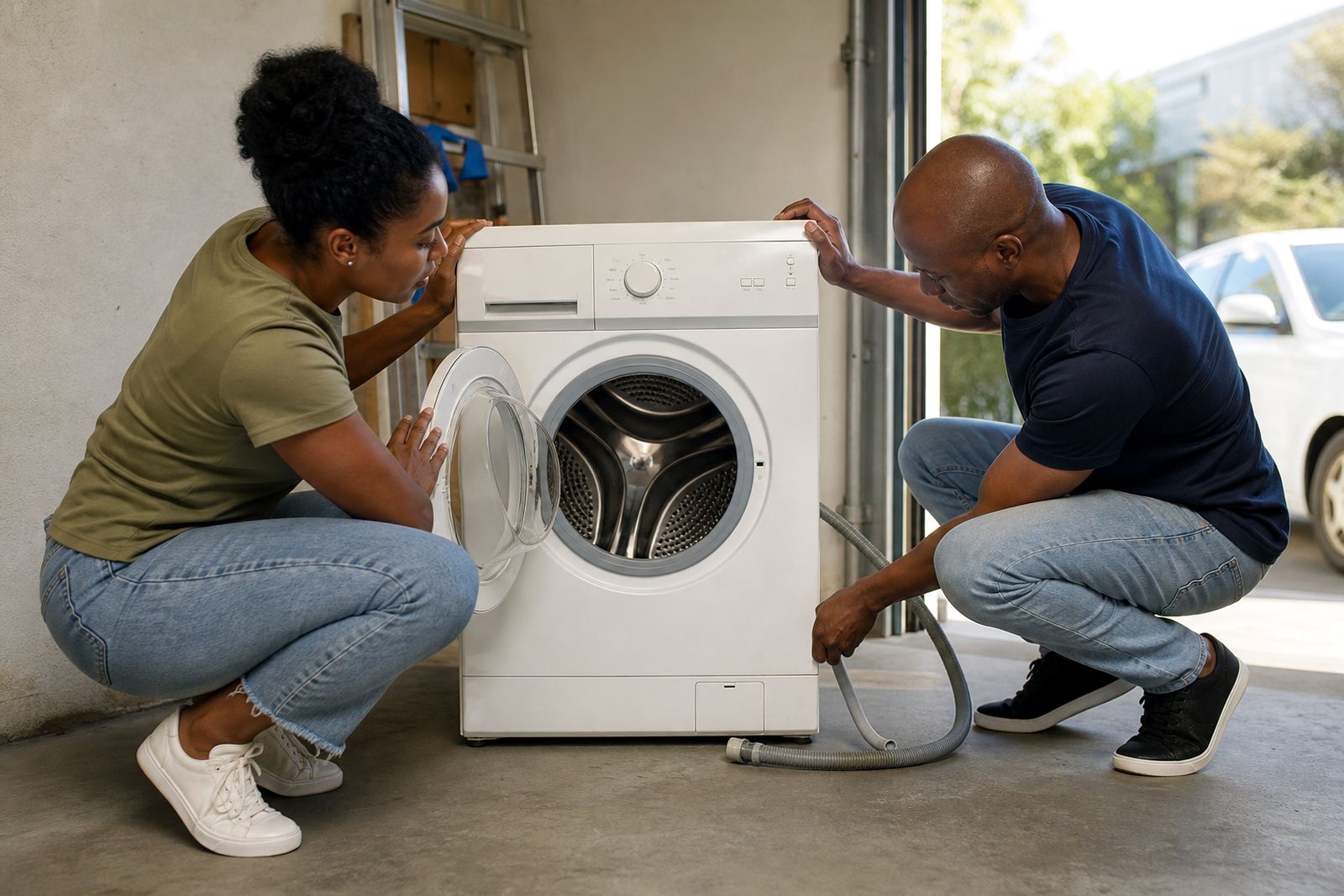
Common options include single-item sales, multiple-item orders and staged release where part of the payment is linked to delivery and the balance is tied to installation or final inspection. For example, a buyer may want funds held until a washing machine is delivered, then released only after the tap connection, drain hose and spin cycle have been checked. If a seller is providing a used appliance, it is worth recording whether shelves, drip trays, racks, seals or power cords are included.
- Small appliances: kettles, microwaves, toasters and coffee machines
- Medium units: microwaves, air fryers and compact fridges
- Large units: fridges, freezers, washing machines and dishwashers
- Built-in items: ovens, hobs and extractor units where installation is part of the deal
Documents and account setup
For appliance trades, the handover is often not complete the moment the item arrives. That is why appliance escrow is useful when delivery and installation form part of the sale.
In coastal areas like Cape Town and Gqeberha, buyers may also want to check for corrosion on metal surfaces and electrical points, since moisture can cause extra wear over time.
If a fridge or freezer has been stored unplugged or delivered during an outage, the buyer may want time to verify that the compressor starts properly and that the appliance reaches temperature again. For built-in units or heavier appliances, check whether stairs, lift access and doorway widths are suitable before collection.
What To Check Before You Pay
The safest appliance purchase starts with a clear list of checks. Agree on the exact model description, the condition, what is included and what must happen before release of funds. If there are marks, dents, a cracked shelf or a missing hose, note it before the transaction begins. This helps avoid scope difference disputes later on.
- Confirm the model, size, colour and type of appliance
- Check whether it is new, used or refurbished
- List all included parts, trays, pipes, cords and fittings
- Agree on who handles delivery, uplift and installation
- Set the inspection window and what counts as acceptance
- Keep clear photos or video of the item before collection
If the appliance is being delivered to a flat, office kitchen or rental property, make sure the buyer has authority to receive it. A delivery turned away by security or body corporate rules can create delays, and it helps to sort that out before the release stage.
How the escrow steps work
Once the buyer has confirmed delivery, normal care still matters. Appliances last longer when filters are cleaned, seals are wiped down, vents are kept clear and servicing is done on time. A fridge should be level on the floor, a washing machine should not rock during spin cycles and ovens should be checked for proper heat control after installation.
For second-hand sales, ask for any service history that is available. A well-kept appliance with a recent service record can be easier to accept than one with no paperwork and uncertain condition. If a problem appears after delivery, keep the original photos, messages and inspection notes handy. That makes it easier to submit evidence and follow the agreed dispute process where needed.
TrustIn supports the payment side of the transaction and helps buyers and sellers work through delivery checks, item condition review, missing accessories, refund process support and release queries. For an escrow deal, write to TrustIn through the contact page form with your item, price and the other party, and it is always wise to check that any provider handling funds is properly registered for the service they offer.
Where Appliance Escrow Fits Best
This service suits trades across South Africa, especially where the buyer and seller are not in the same town or where the appliance needs to be tested before the money moves. It works well in Sandton and the wider Johannesburg area, and also for sales linked to Cape Town, Durban, Pretoria and Gqeberha. It can be useful for private sales, small resellers and people clearing out homes before a move.
Because appliances are bulky and often time sensitive, clear timing matters. If the seller needs collection on a Saturday, or the buyer can only inspect after work, the escrow process gives both sides a fair window to complete the handover. That is often better than trying to rush payment before the item has even been plugged in and checked.
Deal summary
| Service type | Escrow payment handling for appliance sales |
|---|---|
| Payment timing | Funds held until delivery is confirmed and inspection is completed |
| Typical items | Fridges, freezers, washing machines, ovens, dishwashers and similar appliances |
| Coverage areas | Sandton, Johannesburg, Cape Town, Durban, Pretoria, Gqeberha and surrounding areas |
| Use cases | Private sales, online trades, delivery-based handovers and staged release deals |
| Support topics | Delivery Check, Item Condition Review, Missing Accessories, Refund Process and Release Query support |