

How Furniture Sale Escrow Works For Local Trades
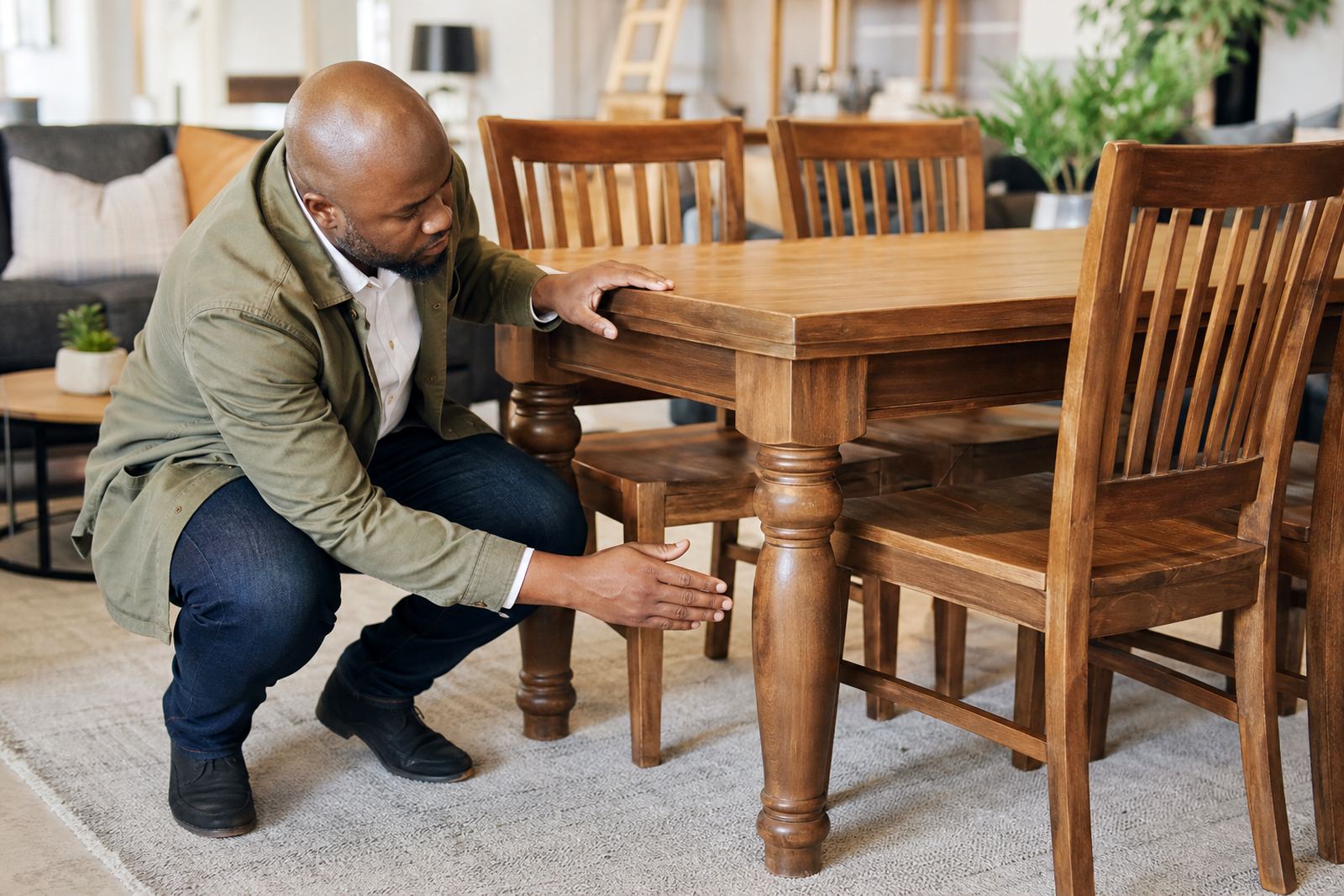
Furniture sale escrow is used when an item is being sold online and both sides want a clear handover process. The buyer pays into the escrow arrangement, the funds are held while the furniture is delivered, inspected and confirmed, then released to the seller once the agreed checks are complete. That is useful for second hand items, custom pieces, and larger orders where a cracked frame, torn upholstery or missing fittings can cause trouble after delivery. It is a practical setup for Johannesburg, Cape Town, Durban, Pretoria and Gqeberha where buyers and sellers may be in different suburbs and the transport cost is not small.
TrustIn supports this kind of transaction across South Africa with a simple process that is easy to follow. It suits online marketplace deals, private sales and service based furniture work such as assembly or modification. If you are comparing providers, always check that any escrow service is properly registered and suitable for the way your transaction is being handled.
- Funds are held until the buyer confirms delivery and condition
- Useful for bulky goods where transport risk is higher
- Works well for private sales, resellers and made to order pieces
- Helps reduce disputes about damage, missing parts or late delivery
When Furniture Escrow Makes The Most Sense
This product is a good fit when the furniture is valuable enough that both sides want a clear process but not so simple that cash on collection is practical. It often suits sofas, beds, dining tables, chairs, wardrobes, cabinets, reception furniture and home office sets. It also suits items sold with extra fittings, loose shelves or removable legs, where the buyer needs to check that everything has arrived before any money changes hands.
It is especially useful for cross city deals, weekend delivery runs, and transactions where the seller is not able to meet in person. In Sandton and Randburg it may be a local drop off. In Cape Town or Durban it may involve a courier or movers service. Either way, the same basic check applies: was the correct item delivered, is it in the expected condition, and are all agreed parts present?
- Second hand furniture sold on marketplace listings
- Custom made pieces with a final inspection after delivery
- Business furniture bought by small firms and home offices
- Items where assembly, packaging or accessories must be checked
Sizes, Order Types And What To Confirm Before Payment Release
Furniture escrow is not about a physical size in the way a cupboard or table has dimensions, but the order details must still be specific. Record the item type, measurements, colour, material, condition notes and any included extras. For larger pieces, note whether the seller has disassembled the item for transport, and whether reassembly is part of the deal. A clear record helps with delivery check support, item condition review and missing accessories help if something does not match what was agreed.
Before release, buyers should confirm the visible condition, photograph any marks, and check the item against the listing or order note. If the item is damaged, the wrong size, or incomplete, the issue should be raised promptly while the inspection window is still open. Sellers should also keep proof of what was packed, handed over and loaded, especially where a courier or mover is involved and there are multiple touch points.
- Confirm dimensions, colour, upholstery or finish
- Check whether assembly is included or excluded
- List all shelves, legs, bolts, cushions and accessories
- Agree on the inspection period before payment is released
Getting a deal started
Electrical recliners, adjustable beds, built in charging points, heated seating, or furniture with integrated lighting may need access to a safe power point. If the item includes any electrical feature, check the plug type, cable length and whether the unit must be tested after delivery.
For standard furniture, access matters more than power. Measure stairwells, lifts, entrances and passage widths before collection day. A sofa that fits the lounge may still not fit through a narrow flat entrance in Pretoria central or a townhouse stairwell in Durban. Delivery issues are much easier to resolve when the buyer already knows how the item will move into the property.
- Measure doorways, stairwells and lift access before delivery
- Check for plug points if the item has any electrical feature
- Confirm who is responsible for assembly and placement
How the escrow steps work
Furniture care depends on the material and how the item is used after delivery. Solid wood may need dusting and occasional treatment to prevent drying out in hot inland weather, while upholstered items need regular vacuuming and prompt attention to spills. In coastal areas like Cape Town, Durban and Gqeberha, humidity can affect timber, metal fittings and leather finishes, so it helps to keep furniture away from damp walls and direct sea air where possible. In Johannesburg and Pretoria, dry air and dust can build up quickly, so covers and regular cleaning matter.
If the sale includes a warranty from the seller or maker, keep the care instructions together with the delivery photos and order note. If a fault appears after handover, the buyer can use the evidence to show whether it is a delivery issue, a manufacturing issue or normal wear. TrustIn can support evidence submission help, refund process support and release query support where the transaction terms call for it.
- Dust and clean according to the material type
- Keep cushions dry and rotate them where needed
- Avoid overloading shelves and drawer runners
- Store paperwork, photos and delivery notes together
What To Check When Ordering Through Escrow
Before paying, buyers should make sure the listing matches the actual item and that the seller has described any wear clearly. Ask for accurate measurements, close photos and a full list of included parts. If the furniture is being custom made, confirm the expected finish, colour, lead time and delivery method. If the deal is urgent, note the milestone date and the inspection period so that there is no confusion when the item arrives.
Sellers should check that the buyer understands the delivery area, access conditions and any packaging requirements. They should also keep clear records of the item handed over, the courier booking if used, and any signs of damage at collection. That makes dispute resolution much simpler if there is a problem later. If a provider cannot explain how funds are held, when release happens, or what happens during a dispute, it is best to ask for clarity before proceeding.
- Check item photos, measurements and condition notes
- Confirm delivery suburb, access and collection method
- Agree on inspection time and release trigger
- Use a provider that is properly registered and transparent about the process
Deal summary
| Payment hold | Funds are held until delivery and condition are confirmed |
|---|---|
| Common item types | Sofas, beds, tables, chairs, cupboards and office furniture |
| Coverage area | Johannesburg, Cape Town, Durban, Pretoria and Gqeberha |
| Support areas | Sandton, Midrand, Randburg and surrounding business districts |
| Support topics | Delivery check, condition review, missing accessories, refunds and release queries |
| Best fit | Online marketplace furniture trades where inspection is needed before release |