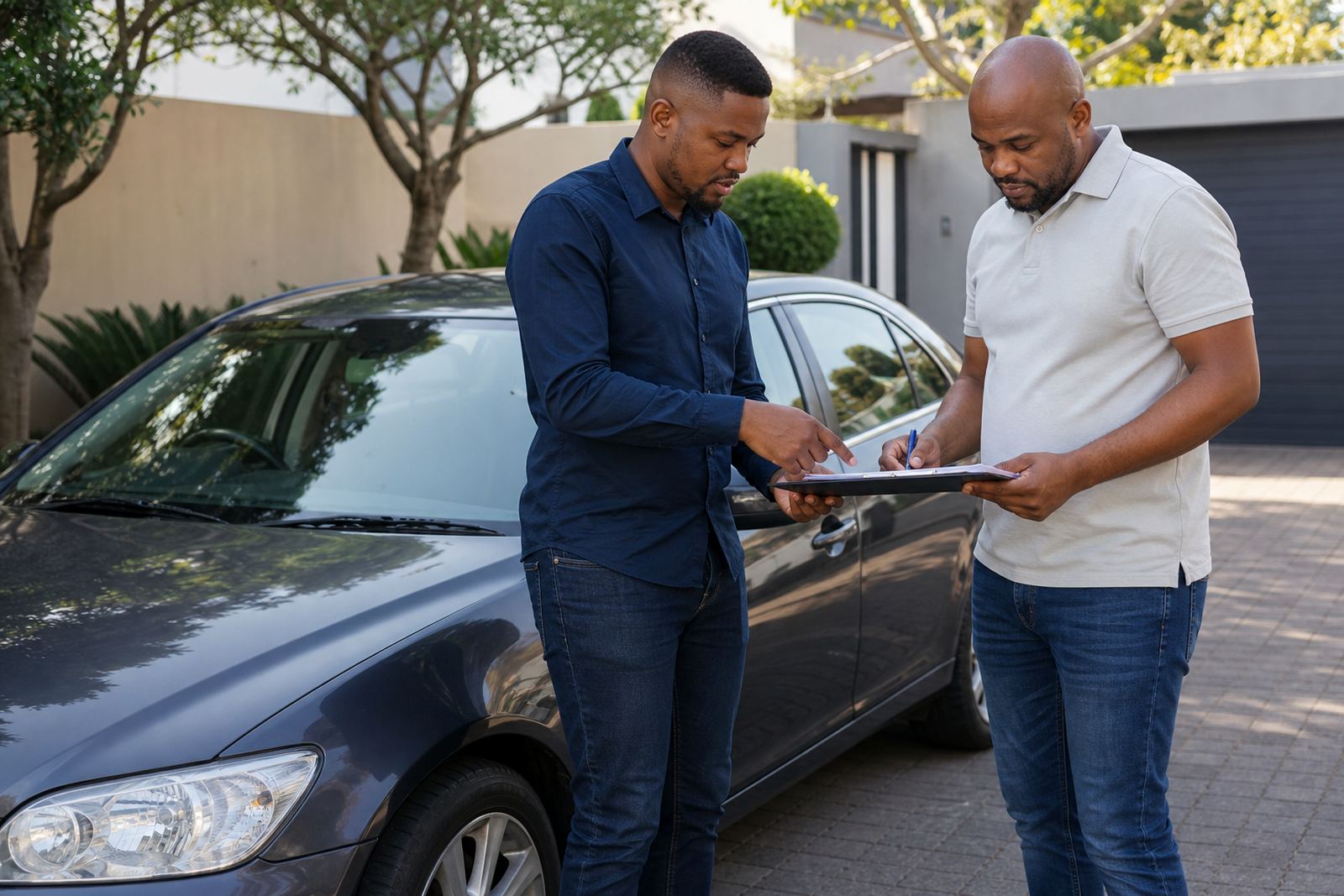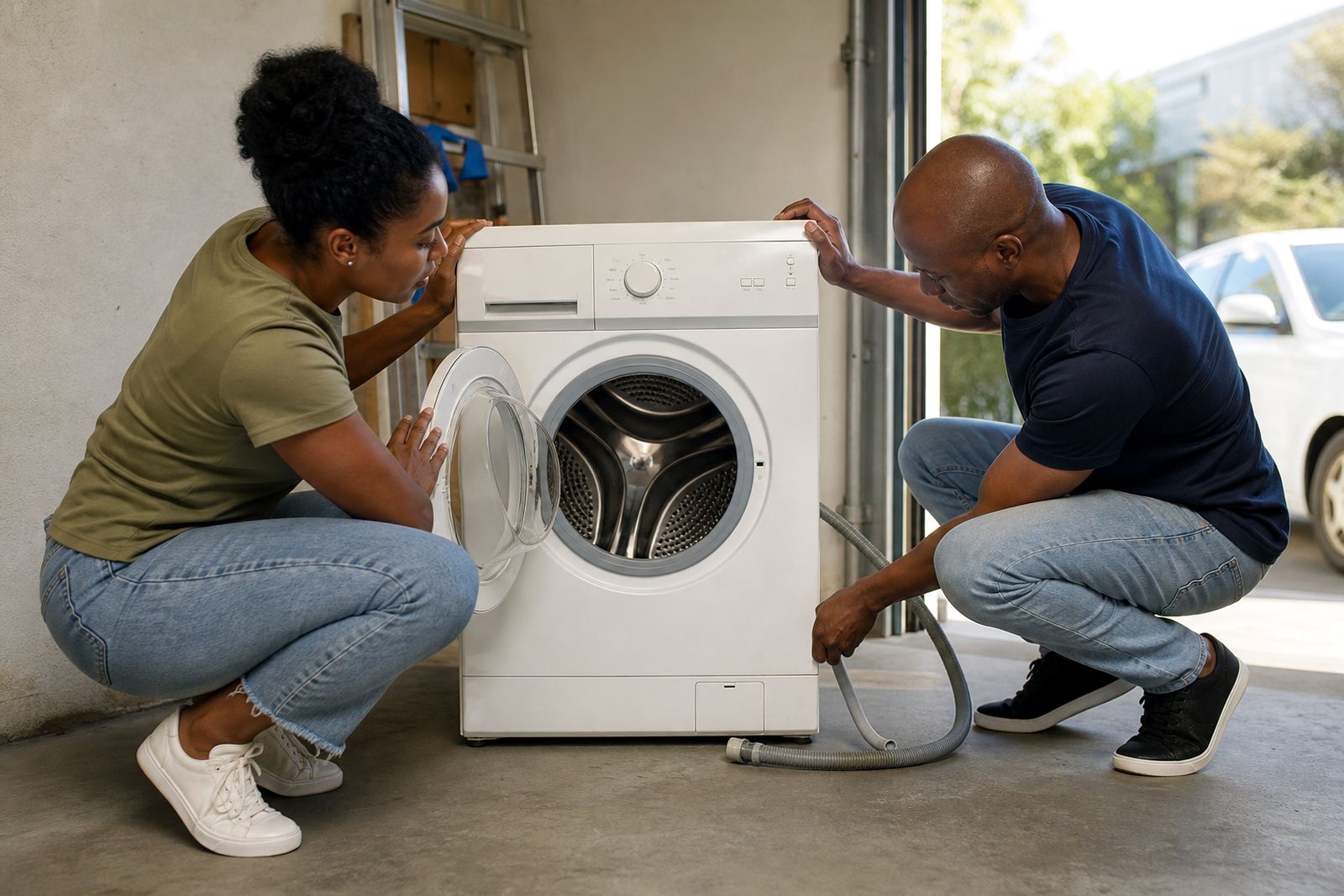

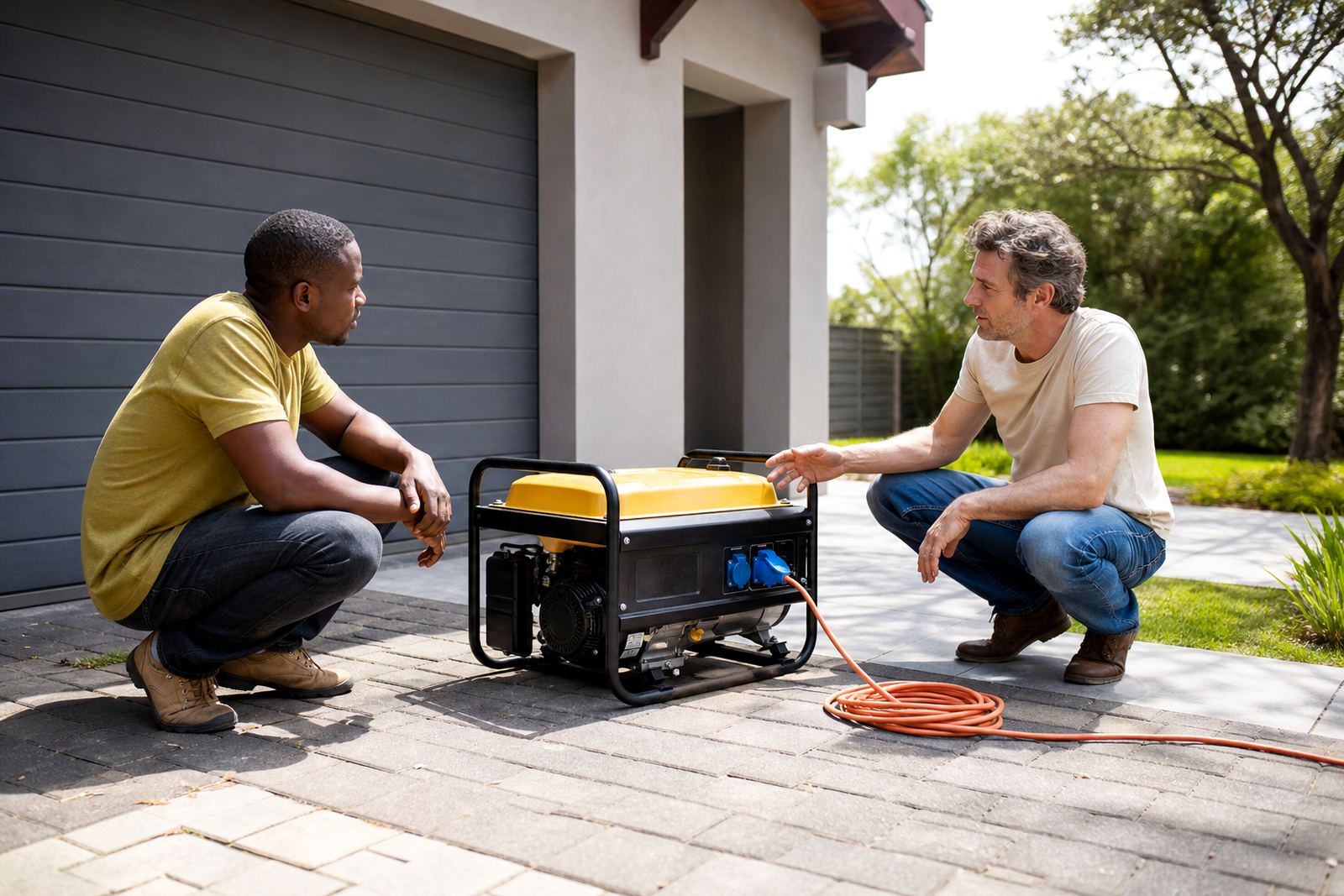
How Generator Sale Escrow Works
Generator sale escrow is a payment arrangement where the buyer pays into a holding account while the seller prepares the unit, arranges handover, or completes agreed testing. The funds stay pending until both sides confirm the conditions in the sale are met, then the money is released. That gives the buyer a clear check point and the seller some payment comfort once the generator has been delivered as agreed.
For used generators, this is especially useful where there may be questions about hours run, service history, fuel system condition, starter battery life or whether all accessories are included. It also helps when the sale includes delivery to Sandton, Midrand, Randburg, Pretoria, Johannesburg CBD, Cape Town, Durban or Gqeberha, because transport and inspection can happen before release. Always check that any provider you use is properly registered and able to operate lawfully in South Africa.
Generator Sizes and Options Commonly Sold
Generator sales in South Africa usually range from small portable units for short backup periods to larger standby sets for homes, offices, workshops and site use. The right choice depends on the loads you want to run, whether you need single phase or three phase supply, and how often the unit will be used. For escrow purposes, the important point is that the exact model, rating and condition are written down before payment is held.
- Portable petrol units for light backup, camping, mobile trading and small tools
- Small diesel units for longer run times and more regular use
- Inverter style units for sensitive electronics and quieter operation
- Open frame sets for workshop, farm and construction use
- Enclosed standby sets for lower noise and outdoor positioning
- Single phase and three phase options for different site requirements
A buyer in Johannesburg may only need a 2 kVA to 5 kVA set for essential loads, while a business in Cape Town or Durban may need something larger for fridges, pumps or office equipment. The escrow agreement should match the exact output size, not a rough estimate, because size affects price, installation and what can be tested on delivery.
Where This Payment Setup Suits Best
This kind of payment setup suits private sales, dealer to customer sales, and business purchases where the buyer wants proof that the generator is ready before money is released. It also helps when the unit is being sold across towns, for example from Pretoria to Gqeberha or from Randburg to Durban, where the buyer cannot inspect everything in person before collection.
In coastal areas like Cape Town and Durban, buyers often want to know more about corrosion, enclosure condition and whether the unit has been stored correctly in humid air.
- Second-hand generator sales between private parties
- Supplies sold with delivery and inspection on arrival
- Transactions where accessories or cabling are included
- Sales that depend on a test run before acceptance
- Deals where the buyer wants an agreed release point in writing
How the escrow steps work
Before any generator purchase is finalised, the buyer should check where the unit will sit, how it will be powered and what connection method will be used. Petrol units need safe fuel storage and good ventilation. Diesel units need clean fuel, a secure tank arrangement and regular checks for water contamination. Never run a generator in a closed room or enclosed garage, because exhaust gases are dangerous.
Installation can also affect whether the transaction is accepted. If the sale includes changeover equipment, cabling, battery charging, earthing or a fixed mounting point, those items should be listed separately.
The release, step by step
A generator that sits unused for months can become harder to start, especially in coastal humidity or dusty inland conditions. Basic care includes running the unit at sensible intervals, checking oil, cleaning air filters, inspecting fuel lines and keeping the battery charged. For diesel units, it helps to monitor fuel freshness and drain water where needed. For petrol units, stale fuel can cause starting trouble and rough running.
Buyers should ask for any available service record, last run date, and whether the generator has had recent repairs. If the seller says the alternator, recoil start, battery, inverter module or control panel has been replaced, that should be noted before payment is released. Escrow is useful here because the release can be tied to the agreed inspection period, not just the fact that the unit was dropped off.
Before you book an escrow deal
The safest approach is to confirm the exact generator details before funds are held. This avoids confusion over capacity, accessories and condition once the unit arrives. If the sale is across Johannesburg, Pretoria, Cape Town, Durban or Gqeberha, it helps to have the same checklist on both sides so everyone knows what counts as delivered.
- Rated output in kVA or kW
- Fuel type, tank size and expected run time
- Single phase or three phase supply
- Start method, manual or electric
- Noise level and enclosure type
- Included items such as cables, wheels, battery, hoses or changeover gear
- Service history, hours run and any known faults
- Delivery address, offloading needs and test period terms
When the details are clear, escrow can hold the payment until delivery confirmation or an agreed test run has been completed. That gives both buyer and seller a cleaner process and fewer arguments about what was supposed to be included. TrustIn supports buyers and sellers through enquiry form contact only, with support available for delivery checks, item condition review, missing accessories help, wrong item support, incomplete work review, scope difference help, milestone delay support, inspection period guidance, evidence submission help, refund process support, release queries and courier issue help across Sandton, Johannesburg and surrounding areas.
Deal summary
| Product type | Escrow payment arrangement for generator sales |
|---|---|
| Use case | Funds held until delivery or testing confirmation |
| Typical generator sizes | Portable 2 kVA to 5 kVA, larger home and business sets, three phase units |
| Suitable locations | Sandton, Johannesburg, Pretoria, Cape Town, Durban, Gqeberha, Midrand, Randburg |
| Common checks | Output rating, service history, accessories, delivery condition, agreed test period |