
Before funds move
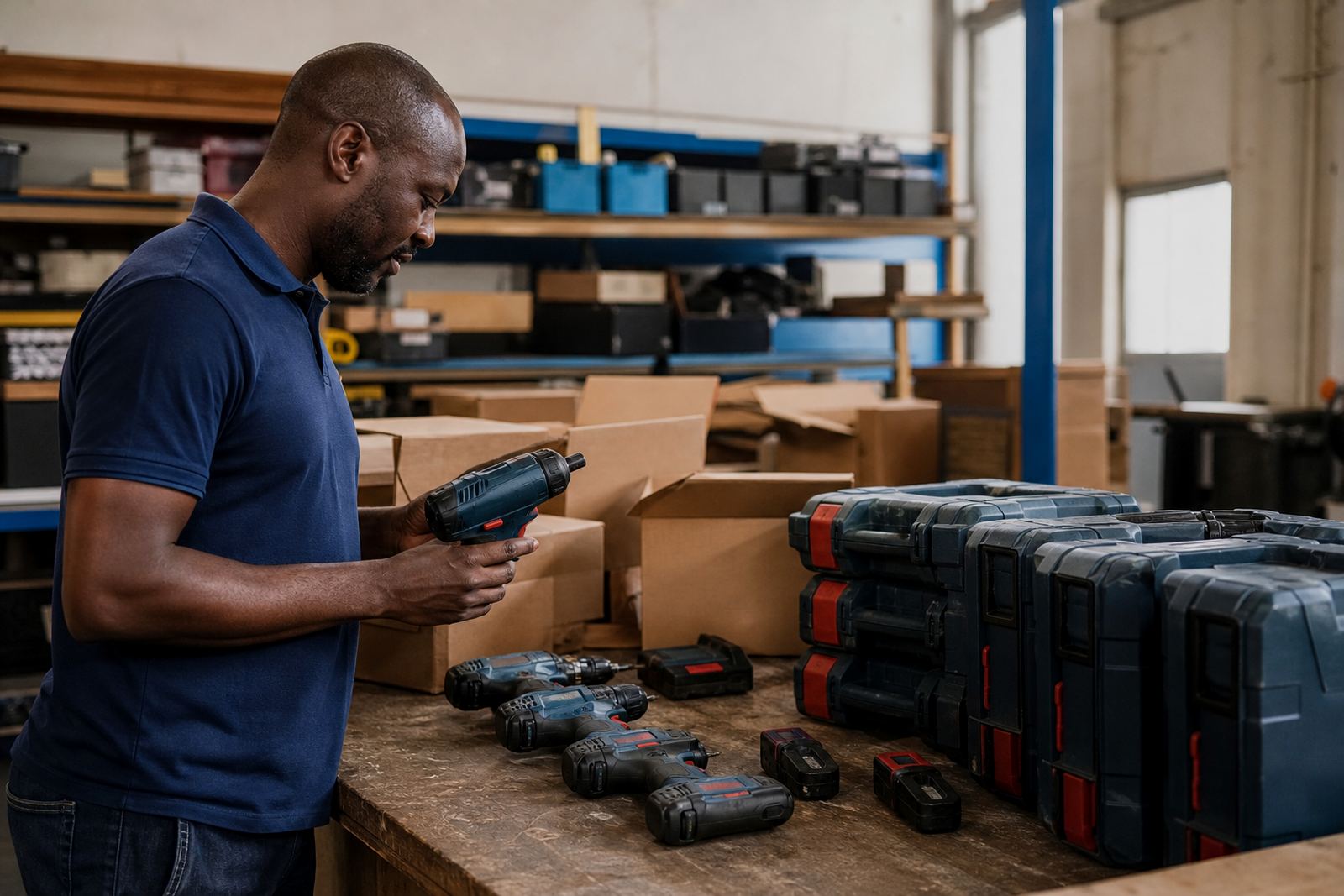
In a typical escrow payment flow, the buyer pays into the escrow arrangement first, then the seller sends the tools or equipment as agreed. Once the parcel is received and the contents match the order, the buyer confirms delivery and the funds are released. If there is an issue, such as a missing battery, wrong drill type, or a damaged case, the matter can be reviewed before release.
This is useful for online trades where the parties do not know each other and want a clear process for payment security. It works for new and used tools, boxed sets, individual machines, spares, and mixed lots. For any provider, check that it is properly registered and suitable for your transaction needs.
- Buyer pays before dispatch
- Seller sends the agreed item set
- Buyer checks receipt, condition, and contents
- Funds release only after confirmation
When This Service Suits Tool Buyers and Sellers
Tool Trade Escrow suits online sales where value, condition, or completeness matters. It can also help with freelance repair work, on-site kits, and small workshop purchases where payment needs to wait until the work or item has been properly checked.
It is a practical fit for Johannesburg, Sandton, Midrand, Randburg, Pretoria, Cape Town, Durban, and Gqeberha, where buyers may be arranging courier collection or branch handover. For coastal areas, it is worth checking whether the item was stored well against humidity and salt air, especially for tools with metal parts or rechargeable batteries.
- Best for higher value or specialised tools
- Useful when extras and accessories must be counted
- Helps with used equipment bought remotely
- Works for local and interprovincial delivery
Sizes, Order Types, and Common Tool Trade Setups
Tool trades can range from a single cordless driver to a full workshop bundle. Escrow can suit small orders and larger mixed orders, as long as the buyer and seller agree the exact contents in advance. Common setups include a single item, a paired tool and battery kit, a job lot of hand tools, or a service sale where the equipment is being delivered after testing and cleaning.
When ordering, note the make-up of the set in plain terms. For example, list the machine type, battery count, charger, carry case, bits, discs, blades, hose fittings, and any spare parts. If the item is second-hand, note wear, cosmetic marks, and whether the item has been tested. That reduces confusion later and gives the inspection stage something clear to measure against. A simple description is often better than a vague one.
- Single tool orders
- Tool and accessory kits
- Mixed workshop lots
- Used equipment with condition notes
Getting a deal started
Cordless tools should be checked for battery voltage, charger type, and whether the batteries hold charge. Mains-powered tools need the correct plug, voltage, and cable condition. If the item uses compressed air, a generator, or fuel, check the setup before the handover so the buyer knows what is needed.
For workshop use, it helps to confirm charging time, runtime, and whether replacement batteries are easy to source. For petrol or diesel equipment, check the fuel type, tank size, and any starting procedure so there is no delay after delivery.
- Battery voltage and charger match
- Cable length and plug type
- Fuel or air requirements for powered equipment
- Runtime, recharge time, and starting method
Checking the Item Before Funds Are Released
Before release, the buyer should inspect the parcel or collection against the order details. This can include checking the outer box, serial numbers if supplied, visible wear, power-up function, and whether the listed accessories are present. If the trade includes blades, drill bits, cutting discs, or special fittings, count them one by one and compare them with the agreement. For sealed items, the buyer should confirm that seals are intact and that the packaging matches the description.
Keep clear evidence if a problem comes up. Photos of the parcel, the label, the contents, and any damage are useful. If the issue is about a missing item or wrong item, make sure the exact difference is written down before any release decision is made. A careful check at this stage saves time later and keeps the process straight.
- Confirm the item matches the agreed description
- Check accessories, spares, and consumables
- Take photos of damage or shortages
- Raise issues before approving release
Opening the deal file
Good care starts before the sale. Ask whether the tool has been serviced, cleaned, tested, or repaired recently, and whether any parts have been replaced. For used items, it is worth checking if the motor runs smoothly, if switches respond properly, and whether there is unusual noise or vibration. Consumable items such as blades, pads, and batteries may need replacement sooner than the main tool body.
After purchase, store the tool in a dry place, especially along the coast where moisture can affect metal parts and connectors. Keep batteries partly charged if they will not be used for a while, and avoid leaving chargers in damp garages or unventilated cupboards. If the tool is petrol powered, drain fuel only where appropriate and follow the item instructions. Simple servicing habits help the equipment last longer and reduce avoidable disputes later.
- Ask for service history where available
- Check runtime, noise, vibration, and switch response
- Store in a dry, cool place
- Keep batteries and chargers in good condition
Deal summary
| Service type | Escrow payment handling for tool and equipment trades |
|---|---|
| Settlement trigger | Funds released after buyer confirms delivery and agreed contents |
| Suitable items | Power tools, hand tools, accessories, spares, and mixed workshop lots |
| Common checks | Condition, completeness, serial details, and working order where applicable |
| Service area | Sandton, Johannesburg, Cape Town, Durban, Pretoria, Gqeberha, Midrand, Randburg |
| Support channels | Enquiry form on the contact page |