
A Bryanston Buyer Needed Clear Payment Control
The client was a private art buyer in Bryanston, Johannesburg, looking to purchase a high-value piece from a seller in another part of South Africa. The brief was simple on paper: keep the money protected until the work arrived in good order, then release it once the buyer had checked the item. In practice, that meant careful handling of timing, evidence, courier tracking, and communication between both parties.
The buyer was not looking for a complicated process. They wanted a straightforward way to pay without handing over full funds before delivery, and the seller wanted reassurance that payment had already been committed. That is the basic value of escrow. Funds are held by the service, delivery is completed, the item is checked, and then release happens if the transaction is accepted.
- Client type: private art buyer
- Town: Bryanston, Johannesburg
- Transaction type: delivered art sale
- Core need: hold funds until delivery and condition were confirmed
Risks on the deal and how they were covered
Art sales can get awkward quickly if details are not agreed before payment. The buyer wanted protection in case the item was damaged, not as described, or missing anything that should have been included. The seller wanted a fair process too, with no open-ended waiting or unclear reasons for delay. We kept the focus on the facts: what was being sold, what should arrive, who would sign off, and how issues would be reported.
There were a few practical constraints. The delivery had to work across provinces, the inspection window had to be clear, and the item needed to be checked for condition, frame integrity, and any missing accessories or paperwork.
- Delivery had to be trackable from dispatch to receipt
- The inspection period needed to be short but fair
- Any damage or mismatch had to be documented with photos
- Both sides needed one clear point of contact
How We Managed the Escrow Process
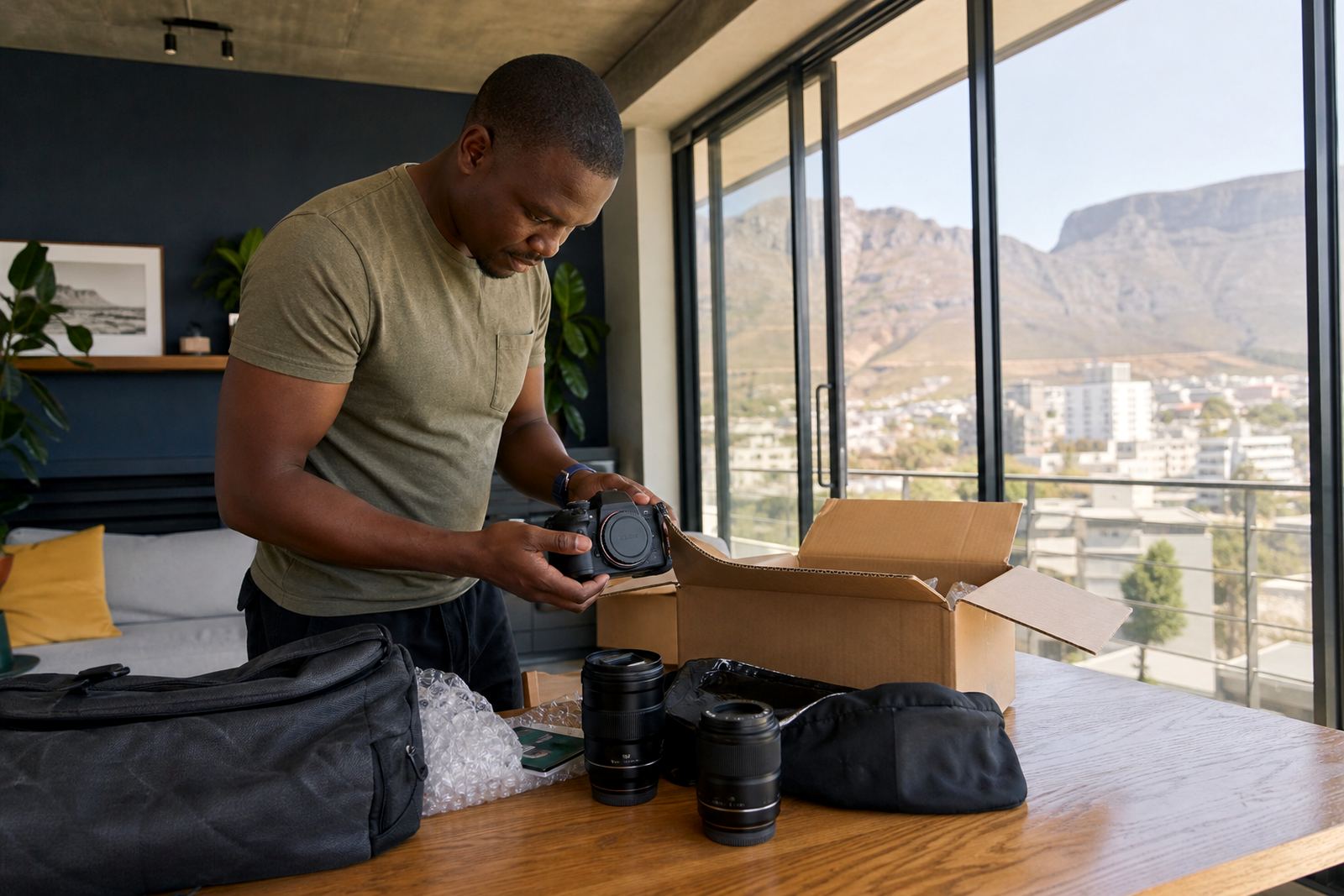
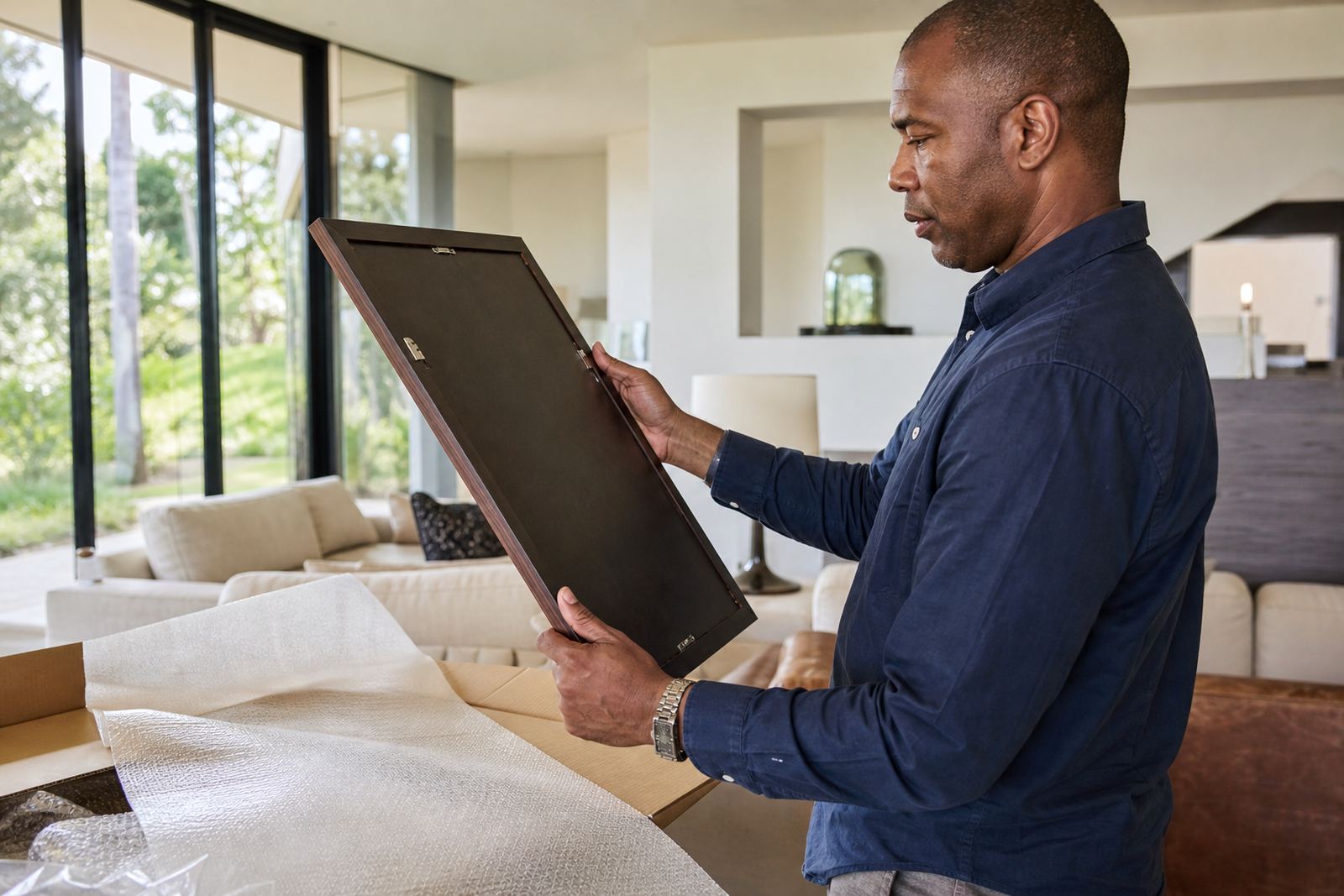
We set up the transaction so the buyer could pay into escrow first, while the seller prepared the item for dispatch. Once courier collection was confirmed, we kept both sides updated on status changes and what to do on delivery. The buyer was guided through the receiving step, including how to note any visible damage, check the condition against the agreed description, and record evidence before release.
Our support covered delivery check guidance, item condition review, missing accessories help, and release query support. When the parcel arrived, the buyer had enough information to inspect the piece properly. The point was not to rush the decision. It was to make sure the process was documented well enough that both sides could move forward without arguments later on.
- Funds held until delivery was acknowledged
- Condition checked against the sale description
- Evidence submitted where needed
- Release only followed confirmation from the buyer
Timeline From Deposit to Release
The timeline was long enough to allow for transit and a proper look over the item, but short enough to keep the seller from waiting around. That balance matters in online art sales because a delay of a few days can quickly become a stress point if no one knows what stage the deal is at. We kept the communication plain and direct, which helped both sides stay calm.
- Week 1: agreement, escrow deposit, dispatch planning
- Week 2: courier transit and tracking updates
- Week 3: receipt, inspection, and release
Result for Buyer and Seller
The buyer received the artwork and was able to inspect it before the money moved on. The seller had the reassurance that payment had already been committed and was not left chasing after delivery. The process reduced the usual pressure points around condition disputes, delayed handovers, and uncertainty over when release would happen.
The result was a clean transaction with no need for a prolonged dispute process. That does not happen by luck. It comes from clear terms, clear evidence, and a support team that handles the small things early. If a provider cannot explain its process plainly, or cannot show that it is properly registered where required, buyers and sellers should not move ahead.
- Buyer got a safe inspection window
- Seller had payment security while in transit
- Both sides had a clear record of the transaction
What We Would Keep From Another Art Sale
If we handled this again, we would use the same structure: agree the item details up front, define the inspection period clearly, and make sure the delivery evidence is easy to follow. For art, that means more attention to condition notes than many other goods. A frame chip, mark on the canvas, or missing certificate can change the whole conversation, so it helps to spell out exactly what is being checked.
For local buyers in Sandton, Bryanston, Randburg, Midrand, Pretoria, Cape Town, Durban, and Gqeberha, the same approach works well as long as the parties stay realistic about transit times and possible delays. For an escrow deal, write to TrustIn through the contact page form with your item, price and the other party, and we keep the process practical from first contact to release.
- Write the item condition into the agreement before payment
- Use evidence at delivery, not after the fact
- Keep the release trigger simple and visible
Deal summary
| Project | Bryanston Art Sale |
|---|---|
| Location | Bryanston, Johannesburg |
| Service | Escrow payment support for a private art sale |
| Timeline | 3 weeks from deposit to release |
| Core checks | Delivery, condition, missing accessories, release confirmation |
| Base | Sandton, Johannesburg |