

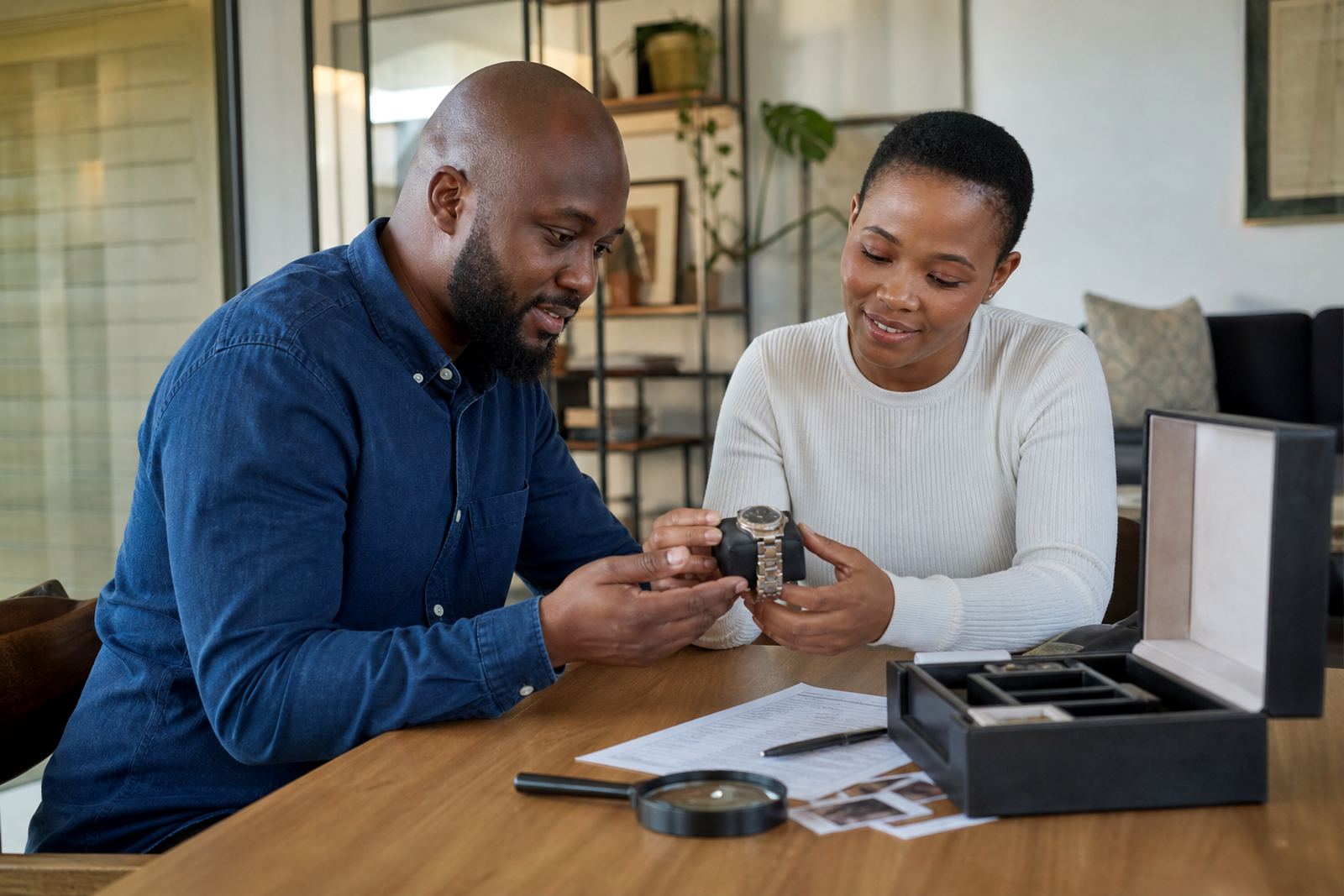
Why authenticity checks matter before release
Collectibles often carry value in the details. A signed card, vintage watch, rare coin, comic book or limited print can look right at first glance, yet small differences in condition, packaging, serial marks or paperwork can change the deal completely. In an escrow payment, that is why the release point should never be vague. Both sides need to know what is being checked, who checks it, and what happens if something does not match.
Escrow works best when the buyer's money is held until the item is delivered and the agreed checks are complete. Once the buyer confirms delivery and the item matches the pre-agreed terms, the funds are released. If there is a question about authenticity, the matter should stay open until there is enough evidence to settle it. That simple structure gives both sides room to trade with more confidence, especially when the seller is in Durban and the buyer is in Pretoria or Cape Town.
Set the rules before anyone ships anything
The best time to deal with authenticity questions is before the parcel leaves the seller. Put the agreed checks in writing and keep them specific. A general statement like 'must be genuine' is too broad. You need details that a normal person can follow and evidence that can be reviewed if there is a dispute.
Useful pre-agreed checks can include:
- Clear photos of front, back and close-up markings before dispatch
- Condition notes for scratches, chips, stains or missing parts
- Proof of serial numbers, edition numbers or maker's marks where relevant
- Original packaging, certificates, receipts or provenance documents if available
- An inspection period after delivery, with a fixed number of days
If a coin should arrive in a capsule or a signed item is meant to include a certificate, say so upfront. If a comic must have a specific grade or no restoration, that should also be clear. The more exact the agreement, the easier it is to seperate a genuine authenticity issue from a simple change of mind.
What buyers should inspect on arrival
Buyers should open the parcel as soon as practical after delivery and record the unpacking process. A short video can help show the packaging condition and whether any visible damage happened in transit. This is especially useful when a courier delay, wet weather in Gqeberha, or rough handling on a local route has affected the parcel.
Focus on the item against the original agreement, not on expectations built after the fact. If the listing said a watch had an original dial, check the dial. If a trading card was sold as ungraded and near mint, inspect the corners, edges and surface for the condition that was promised. If something feels off, raise it before the release window closes.
- Compare the item to the photos and written description
- Check accessories, inserts and certificates one by one
- Look for tampering, replaced parts or missing packaging
- Keep the parcel and all packing materials until the matter is settled
How to raise a concern without turning it into a fight
When a buyer sees a problem, the best approach is calm and factual. Send clear photos, short notes and any supporting documents in one place. Do not send a stream of mixed messages. State what is different, what the original agreement said, and what outcome is being requested. That makes the review process faster and easier for everyone involved.
Sellers should respond in the same way. If there is a known feature that was disclosed up front, point to the exact message or listing note. If the item was packed correctly and the issue may be courier-related, provide packing photos and dispatch records. Good records matter a lot in online trade because memory gets fuzzy once the parcel has moved through Sandton, Midrand or Randburg and onto the national network.
When both sides give evidence early, an escrow release query can be handled more fairly. The aim is not to argue forever. The aim is to decide whether the item met the agreed standard or whether a refund process, partial remedy, or further review is needed.
Evidence that helps in collectible disputes
For collectibles, proof is not only about one photo. A clear file of evidence helps show the item from the moment it was packed to the moment it was opened. That reduces the chance of confusion over what was delivered and whether the complaint is about authenticity, condition, or something missing from the parcel.
Helpful evidence can include:
- Original listing or quotation details
- Pre-dispatch photos from several angles
- Courier waybill or delivery reference
- Unboxing video or opening photos
- Messages about any defects, missing accessories or special promises
Capture any serial number, signature, batch mark or maker's stamp clearly. For sealed items, show the seal before opening. For items with accompanying documentation, photograph those papers next to the item. In South African trade, a clean paper trail can save time whether the matter is a missing accessory or a bigger question about authenticity.
A Sandton example with a Cape Town buyer
Consider a seller in Sandton listing a limited-edition art print for a buyer in Cape Town. The buyer wants to know that the print is original, untrimmed and includes the certificate that was mentioned in the listing. Before payment release, both sides agree that the buyer will inspect the print for print quality, edition number, signature placement and the certificate details within two business days of delivery.
The parcel arrives, but the buyer notices that the certificate is missing. The seller checks the packing photos and sees that the document was included in the parcel at dispatch. At that point, the issue is not just whether the print is genuine. It is also whether the agreed deliverables were complete. With evidence on both sides, the matter can be reviewed against the pre-agreed terms instead of guessed at after the fact. That is the real value of escrow for collectors, because it gives both people a fair process when the item is valuable and hard to replace.
If the buyer later confirms the item and the paperwork meet the agreement, the funds can be released. If not, the case stays open until the concern is settled through the agreed review steps.
Check the provider and keep the process simple
Any escrow provider should be properly registered where required and able to explain how its process works in plain language. Ask how inspections are handled, how long the review window lasts, what evidence is needed, and how disputes are recorded. If the answers are unclear, that is a warning sign.
At TrustIn, buyers and sellers can raise matters through our contact form, and our team handles support for delivery checks, item condition review, missing accessories, wrong item cases, incomplete work and release queries. For collectibles, the most useful habit is still the simplest one: agree the checks before payment moves, then follow them exactly. That keeps the trade practical, fair and less stressful for everyone involved.