

The first red flag is pressure to move too fast
One of the most common warning signs is pressure. If a seller says another buyer is waiting, or a buyer pushes for an immediate release of funds before delivery is checked, take a step back. Honest traders understand that proper payment handling takes time. In an escrow setup, funds are usually held until the buyer confirms delivery or the agreed inspection period has passed, then released to the seller. That simple pause is there to reduce risk for both sides.
Pressure often shows up in small ways. A listing may be marked as urgent, the price may drop sharply without reason, or the other party may avoid letting you read the full terms. In Johannesburg, where people often arrange same day collections in Sandton, Midrand or Randburg, that rush can make it easy to miss a missing accessory or a damaged item. Slow down and confirm the deal properly before you send or release anything.
Unclear listings and vague product details should make you pause
A listing that gives almost no detail is difficult to trust. If you are buying electronics, parts, machinery, clothing or services, the seller should be able to explain exactly what is included, what condition the item is in, and what happens if there is a problem. Buyers should also be clear about what they expect to receive. If the scope is fuzzy, disputes start later.
- No clear photos from more than one angle
- No serial numbers, measurements or service history where relevant
- Descriptions that change after payment is discussed
- Promises that sound too broad, like perfect condition with no proof
For services, the same principle applies. A freelancer offering design work, repairs or consulting should outline the deliverables, dates and milestones. If the job is described as one thing but delivered as something else, that is a classic red flag.
Payment requests outside the agreed process are risky
Scammers often try to move the transaction away from the agreed method. They may ask for a bank transfer to a personal account, request a split payment to several accounts, or ask for a quick “holding deposit” before any clear terms are set. A proper escrow process keeps the payment trail easier to follow because the funds are held until delivery is confirmed. That gives both sides a fairer process if something goes wrong.
Be extra cautious if the other party refuses a standard process or says there is no need for it. That is especially relevant on high value items, custom work and couriered goods. If you are dealing with a provider, check that they are properly registered for the services they offer and that their process is clear before you commit.
Missing proof of ownership or authority is a serious concern
Buyers should ask who actually owns the item and whether the seller has the right to sell it. Sellers should also check that the buyer is genuine and not trying to use a stolen card, a fake payment proof or a third party account. In South Africa, this matters on everything from smartphones to second hand equipment and business stock.
A seller who cannot explain where the item came from, or who avoids sharing proof of purchase where appropriate, should be treated with caution. The same applies when someone is selling on behalf of a company but cannot show that they are authorised to do so. If you are buying from Cape Town, Durban, Pretoria or Gqeberha, the same rule applies whether the handover is in person or done through courier. Paper trails matter.
- Ask for proof that matches the item description
- Check whether the seller is allowed to dispose of the goods
- Confirm the buyer name matches the agreed transaction details
- Keep copies of messages, invoices and delivery records
Delivery trouble and condition disputes often start before dispatch
Many problems only become visible when the parcel leaves the seller, but the warning signs often appear earlier. If the packaging is poor, if the courier is not agreed in writing, or if the seller cannot confirm what was sent, disputes are more likely. Coastal humidity in places like Durban or Gqeberha can also affect goods such as paper stock, electronics and metal fittings, so packaging and dispatch conditions should be suitable for the item.
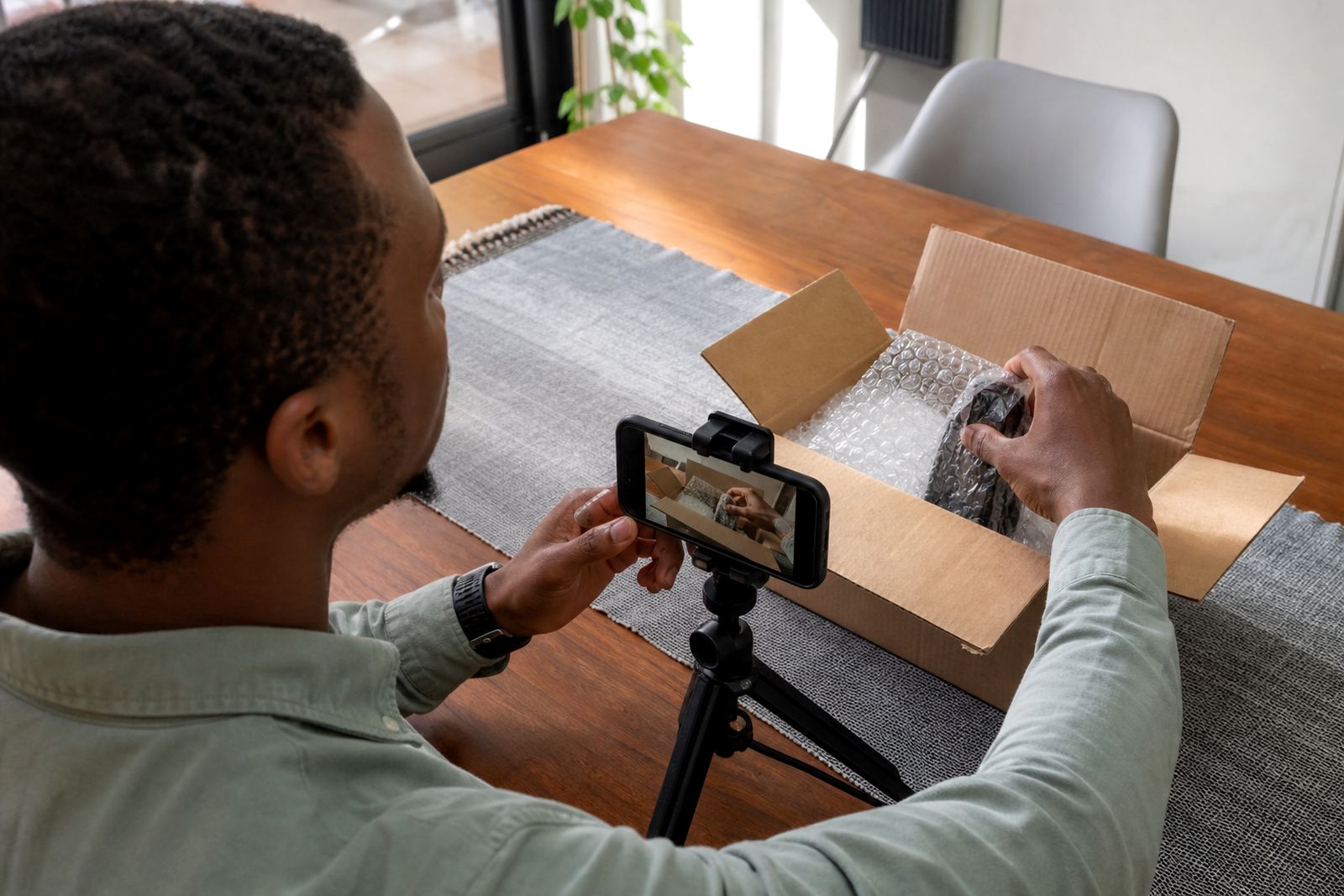
Buyers should inspect the parcel as soon as it arrives and note any damage, missing accessories or obvious differences. Sellers should keep dispatch proof, photos of the packed item and the collection reference. If there is a dispute, these basics can make the difference between a quick resolution and a long back and forth.
A simple Sandton example shows why caution pays
Consider a buyer in Sandton ordering a refurbished laptop from a seller in Pretoria. The seller says the machine is in excellent condition but provides only one blurry photo. The buyer is asked to pay directly before collection and told not to worry about the charger because it can be sorted out later. That combination of vague details, pressure and changing terms should set off alarm bells.
In a better set up, the buyer and seller agree on the exact item, the accessories included, the inspection period and what counts as accepted delivery. Funds are held until the laptop is received and checked. If the charger is missing, the issue can be handled through the agreed process rather than through guesswork or argument. That is the point of careful trading. It is not about being difficult, it is about keeping both sides protected.
If you are unsure, slow the deal down and ask for the full terms in writing. Then decide whether the listing still makes sense.
What to do when something feels off
Trust your instincts, but back them up with facts. Save screenshots, compare the listing with the messages, and make sure you understand the release conditions before any money is moved. If the goods are already in transit, use the agreed inspection period and report issues clearly and promptly. Good record keeping helps at every step.
Common support areas include delivery check support, item condition review, missing accessories help, wrong item support, incomplete work review, scope difference help, milestone delay support, inspection period guidance, evidence submission help, refund process support, release query support and courier issue help. Those steps are most useful when both sides stay calm and keep to the terms they agreed at the start.
- Keep all chat records and payment references
- Photograph goods on arrival before use
- Report problems within the agreed time frame
- Use the formal process rather than public arguments