
Start With the Outer Parcel Before You Rush Inside
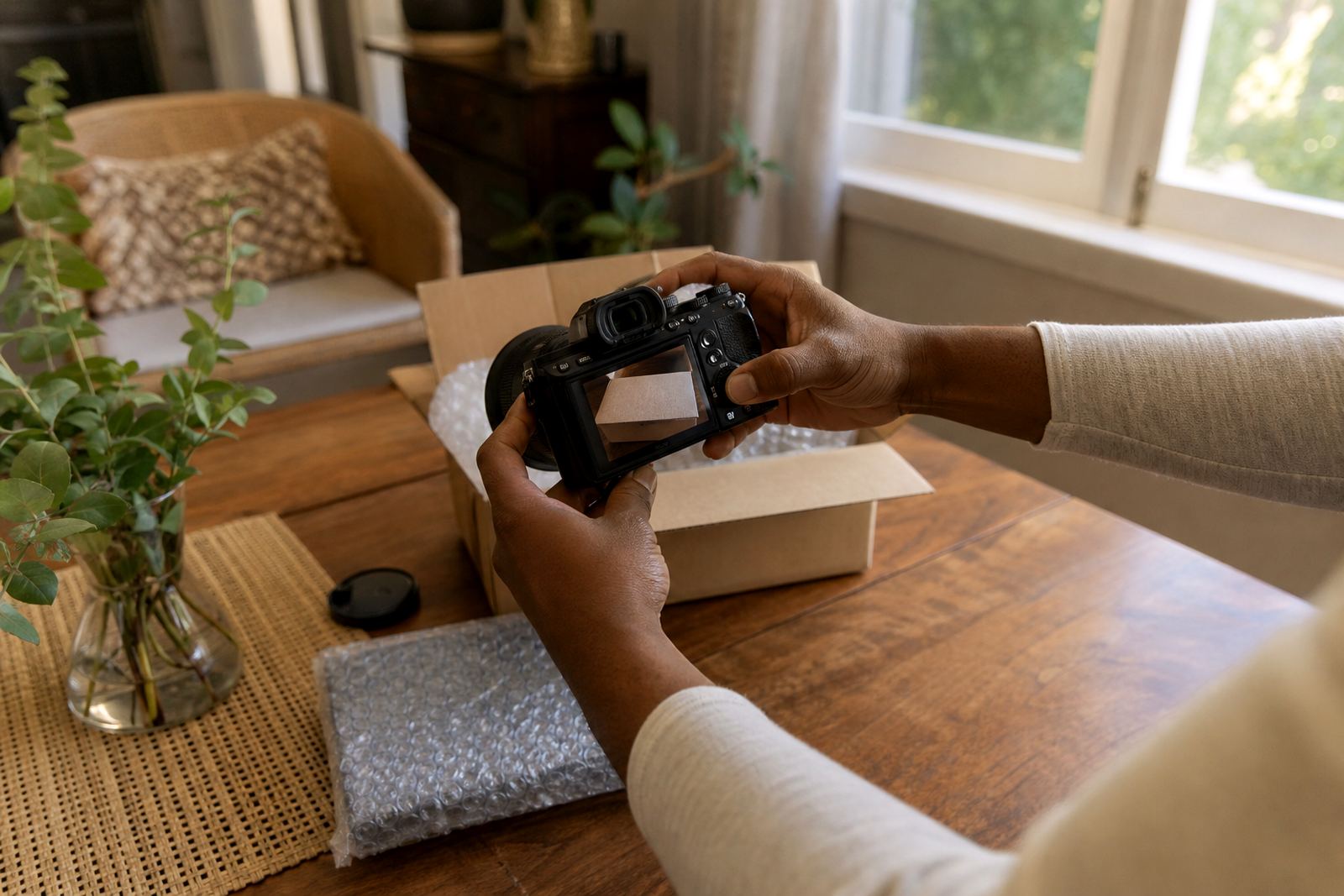
Good unboxing habits begin before the tape is cut. Check the outer box or satchel for dents, tears, wet patches, crushed corners, or signs that it was opened and resealed in transit. If the courier left the parcel at reception in Sandton, or at a flat in Durban where humidity can soften cardboard, take a moment to photograph the package exactly as it arrived.
That first record helps if there is later a question about courier handling or missing contents. It also keeps the process fair for both buyer and seller because the condition of the packaging can matter when a dispute is reviewed.
- Photograph the parcel from all sides before opening it.
- Check the waybill label matches the sender and delivery address.
- Keep any loose tape, broken seals, or damaged wrap.
Use a Simple Check Sequence for Every Item
Once the parcel is open, do not scatter the contents across a table and hope for the best. Lay everything out in one place and compare it against the invoice, order message, or packing list. Count each item, then check sizes, colours, model details, and any included parts such as cables, fittings, chargers, manuals, or mounting screws. A neat sequence makes it easier to spot a short delivery or a wrong item quickly.
If you are in Pretoria and the parcel contains several small pieces, it helps to sort them into piles as you go. That way you can see straight away whether a bracket is missing or whether the seller packed a spare by mistake.
- Count the main item first, then the accessories.
- Check labels, serial numbers, and visible markings where relevant.
- Put packaging aside until you have finished the full check.
Look for Condition Problems, Not Just Missing Pieces
A buyer does not only need to check whether everything is there. The condition of the item matters too. Look for scratches, cracks, pressure marks, stains, loose fittings, and signs of water damage. For electronics, check screen condition, ports, casing, and whether the item powers on. For furniture or equipment, inspect hinges, joins, and corners before you throw away the packaging.
In coastal areas such as Cape Town and Gqeberha, moisture can show up as swelling, rust spots, or damp smells after transit. In a case like that, clear photos taken as soon as possible are useful because they show what was found at delivery time, not a day later after the parcel has been moved around.
Confirm Function Early, But Test Safely
If the item is meant to work straight away, test it as soon as you can. Do not leave it for a week and then expect a dispute process to read the situation the same way. That said, test safely and within the item’s normal use.
For a buyer in Midrand who has received a small office device, a quick function check may include switching it on, checking buttons, and making sure all included parts work together. Keep the test practical, not experimental.
- Test only the functions that are normally expected on delivery.
- Use the item as instructed by the seller or manual.
- Stop once you see a clear fault and record what happened.
Send Clear Evidence If Something Is Wrong
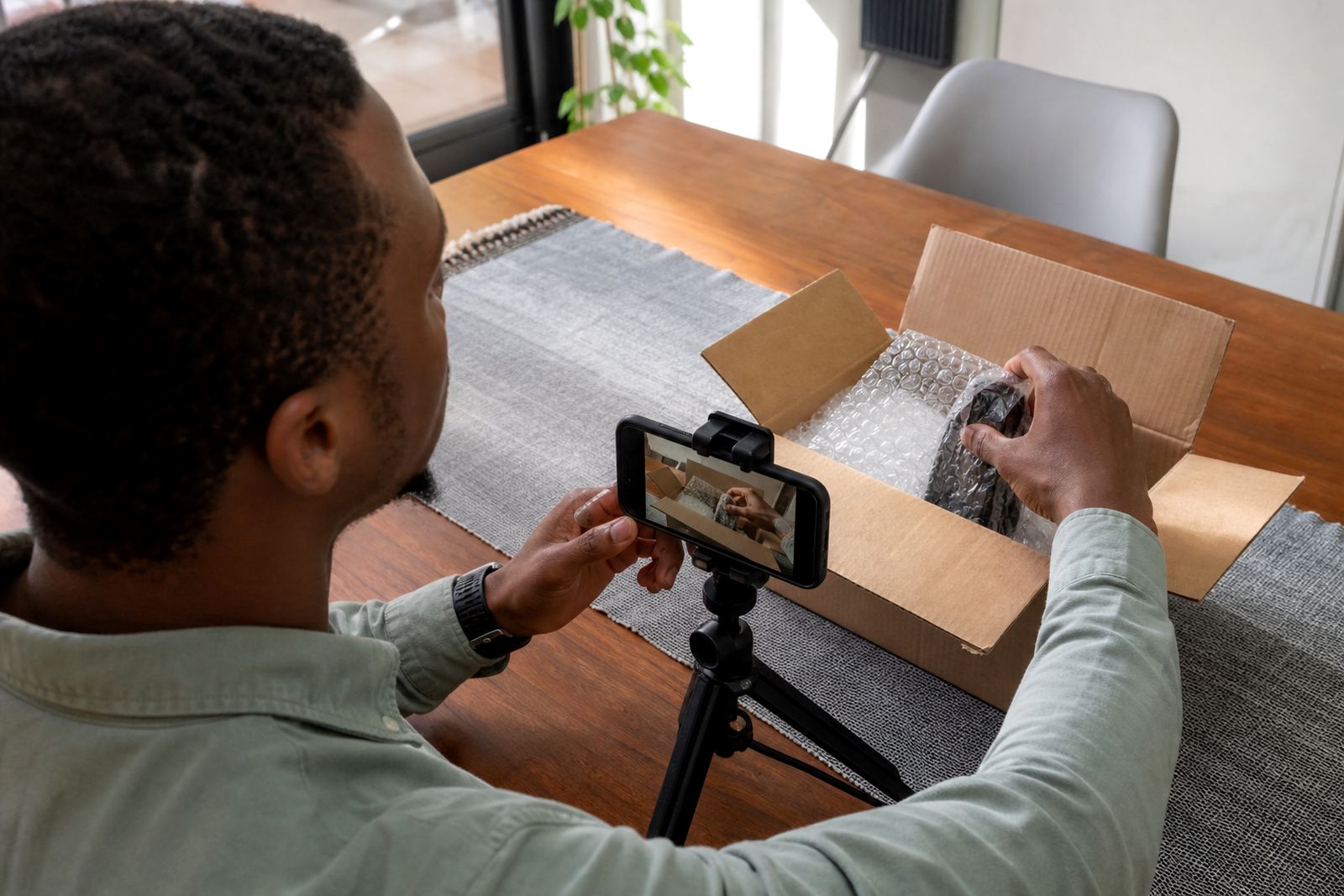
When a problem comes up, collect evidence before anything is moved, repaired, or packed away. Take clear photos of the parcel, the contents, any damage, and the packing material. If the issue is about a missing accessory, show what was in the box and what should have been included. If the item is not as described, show the differences in a way that is easy to understand.
For escrow buyers, this is especially important because delivery confirmation usually happens after inspection. A clear evidence trail makes it easier for support teams to follow the facts and work through a release query, refund process, or courier issue without confusion.
- Use natural light where possible.
- Take close and wide photos.
- Keep messages with the seller in one place.
Know When to Pause Before You Confirm Delivery
It is tempting to click confirm and move on, especially after a long wait or a busy day. But if you have not checked the contents properly, pausing is the sensible step. Confirmation should follow a methodical inspection, not replace it. That is the main reason escrow works well for many South African trades: funds are held until the buyer confirms delivery or the agreed inspection step is complete.
Before using any escrow provider, check that it is properly registered where required and that its process is clear. If anything about the order, scope, or item condition is uncertain, ask for support through the provider’s enquiry form rather than guessing.
TrustIn supports buyers and sellers across Johannesburg, Cape Town, Durban, Pretoria and Gqeberha, with local support areas including Sandton, Midrand and Randburg. The habit is the same everywhere: check calmly, keep your proof, and only release funds when the trade matches what was agreed.