
Why used electronics need clearer payment terms
Used phones, laptops, gaming consoles, speakers and other electronics often look straightforward at first glance, yet small issues can create a dispute after the handover. A device may power on but have a weak battery, a missing charger, water damage, hidden screen faults or a repaired port that fails a week later. That is why buyers and sellers in Johannesburg, Sandton, Pretoria, Cape Town, Durban and Gqeberha often benefit from a payment hold process rather than an immediate direct transfer.
With an escrow style arrangement, the buyer pays into a secure holding process, the seller ships or hands over the item, and the funds are only released once delivery and the agreed condition are confirmed. It gives both sides a clear sequence. The seller knows the buyer has committed funds, and the buyer knows the money is not released until the item arrives and can be checked. For higher value items like tablets, laptops and camera gear, that extra step can reduce tension quite a bit.
TrustIn works with online trades across South Africa and the same basic principle applies whether the parcel is moving between Sandton and Midrand or from Durban up to Pretoria. The point is not to overcomplicate a sale. It is to make the payment terms clear before the courier collects or the meet-up takes place.
How a payment hold works in plain language
The process is simple when it is set out properly from the start. The buyer and seller agree the item, price, condition notes, delivery method and inspection period. The buyer then places the payment into the hold. Once the item is received, the buyer checks the device against the agreed details. If everything is in order, the release is confirmed and the funds are paid out to the seller.
During the inspection period, the buyer can raise an issue and submit clear evidence. That can include photos of damage, a video showing the fault, courier labels, serial number photos or screenshots of the original listing. The service then helps both sides work through the issue under the agreed process. That is far easier than trying to sort things out after money has already moved and tempers have risen.
- Agree the exact model, storage size and colour before payment is made.
- Note any scratches, charger issues, battery wear or missing accessories.
- Confirm who pays courier costs and when collection should happen.
- Set an inspection window so the buyer knows how long they have to check the item.
- Keep photos and messages from the sale in one place in case a dispute comes up.
The faults most often missed in second-hand deals
Used electronics often fail at the small details. A seller may mention that the unit is working, but forget to note that the charger is not original or that the battery only lasts a few hours. A buyer may see a clean outer casing and assume the ports, speakers and buttons are all fine. In reality, many disputes are not about fraud at all. They are about expectations that were never written down.
Some of the common issues seen in second-hand electronics sales include a missing accessory, a wrong item being sent, a screen that has dead pixels, a device that is locked, or a unit that no longer holds charge as expected. There can also be scope difference problems where the buyer thought a bundle included a watch, case or cable that was never listed. A documented payment hold process gives both sides a way to confirm what was promised before release of funds.
For sellers, this matters too. If the buyer changes their story after delivery, good records help show what was actually agreed. For buyers, it gives a proper chance to check the item before the seller is paid. It is a practical safeguard, not a complicated financial product.
What to check before you release the funds
Once the item arrives, the buyer should test it properly before confirming release. That means more than switching it on for a few seconds. Check charging, sound, network functions where relevant, ports, battery performance, any included accessories and whether the item matches the listing. If the seller supplied a serial number or other identifying detail, compare that as well.
For local trades, especially where a courier has been used, the inspection period should be long enough for the buyer to open the parcel and test the equipment but short enough to keep the process moving. In coastal areas like Durban or Gqeberha, where humidity can affect older devices, it is worth checking for any signs of corrosion or moisture damage on arrival.
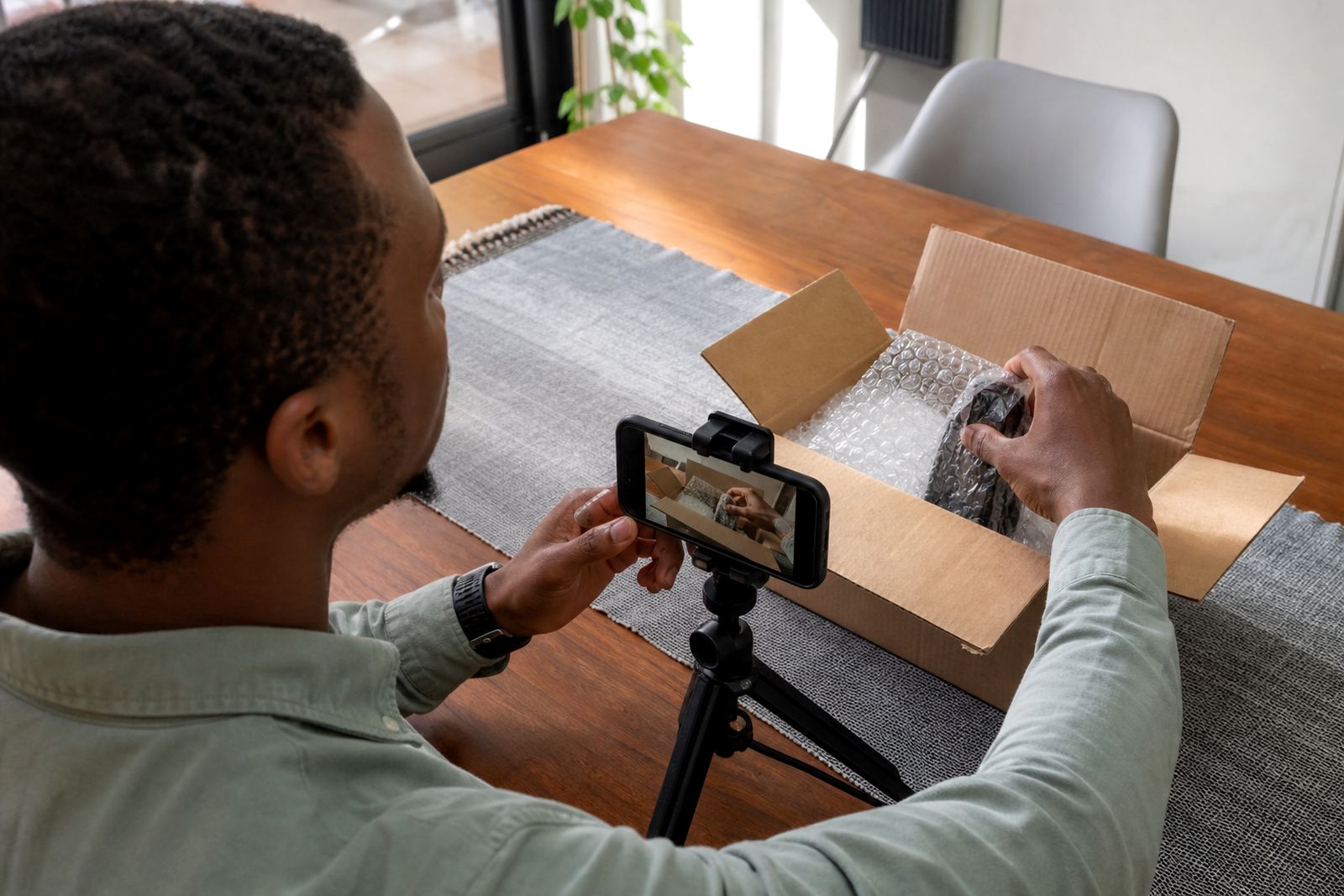
- Open the parcel on camera if you want a record of what was received.
- Compare the device to the listing photos and the written condition notes.
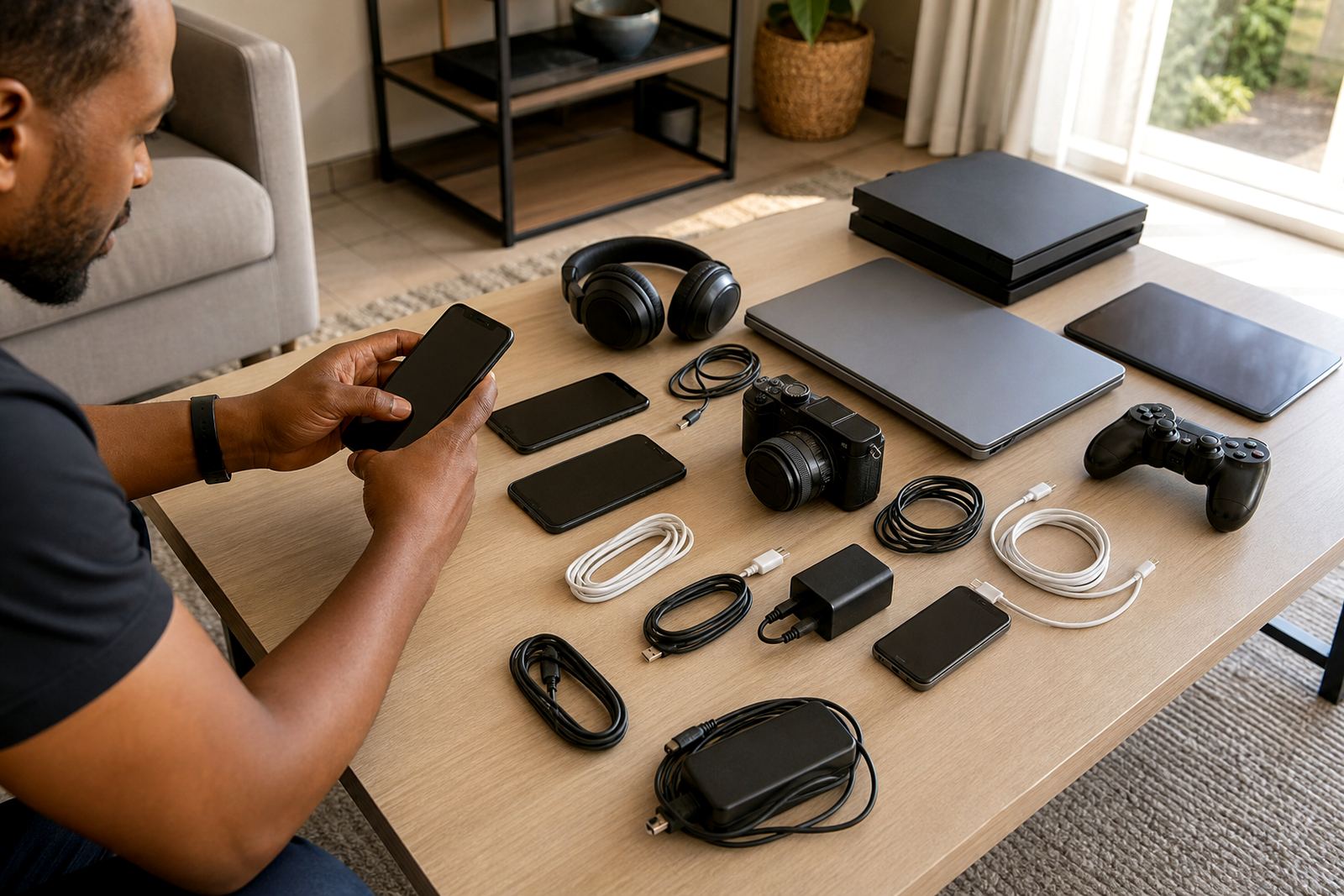
- Test the battery, screen, buttons, audio and charging point.
- Look for missing extras such as a power cable, pen, SIM tray pin or case.
- Raise any issue quickly and with evidence, not just a short message saying it is wrong.
A Sandton example from a private laptop sale
Picture a seller in Sandton listing a used laptop for a buyer in Cape Town. The machine is clean, the price is fair and the buyer wants delivery because they are not nearby. Without a payment hold, the seller may worry about sending the laptop before payment clears, while the buyer may worry about receiving a unit with a weak battery or damaged keyboard. Both sides have a reason to hesitate.
With a proper escrow style process, the buyer pays in, the seller sends the laptop, and both parties use the agreed inspection period after delivery. If the laptop works as described, the funds are released. If there is a fault, the buyer can submit evidence and the matter is handled through the agreed support path. The seller is not left chasing payment, and the buyer is not left with a dead unit and no recourse. That is the benefit of a documented hold process in a market where second-hand tech moves quickly and not every deal happens face to face.
This approach is useful for private sales, small resellers and freelance repairs too. It helps keep the transaction orderly, especially when the item is high value or sensitive to shipping damage. TrustIn supports buyers and sellers across South Africa through enquiry-based support from Sandton, Johannesburg, Cape Town, Durban, Pretoria, Gqeberha, Midrand and Randburg.
Choose a registered service and keep your records
Before using any escrow or payment hold provider, check that it is properly registered where required and that you understand the service terms. Do not rely on a quick message or a verbal promise. Read the process, confirm how disputes are handled and make sure the item details are written clearly before the transaction begins. This is especially important for used electronics, where a missing accessory or a fault in the first few days can change the whole deal.
Keep the listing, messages, photos, courier receipt and inspection notes together until the transaction is fully closed. That paper trail, even if it is mostly digital, makes a big difference if there is a question later. For buyers and sellers trading between South African cities, a payment hold is often less about formality and more about fairness. It gives both sides a simple structure and reduces the chance of avoidable arguments.
TrustIn is based in Sandton, Johannesburg and supports used electronics trades across the country through a straightforward enquiry process. Whether the deal is a phone in Pretoria, a console in Durban or a laptop in Cape Town, the goal stays the same: hold the money until the item is received and checked, then release it once both sides are satisfied.