

Start With a Clean Record on Day One
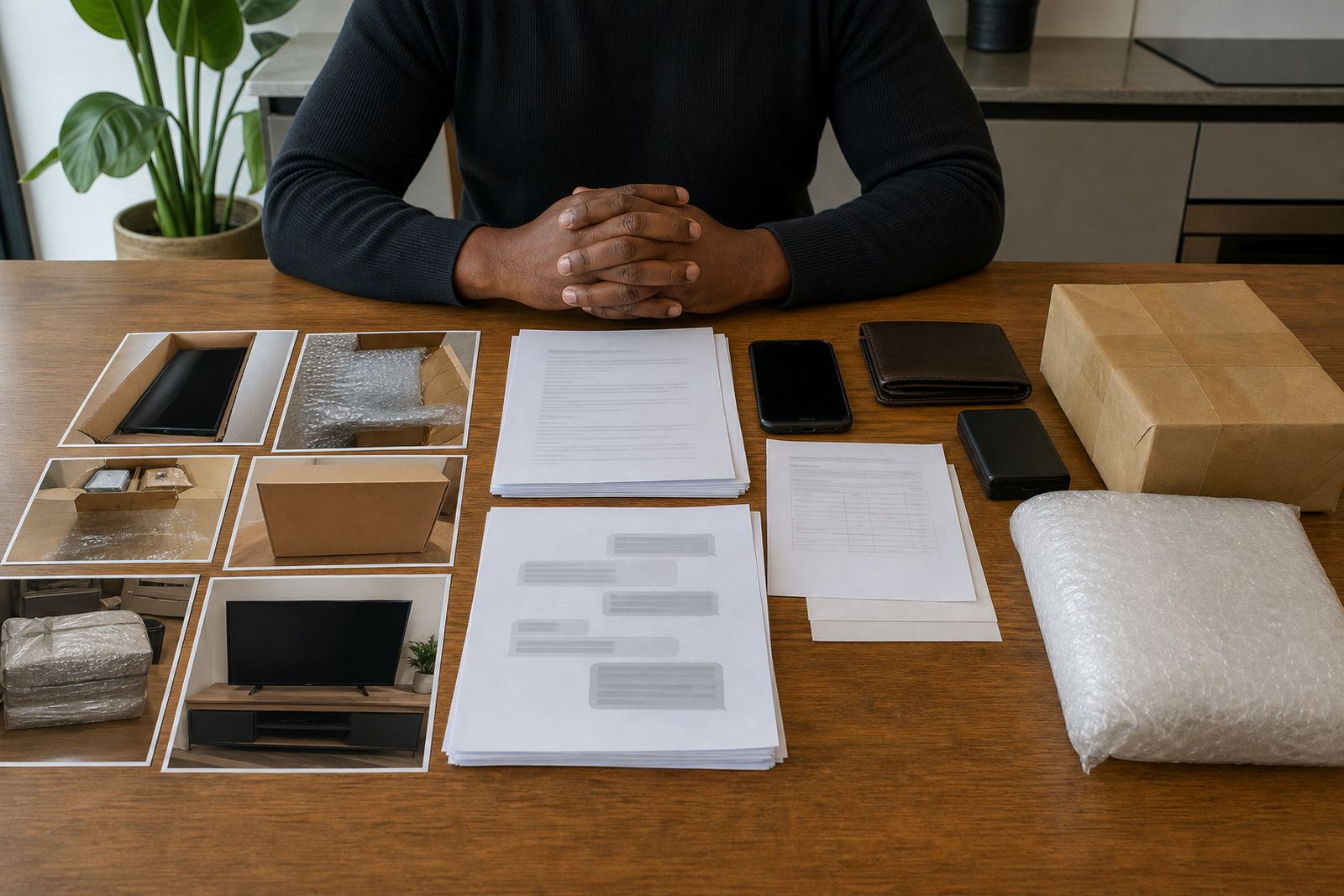
The best time to prepare for a dispute is before the first Rand is paid. Keep one simple file for each transaction and add every important detail as it happens. In an escrow payment, funds are held until the buyer confirms delivery or the inspection period ends, then the money is released. That means the record should show what was agreed, what was delivered, and when each step took place.
Use a folder structure that is easy to follow on your phone or computer. Name files with the date, the item or service, and the other party’s name or reference number. If you are trading across Johannesburg, Cape Town, Durban, Pretoria or Gqeberha, keep the same format for every deal so nothing gets lost when you need it most.
- Save the original quote, invoice or job brief
- Keep the payment reference and escrow confirmation
- Store all messages about timing, scope and delivery
- Note the agreed inspection period and release conditions
Capture What Was Agreed Before Work Starts
Many disputes begin because the parties remember the arrangement differently. Keep a written record of the item description, service scope, quantity, condition, measurements, colour, and any extras that were included. If it is a freelance job, record the deliverables, revision limits and deadline. If it is a physical product, note serial numbers, accessories, packaging and any marks visible before dispatch.
Short confirmations are better than vague chats. A message that says “delivery next week” is not enough on its own. Try to pin down exact dates, courier method, where delivery will happen, and who must inspect the item. If there is a milestone plan, save each milestone approval as it is completed, not later when memory has faded a bit.
- Item or service description
- Price, deposit or milestone amounts
- Delivery address or handover point
- Inspection timeframes and approval steps
- Any agreed exclusions or limits
Keep Proof of Delivery and Condition Clear
For goods, the strongest records usually show the item leaving one side and arriving at the other. Take dated photos before dispatch, then again when the parcel is opened. Photograph the packaging, labels, seals, accessories and the item from several angles. If something is missing or damaged, those photos help explain what happened and when. For service work, keep screenshots, files, drafts or logs that show progress against the brief.
Where possible, use a plain checklist at handover. Record the time, date, who signed or accepted, and whether any damage or shortage was seen. If the package is collected from a depot or office in Sandton or Randburg, take a quick photo of the sealed parcel and the waybill before it leaves.
- Photos before dispatch and on arrival
- Courier tracking details and handover proof
- Signed or acknowledged delivery note
- Notes on scratches, dents, missing parts or delay
Use One Thread for Dispute Messages
If a problem comes up, keep the discussion in one place. Starting new chats in different apps can make the story harder to follow. Save the first complaint, each reply, and any proposal to fix the issue. A single message thread helps everyone see the sequence without guessing. It also shows whether either side tried to sort the matter quickly and fairly.
When you describe the issue, be specific. Say what was expected, what was received, what is missing, and what evidence supports that view. Avoid long emotional messages. A clear note is easier to review than a heated one, and it keeps the focus on the facts. If you need to send a follow up, number each point so the response is easier to match.
- Use one channel for the main record
- State the issue in plain language
- Attach photos, screenshots or files with dates
- Keep every reply and any agreed next step
Make Inspection Periods and Releases Easy to Track
Escrow works best when both sides know what happens after delivery. If there is an inspection period, record when it starts and when it ends. Note whether release is automatic after a set time or only after the buyer confirms acceptance. If there is a refund request, keep the reason, the date it was raised, and the evidence supplied. This makes release queries and refund process support easier to review later.
For milestone work, save proof as each stage is finished. For example, a first draft, a checked sample, or a partial delivery should all have their own record. That way, if there is a delay or scope difference, the timeline is already visible. It helps to mark each stage with the date and a short note, not just “done”, because that word can mean different things to different people.
Quick Checklist Before You Ask for Help
If you need dispute support, a tidy file can shorten the review time. Before you submit anything, check that your record is complete and the details line up. Make sure names, dates, item descriptions and amounts all match across the invoice, messages and proof of delivery. If something is missing, add it now while the detail is still fresh.
This checklist is useful for buyers and sellers across South Africa, especially when courier delays, incomplete work or wrong items are involved. It is not legal or financial advice, just a practical way to keep the record straight. If you are unsure whether a provider is properly registered, check that before you trade and before you send funds.
- Agreement saved
- Payment reference saved
- Delivery or work evidence saved
- Inspection period noted
- Problem described in one clear message
- All replies and files kept in one folder