
Start With the Listing and the Seller Details
Before you send any money, read the listing line by line. A proper used phone deal should say the model, storage size, network status, battery condition, visible marks, and what is included in the box or bag. If the ad is thin on detail, ask for more photos and a plain description of any repairs, screen replacements, or water damage.
For sellers in Johannesburg, Cape Town, Durban, Pretoria or Gqeberha, it helps to be clear about where the handset was used and whether it was kept in a case. Buyers should also confirm that the phone is not locked to an account they cannot access later. If anything sounds unclear, pause and ask. A rushed deal is where problems start.
Check the Phone Before You Release Payment
Escrow works best when the phone is checked properly before funds are released. In a normal escrow transaction, the buyer pays into a holding arrangement, the seller dispatches or hands over the phone, and the money is only released once delivery and condition have been confirmed. That protects both sides if the item arrives as agreed.
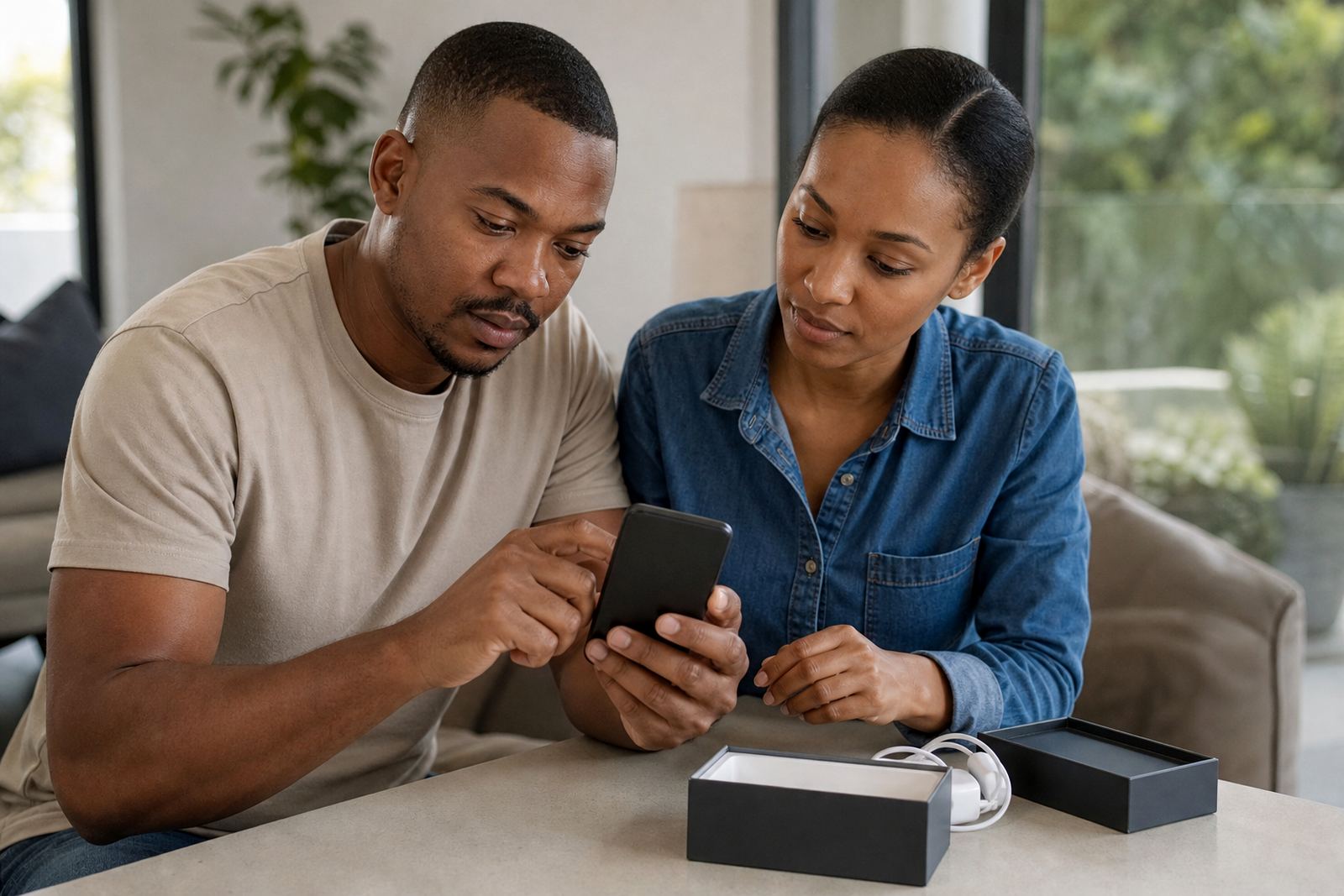
When the phone lands in your hands, test it straight away. Do not leave it in a drawer for two days and then try to raise a complaint. Most courier parcels and local handovers in Sandton or Randburg are fine, but a careful check on day one is still the safest approach.
- Power the phone on and off at least twice
- Test the charging port with a known-good cable
- Check the screen for lines, dead spots, lift marks and touch response
- Try both cameras, speaker, microphone and earpiece
- Confirm Wi-Fi, Bluetooth and mobile data connect properly
- Insert a SIM and test calls and messages
- Check battery health if the handset shows that information
Use the IMEI and Account Checks Properly
A used phone should always be checked against its IMEI or device number. Ask the seller for it before payment and compare it to the number on the phone itself or on the SIM tray area if available. If the numbers do not match, stop there. A mismatch can mean the wrong unit was sent, or that something is not right with the history of the handset.
Also confirm that the phone is signed out of the previous owner’s account, cloud lock, and any device lock features. If a seller says they will remove the lock later, that is not good enough. The phone should be ready for immediate use once the deal is complete. A handset that still asks for someone else’s login can become unusable in practice, and that leads to avoidable disputes.
Inspect the Accessories and Small Parts Too
Many used phone arguments start over the small items, not the handset itself. A charger, SIM tool, cover, earphones, box, or receipt may be mentioned in the listing but not actually included. Write down what must be in the parcel or handover before the transaction starts.
For sellers, it is worth packing everything neatly and taking photos before dispatch. For buyers, open the parcel carefully and keep the packaging until the phone has been tested. If there is a missing accessory or a wrong item, that should be raised immediately through the support process. In a busy household, it is easy to misplace a cable or a tray pin, but the deal should still match what was promised.
- Check the charger type and cable ends
- Confirm the case, screen protector or box if listed
- Look for cracks, swelling, loose buttons or bent frames
- Count any extra SIM trays, adapters or memory cards promised
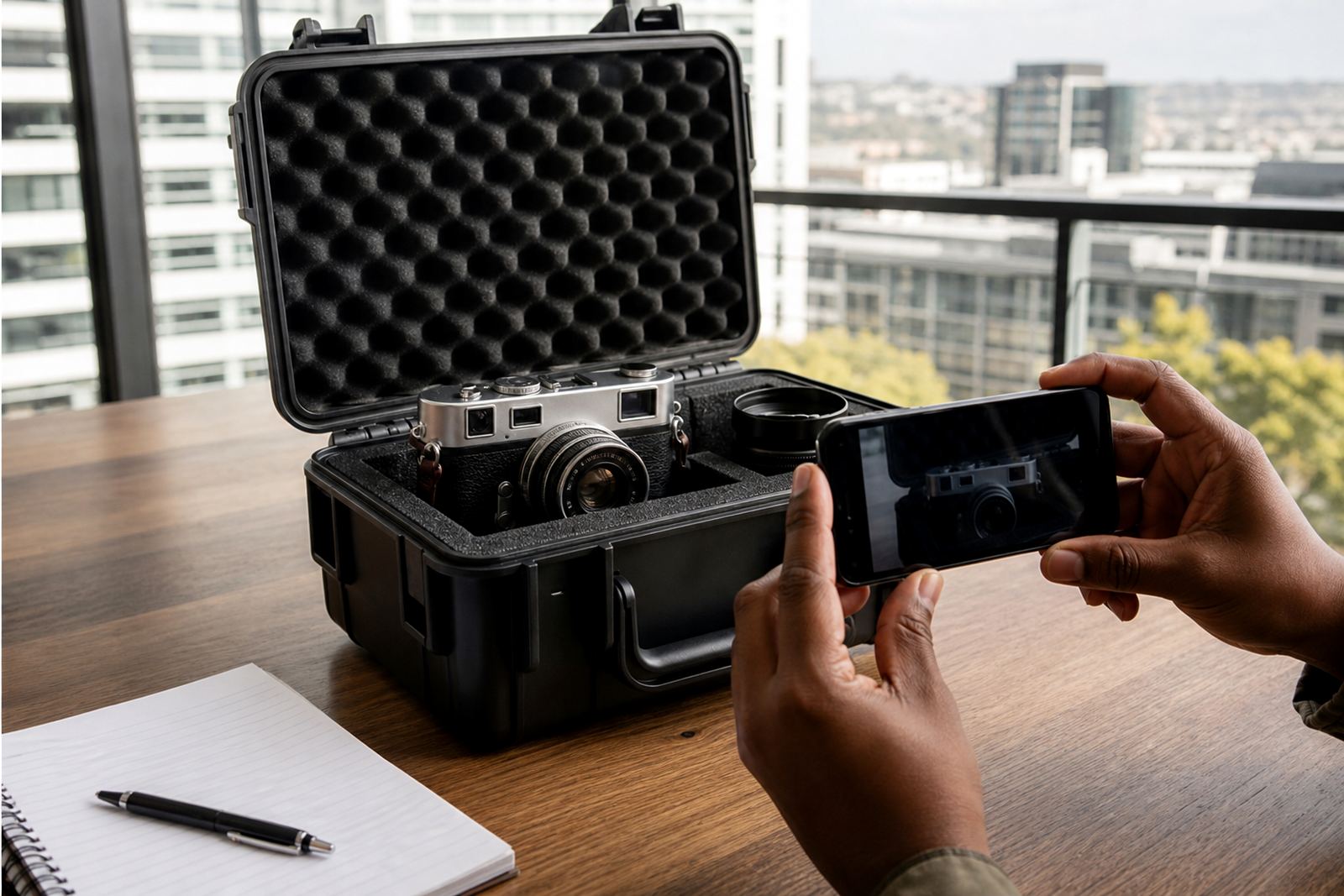
- Photograph the contents as soon as the parcel is opened
Handle Delivery, Collection and Handover Carefully
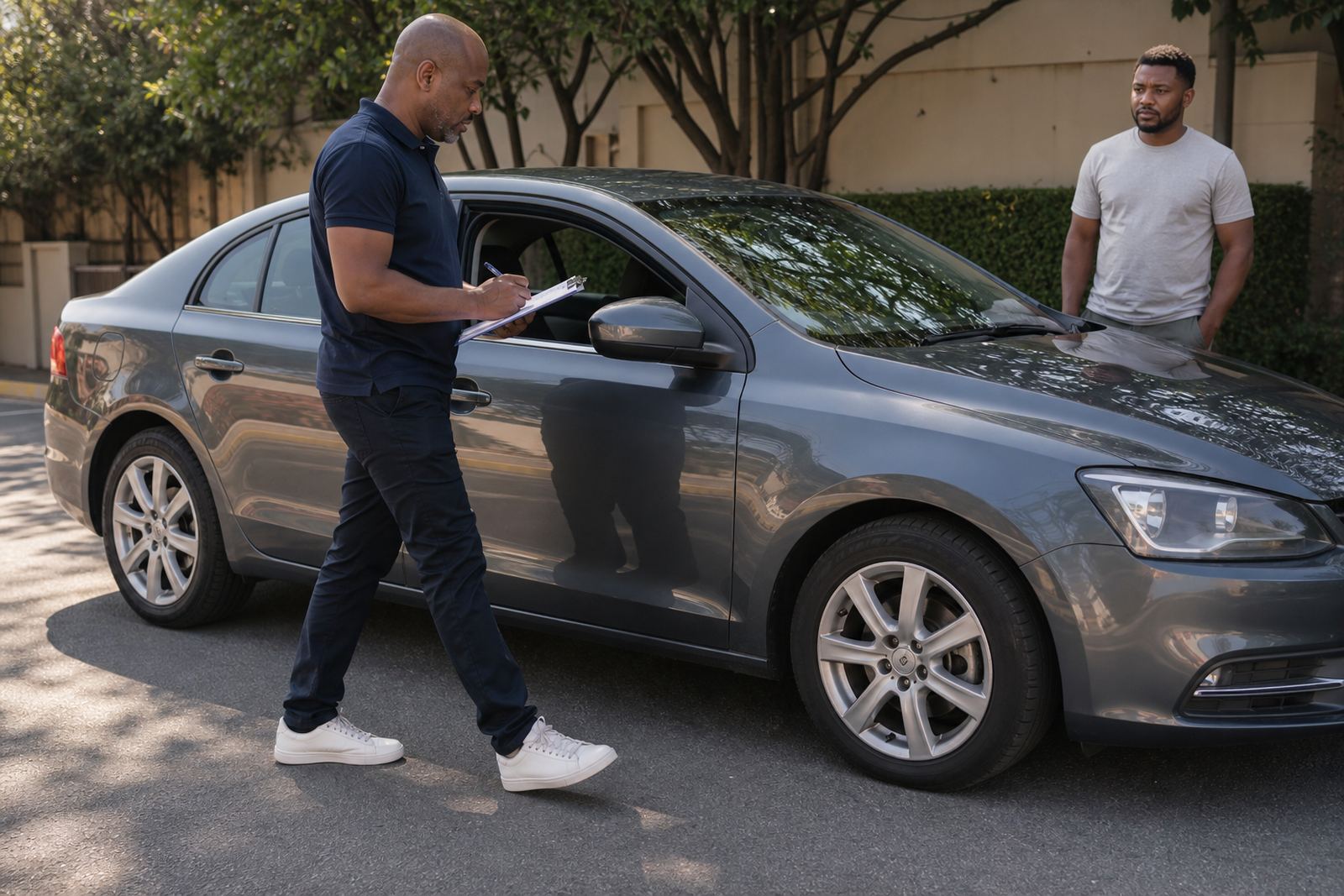
Whether the phone is couriered or handed over in person, the delivery method should be agreed upfront. If you are meeting in Midrand or Pretoria, choose a safe public place and test the phone there if possible. For couriered items, keep the parcel in good condition and avoid signing release paperwork until the handset has been checked against the listing.
Escrow support can help with delivery check questions, courier issue help, and release query support when the package is delayed or the tracking does not make sense. If the parcel arrives damaged, take photos of the outer packaging, inner wrapping and the phone itself. Keep everything until the matter is sorted. That evidence often matters more than a verbal explanation later on.
Know When to Raise a Dispute or Request Help
If the phone is not as described, do not release funds just because the seller is pressuring you. Raise the issue while the inspection period is still open and provide clear proof. Good evidence makes the process simpler, whether the problem is a cracked screen, missing accessories, a wrong model, or work that was promised but never done.
Useful support categories for used phone deals include item condition review, missing accessories help, wrong item support, incomplete work review, scope difference help, inspection period guidance, evidence submission help, refund process support and release query support. The stronger your notes, the easier it is to explain what happened. Make sure your photos are clear and show the fault, not just the packaging.
- Keep screenshots of the listing and messages
- Save delivery proof and tracking updates
- Take time-stamped photos of faults and missing parts
- State what was expected and what was actually received
- Submit evidence before the inspection window closes
A Simple Buyer's Checklist Before Funds Are Released
Before you say yes to release payment, run through a final checklist. A used phone can be perfectly fine, but only if the device, accessories and account status all line up with what was agreed. This matters just as much for online trades between Cape Town and Gqeberha as it does for a handover in Sandton after traffic has cleared.
Use this final check before releasing payment: the phone switches on cleanly, the screen and touch work, the IMEI matches, the seller’s account lock is removed, the accessories match the listing, and the condition matches the photos. If you are unsure, ask for help first and release later. Also check that any escrow provider you use is properly registered and suitable for the type of transaction you are making. That one step is worth the effort.