

Start with a plain description of the deal
Write the basics first and keep them specific. A good record should say exactly what is being sold, how many items are included, the agreed price in Rand, who is sending it and where it must go. If the item has a model number, size, colour, serial number or other identifying mark, include it. For services, note the task, the deliverables and the date the work is due.
In South Africa, a lot can go wrong when a deal is described too loosely. A buyer in Sandton may think they are getting one thing, while the seller in Cape Town thinks a different version was agreed. That kind of confusion can be avoided with a short written summary before any money changes hands.
- Item name and full description
- Agreed price and currency
- Buyer and seller names
- Collection or delivery suburb
- Expected delivery date or service deadline
Record condition, contents and any limits
Condition is often where disputes begin. If the item is used, note the wear, marks, missing parts or repairs that already exist. If it is new, state that clearly. For equipment, accessories matter too. Chargers, cables, remote controls, manuals, mounting brackets and spare parts should be listed one by one if they are meant to be part of the deal.
For service work, define the scope in writing. Say what is included and what is not. If the job is a website repair, a marketing assignment or a freelance design task, the seller should note the number of revisions, the file format, the delivery date and any content the buyer must supply. This keeps the trade focused and avoids scope creep later on.
- Current condition and visible defects
- Accessories, parts and packaging included
- Any exclusions or known limits
- For services, scope and revision limits
- Any return or inspection requirements
Agree on delivery, inspection and release terms
Escrow works best when both sides know what must happen before funds are released. The usual process is simple: the buyer pays into the escrow arrangement, the seller delivers, the buyer checks the item or service, then the funds are released once delivery is confirmed. Put that sequence into writing so there is no confusion later.
Decide how long the inspection period will be. A buyer receiving goods in Durban may need time to inspect the item after a courier delivery, while a service buyer in Pretoria may need a fixed number of working days to review the output. State who must confirm receipt, how that confirmation will be sent and what happens if no response is given within the agreed period.
- Courier company or collection method
- Inspection period in days or hours
- Who confirms delivery
- What counts as acceptance
- What happens if there is no response
Keep proof that can be checked later
Good paperwork is not about making things complicated. It is about keeping proof that can be reviewed if something is questioned. Save screenshots of the listing, messages about the deal, invoices, proof of dispatch, courier tracking details and photos of the item before it leaves the seller. For services, keep drafts, milestones, file versions and approval messages.
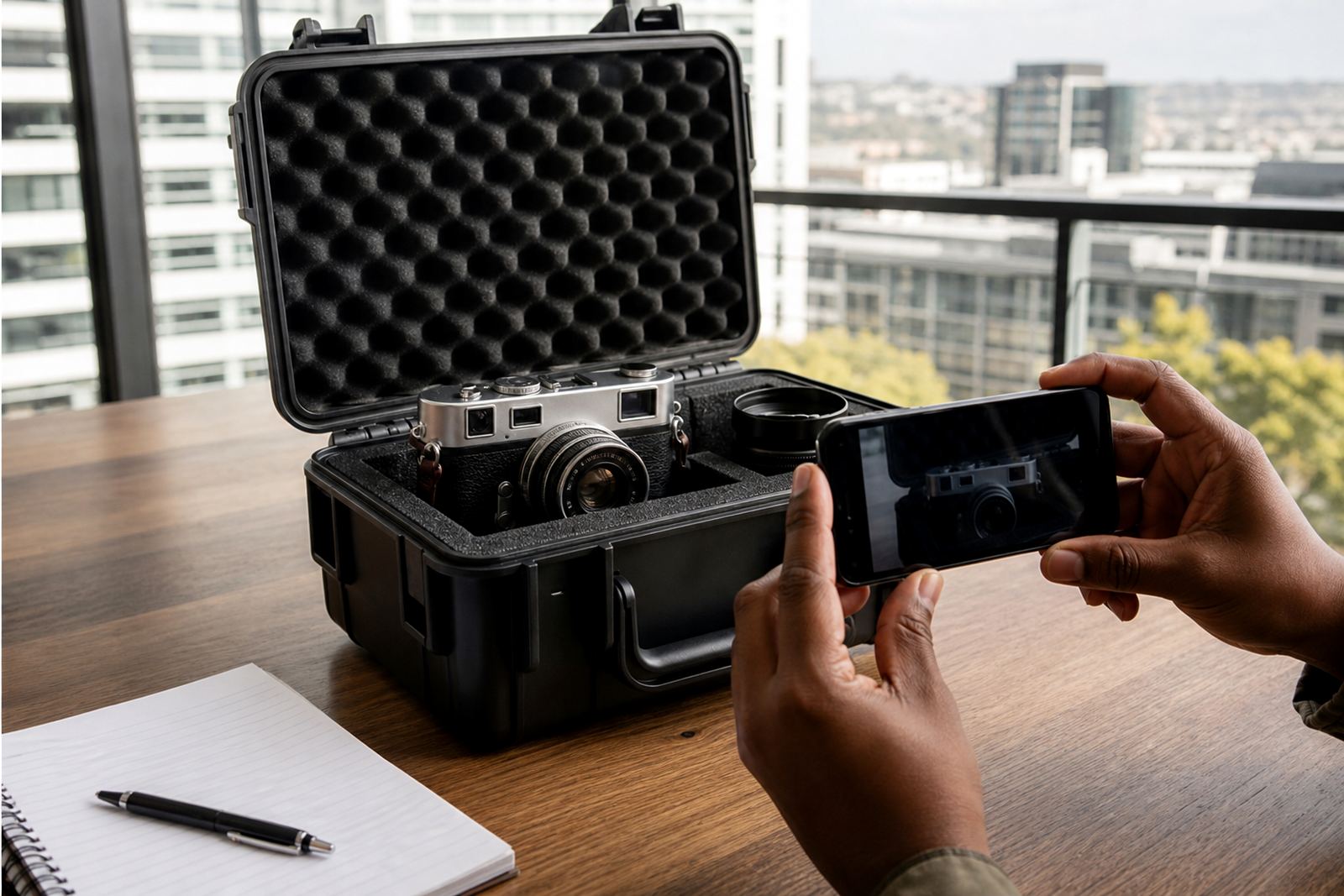
When possible, use dated photos or short videos that show the condition of the item from more than one angle. If something is fragile or likely to be affected by coastal humidity, packaging details matter too. In Gqeberha or Durban, for example, moisture damage can become part of the conversation if the item was not packed properly, so keep a note of the packaging used.
- Screenshot of the agreed terms
- Proof of dispatch or collection
- Tracking number and delivery updates
- Photos or video before shipment
- Messages showing approval or changes
Write down what happens if the deal is disputed
No one starts a trade expecting trouble, but a short dispute plan saves time later. Note the steps both sides should follow if the item arrives damaged, incomplete or not as described. Also note who should be contacted first, what evidence is needed and how the matter should be raised. That makes the next step clearer if there is a delay, a missing part or a release query.
A useful record should name common problem areas such as wrong item support, item condition review, missing accessories help, incomplete work review, scope difference help and courier issue help. If both sides already know which type of problem they are dealing with, the discussion stays calmer and more practical.
It is also wise to check that any escrow provider you use is properly registered and operating within the rules that apply to its service. If that cannot be confirmed, do not assume the arrangement is safe just because the payment page looks neat or the process sounds simple.
Use a simple pre-trade checklist
Before payment is made, run through the deal once more. This takes a few minutes and can prevent long delays later, especially when the buyer and seller are in different provinces. A clean checklist is useful for one-off items as well as repeat trading.
- Have the item, service and price been written down clearly?
- Is the condition or scope described in plain language?
- Are delivery method and timing agreed?
- Is the inspection period stated?
- Are photos, messages and proof saved?
- Has the release condition been set out?
- Has the provider been checked for proper registration?
If you are trading from Johannesburg, Cape Town, Pretoria, Sandton, Midrand, Randburg, Durban or Gqeberha, keep the same discipline every time. The more ordinary the process looks on paper, the easier it is to sort out the small issues that often cause bigger arguments later on. A few careful notes at the start can save a great deal of back-and-forth after delivery.