
Start with a clear trade record before any payment
For expensive private trades, the first step is to write down exactly what is being sold. That means the full item name, condition, included extras, serial numbers where relevant, delivery method, expected timing and who is responsible if something arrives late or different from what was agreed. If the item is custom work or a service, define the scope in plain language so both sides know what counts as completed.
Escrow works by holding the buyer’s funds until delivery is confirmed or the agreed inspection point has been met, then the funds are released to the seller. That structure is useful when the amount is too high for a casual cash transfer. It does not remove the need for a proper record though. Keep the agreement simple enough to read again a week later, because that is often when the details matter most.
- State the item, condition and price in writing
- List any accessories, packaging or documents included
- Agree on delivery method, dates and inspection timeframes
- Keep screenshots or copies of the original listing and messages
Build your inspection checklist before funds are released
High value goods should be checked against a clear list. For services, it may include milestones, revisions, file formats, access details and the exact handover point. If you are buying from Durban, Cape Town or any coastal area, also watch for moisture damage or corrosion on items stored near the sea.
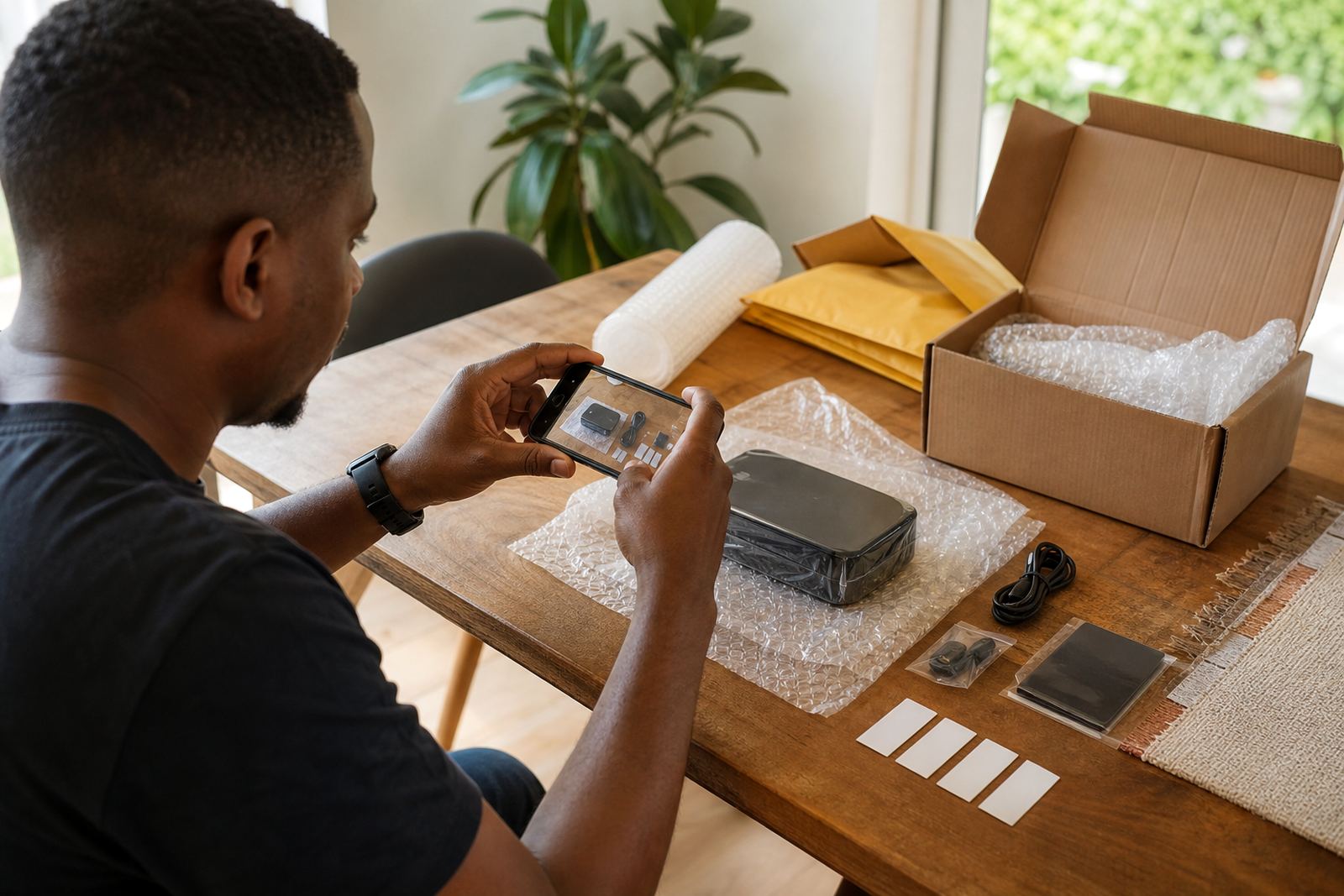
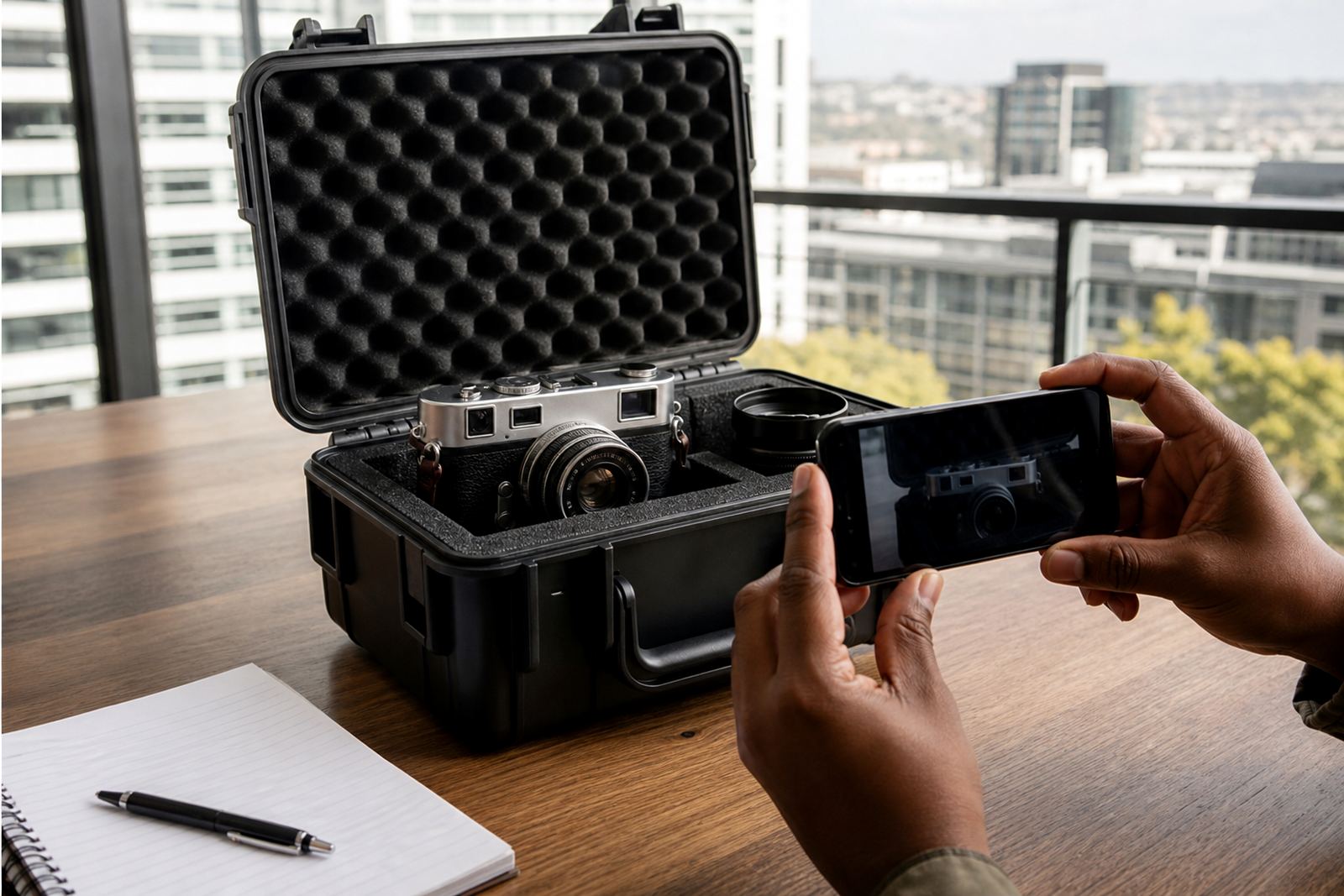
An inspection period is only useful if both sides know what will be checked and how issues must be reported. A same day unpacking photo set can save time later, especially where the courier left the parcel with a neighbour or at reception. Do the check while the packaging is still intact and note anything unusual straight away.
- Photograph the parcel before opening it
- Record serial numbers and visible marks
- Test powered items as soon as possible
- Separate cosmetic concerns from functional faults
- Keep the original packaging until the trade is resolved
Use evidence that is easy to follow
When a dispute starts, strong evidence is usually plain and organised. Keep the first advert, the payment reference, the delivery note, every message about the deal and all photos or video taken during unpacking. If the issue is missing accessories, wrong item, incomplete work or a scope difference, show exactly what was expected and what arrived instead. Short, dated notes help more than long explanations.
Evidence submission is easier when files are labelled clearly. Use simple names like invoice, delivery photo, fault video and message thread. If the matter is about a service, include drafts, sign-off notes and the point where the work was meant to move from draft to final. It is easier to seperate facts from opinion when the record is tidy, and that makes a release query or refund review quicker to handle.
- Save messages in one folder or thread export
- Use date stamps where possible
- Show the item in full, then close-ups of the problem
- Keep proof of courier handover and tracking updates
Plan for courier delays and handover gaps
South African trades do not always run on a perfect timetable. Courier networks can also slow down in peak periods or bad weather. If the trade depends on a handover window, build in extra time and agree what happens if the parcel arrives after business hours or the inspection starts later than planned.
For sellers in Pretoria, Midrand or Randburg, good packaging matters just as much as the dispatch note. For buyers in Gqeberha, Johannesburg or Sandton, it helps to know who signs for the parcel and where it is stored before opening. If the courier has damaged the outer box, take photos before touching the contents and report the issue straight away. Delay is not always a fault, but it must be recorded if it affects the deal.
- Confirm who receives the parcel and where
- Keep packaging dry and intact until inspection is complete
- Note any courier damage before unpacking
- Agree how late delivery affects the inspection period
Know when to raise a dispute and what to include
A dispute should be raised as soon as the issue is clear, not days later after the item has been used. If the problem is missing parts, wrong specifications, damaged goods or incomplete work, explain the gap between what was agreed and what was delivered. Keep the tone factual. The aim is to help the release process, refund process or correction process move forward without confusion.
When you contact support, give the trade reference, a short summary of the problem and the exact outcome you want. That may be a replacement, repair, additional work, partial refund or cancellation depending on the agreement and the evidence supplied. Good support teams can only work with the facts in front of them, so clarity helps on both sides.
- State the problem in one or two sentences
- List the evidence already available
- Say what outcome you are seeking
- Keep communication focused on the deal terms
Choose a provider carefully and check registration status
Before using any escrow provider, buyers and sellers should check that the business is properly registered and permitted to offer the service it claims to provide. That is basic due diligence for any high value trade. Ask how funds are held, how release instructions work, what happens during a dispute and which records are kept for both sides. If something sounds vague, ask for a clearer explanation before committing money.
TrustIn supports buyers and sellers trading across South Africa from our Sandton, Johannesburg base, with support for people in Johannesburg, Cape Town, Durban, Pretoria and Gqeberha. Our team includes Thabo Arendse, Naledi Phiri, Aiden Naidoo, Lerato Mashaba, Megan van der Merwe, Reneilwe Hadebe and Jason Mkhize. If you need help with delivery check support, item condition review, missing accessories help or release query support, write to TrustIn through the contact page form and send the trade details there.