
Start With the Vehicle and the Seller
Before any money moves, do a proper first pass on the vehicle and the person selling it. Match the registration number, VIN, engine number and licence disc details, then check that the person you are dealing with is the registered owner or has clear authority to sell. If the car is still financed, ask how settlement will be handled and make sure there is no confusion about who is receiving what and when.
In Johannesburg, Cape Town, Durban, Pretoria and Gqeberha, private sales often move quickly, especially for popular bakkies and small family cars. That is where a clear escrow process helps. You do not hand over the purchase amount to the seller before you have checked the vehicle, and the seller does not hand over the car without a defined payment process in place.
- Confirm the seller’s full name and ID details.
- Check the VIN on the vehicle against the paperwork.
- Ask for the latest licence disc and service records if available.
- Make sure the sale price, extras and delivery terms are written down.
Set the Escrow Terms in Writing
Escrow works best when everyone knows the release conditions from the start. The buyer pays the agreed amount into escrow, the funds are held while the vehicle is delivered, and release only happens after the agreed checks are complete. For a private sale, those checks usually include handing over the vehicle, keys, registration papers, spare wheel and any agreed accessories.
Write down the exact condition needed for release. If the sale includes a service book, second key or fitted tow bar, say so. If you need the vehicle delivered to a specific suburb in Sandton or collected from a secure point in Midrand or Randburg, note that too. Small details avoid disputes later, and they matter more than people think.
- Sale price and currency, usually Rand.
- What must be delivered with the vehicle.
- Inspection period length.
- What happens if delivery is delayed.
- What evidence is needed for release or a dispute.
Inspect the Vehicle Before Release
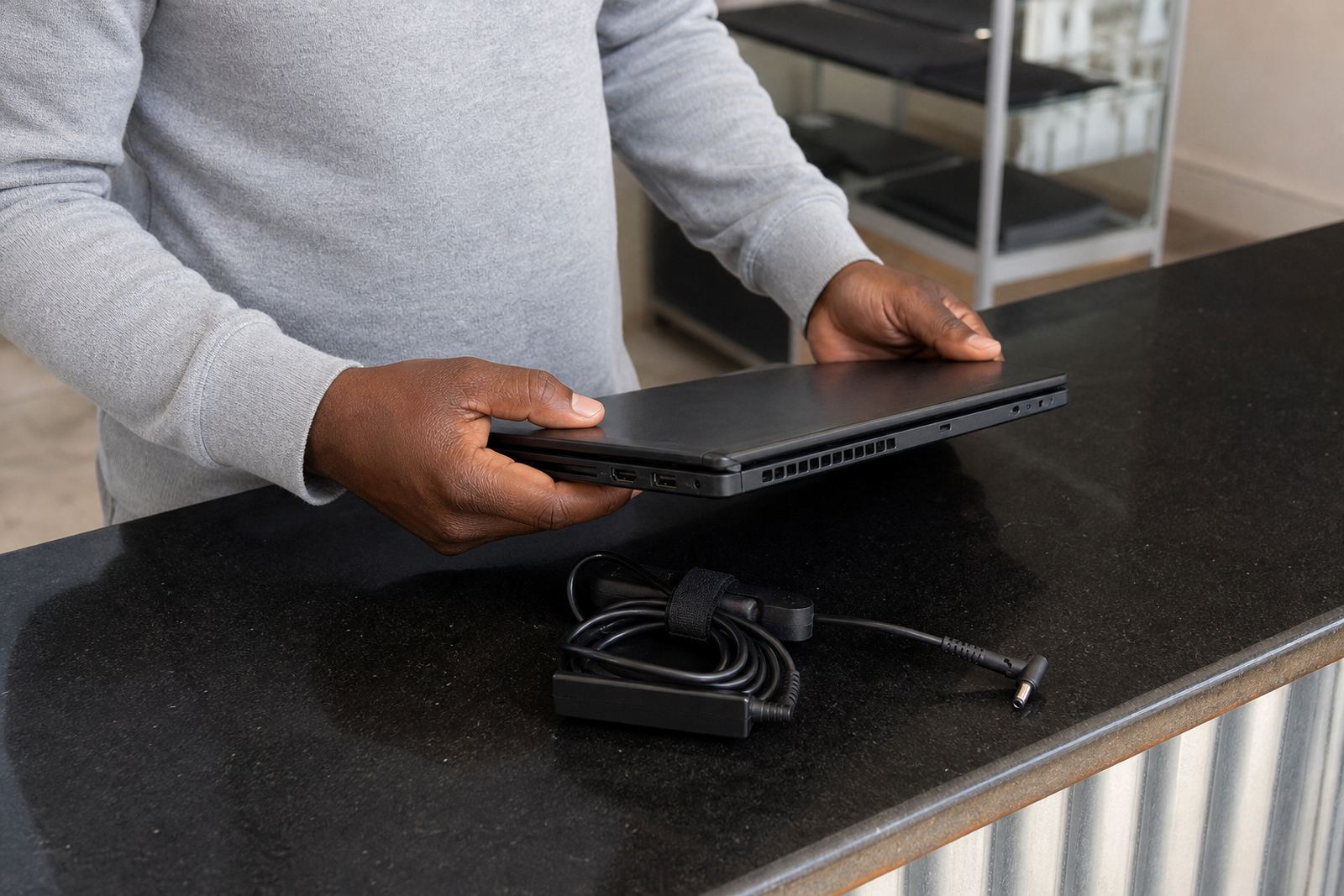
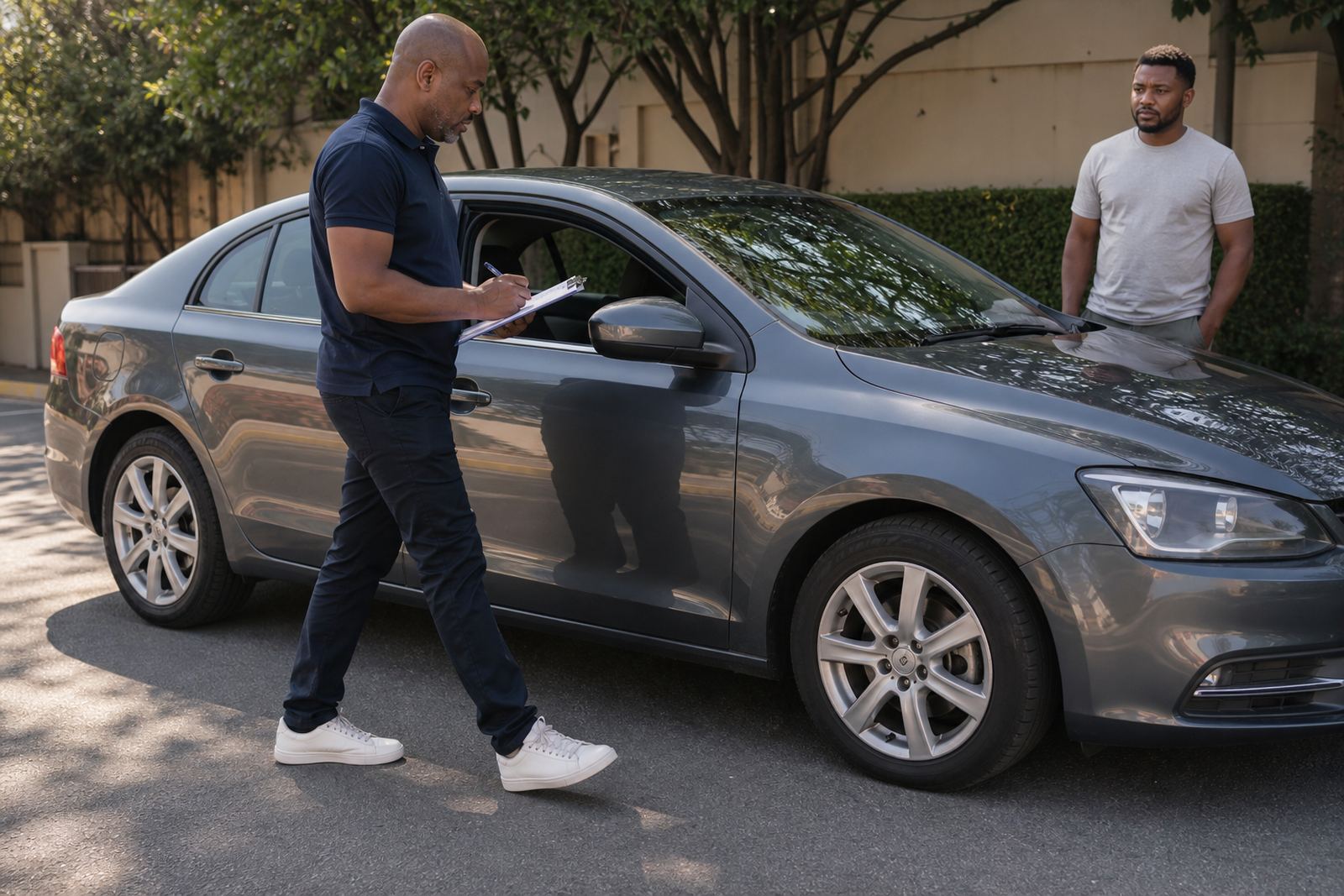
Once the vehicle arrives or is handed over, inspect it before funds are released. Check the body for new damage, the tyres for tread depth, the lights, airbags warning light, aircon, windows and central locking. Start the vehicle and listen for unusual noises. If the seller said the car has two keys, make sure you get two keys. If there are accessories included, look for them before you confirm delivery.
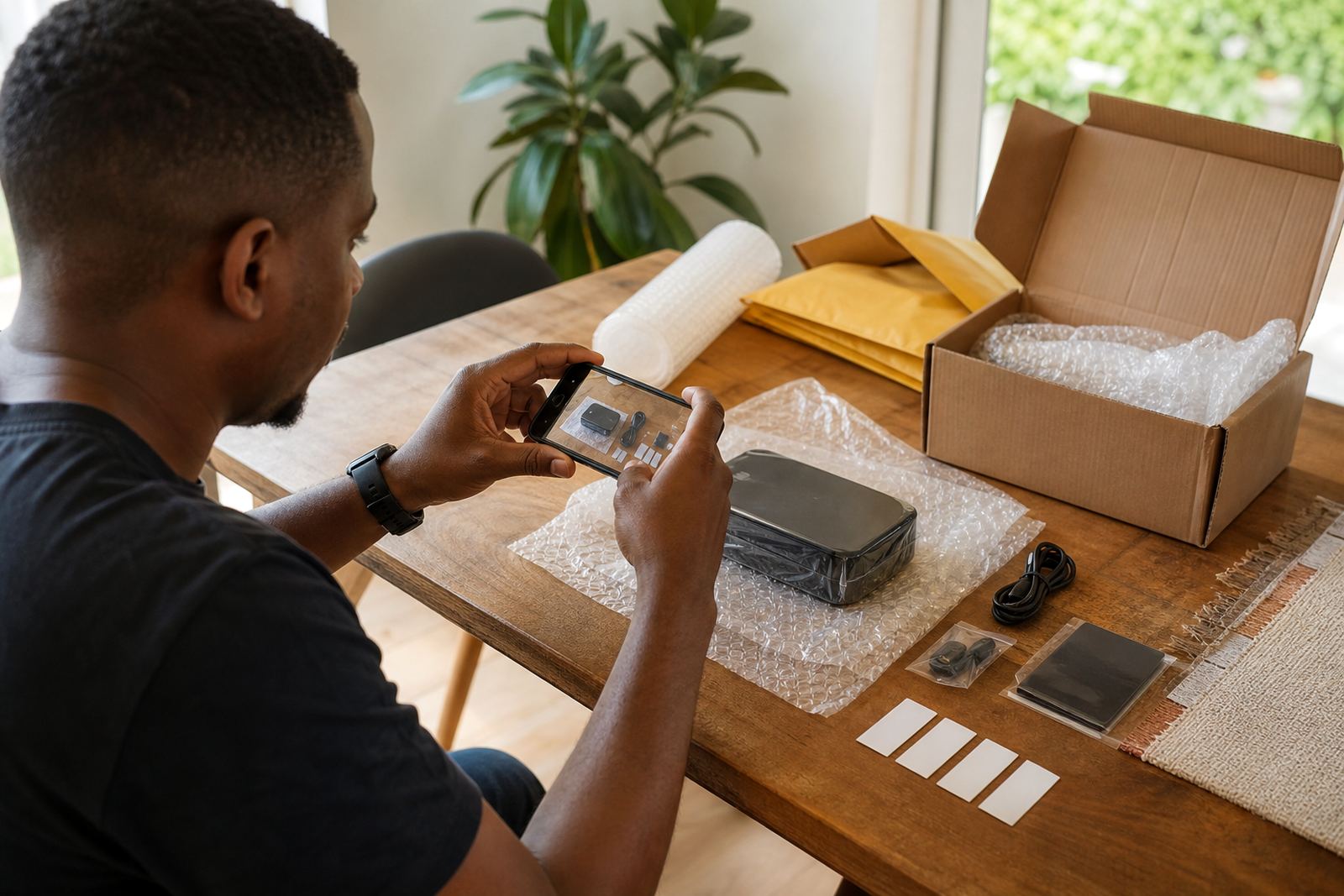
In coastal areas like Durban and Gqeberha, pay extra attention to rust, damp smells and corrosion around fittings. In areas with heavy stop-start driving, brake wear and clutch condition are worth checking. If you find something wrong, record it straight away and follow the evidence process. A quick phone photo, timestamped video or written note can save a lot of back and forth.
- Take photos from all four corners of the vehicle.
- Photograph the odometer reading.
- Test the keys, remote central locking and alarm.
- Check that all agreed accessories are present.
- Do not release payment until the agreed condition is met.
Prepare for Paperwork and Hand-Over
The payment side is only one part of the sale. You still need the paperwork to match the vehicle hand-over. Ask for the signed sale agreement, the registration papers, roadworthy documents if applicable and any proof of settlement if the vehicle was financed. If the buyer and seller agree on a specific collection time, keep it realistic.
When collecting a vehicle in Gauteng, allow for peak traffic between Sandton, Pretoria and the eastern suburbs. If the vehicle is being transported on a trailer or by a delivery driver, confirm who is responsible until hand-over is complete. It helps to keep a copy of every document and every message in one place, rather than spreading it across different apps and chats.
Handle Delays, Differences and Missing Items
Not every private vehicle sale goes exactly to plan. Sometimes the logbook is delayed, a spare key is missing, or the vehicle arrives with a condition issue that was not disclosed. Escrow gives the buyer and seller a clear place to pause while the issue is reviewed. If the problem is minor and both sides agree, it can often be resolved without holding up the whole transaction for long.
For example, if a seller forgot to include the locking wheel nut key or a parcel shelf, that should be noted as a missing item. If the odometer reading does not match the listing, that is a different matter and should be handled as a condition or disclosure issue. Keep your notes factual and concise.
- State the issue clearly.
- Attach photos, videos or messages that support the claim.
- Say whether the issue is about delivery, condition or paperwork.
- Do not edit or delete evidence after the fact.
Buyer Checklist Before You Click Release
Before you approve release, slow down and run through a final check. Make sure the vehicle is in your possession or has been delivered to the correct place, the paperwork is in hand and the condition matches the agreement. If you are buying a car in a more exposed area, factor in where you will park it, especially if the keys need to be handed over at a transport depot or office park.
It is also worth checking that the escrow provider itself is properly registered and that its process is explained clearly before you pay in. You should understand how funds are held, what proof is required for release and how a dispute is raised. If anything is unclear, ask first. A proper buyer check now is better than trying to sort out a mistake later.
- Vehicle received and inspected.
- All agreed accessories present.
- Paperwork signed and complete.
- VIN and registration details match.
- No unresolved delivery or condition issues.