

Start with a clean agreement before any goods leave
The best seller experience begins before the buyer sends money. Agree on the item, the exact condition, quantity, delivery method, inspection period and what counts as successful delivery. If you are selling to a buyer in Sandton, Cape Town, Durban, Pretoria or Gqeberha, write the details down plainly so there is no confusion later. That includes size, model, colour, included parts, packaging and any known faults.
Escrow is simple in principle. The buyer pays into the escrow arrangement, the funds are held while the item is in transit or work is being completed, and the money is released once the buyer confirms delivery or inspection is complete. That structure protects both sides, but it only works well when the terms are clear upfront and both parties know what they are signing up for.
For sellers, this is where disputes are often avoided. If the buyer expects installation but you are only supplying the item, say so. If the item has a small scratch or a seal has been opened, mention it before collection or dispatch.
Wait for confirmation that the funds are in place
Do not dispatch goods or start work until the escrow process confirms that payment has been received into the holding arrangement. A screenshot from the buyer is not enough on its own. The safer approach is to rely on the proper transaction confirmation from the service handling the escrow.
This matters for sellers in busy areas such as Midrand or Randburg where collections can happen quickly and couriers may arrive the same day. If you release stock too early and the payment is not properly in place, you carry the risk. That is especially important for higher value items, custom work and time sensitive services.
As a seller, keep your own record of the deal. Save the order summary, the agreed price, the delivery address, the buyer name and the date the item was handed to the courier. If there is a later query, those details help you answer it without guessing.
Pack, label and dispatch with proof the parcel actually left you
Once payment is held, prepare the item properly. Use enough protection for the route it will travel, especially in a coastal area like Durban where humidity can affect packaging and certain goods. For electronics, documents or items with delicate finishes, add moisture protection and strong outer packaging.
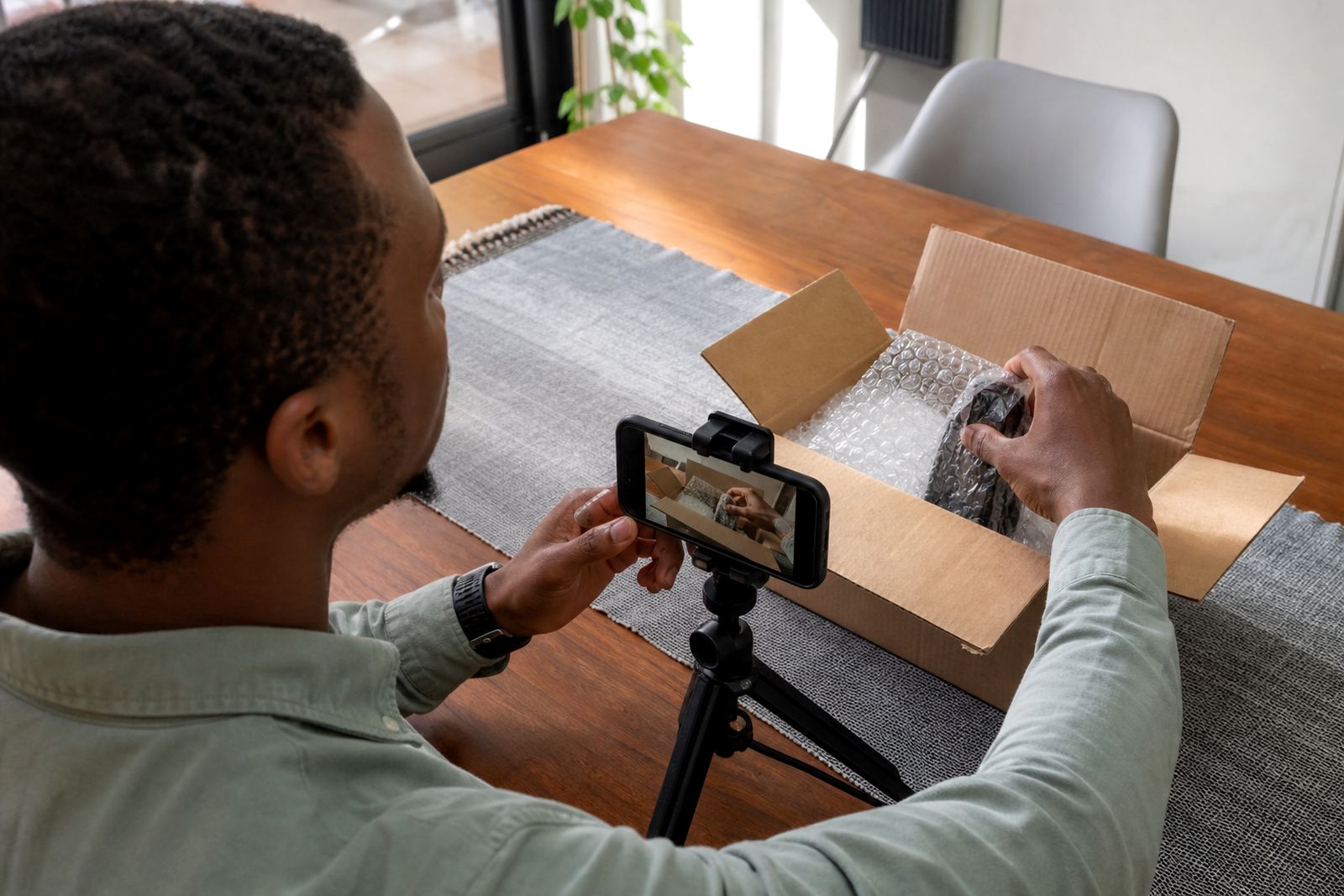
Take photos before sealing the parcel. Photograph the item, the inner packaging, the outer box and the waybill or collection note. If the item is collected in person in Johannesburg or Pretoria, ask for a handover record or at least keep a dated note of the collection time. This kind of proof is useful if the buyer later says the wrong item arrived, or that something was missing.
For service sellers, the same principle applies. Keep proof of milestones, completed work and any files handed over. If you are delivering design files, reports, repair results or consulting notes, keep a clean copy of what was sent and when.
Use the inspection period to stay responsive, not defensive
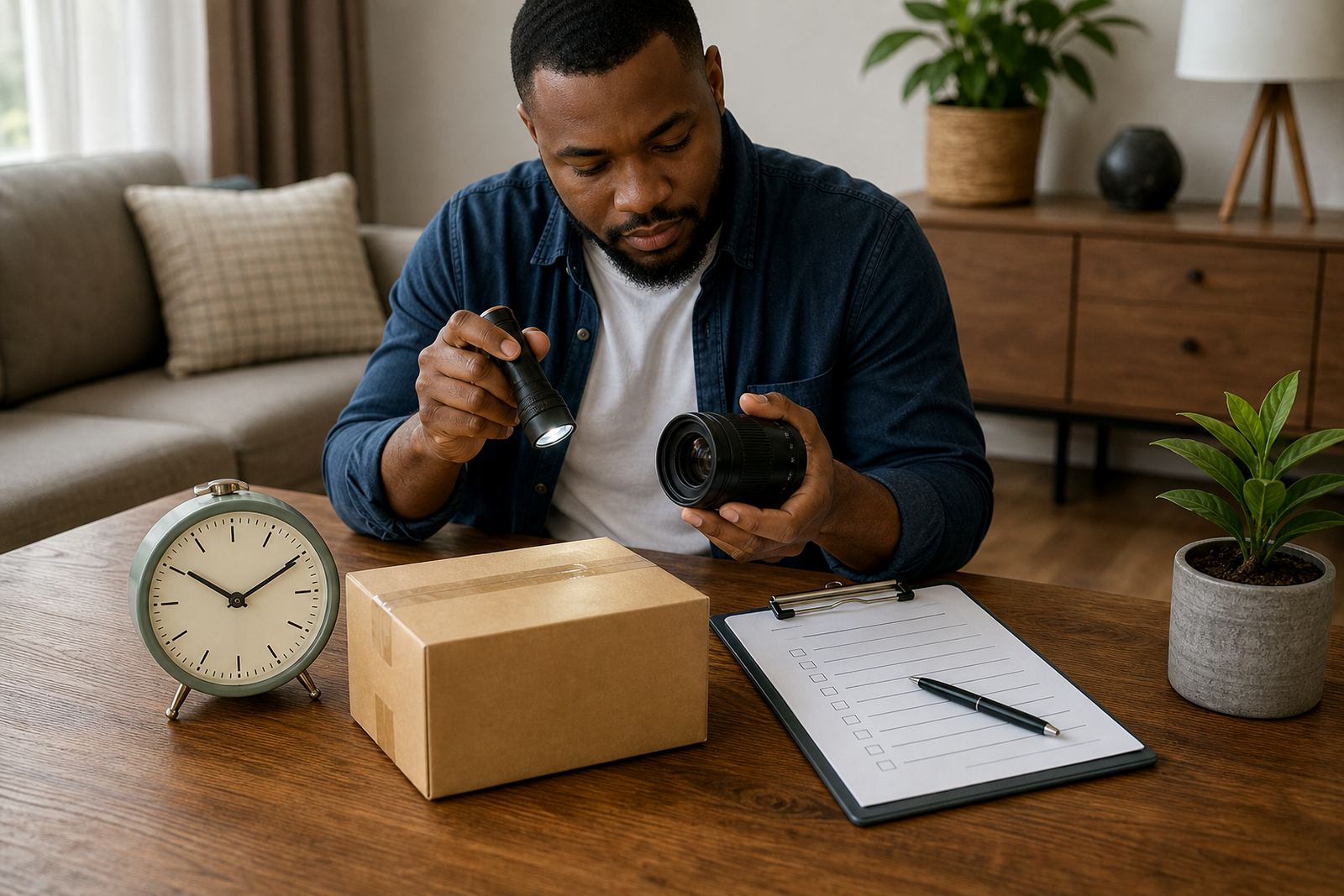
After delivery, the buyer usually gets a set period to inspect the goods or review the work. That is the stage where release is still pending, so a seller response matters. Buyers may raise a delivery check question, ask about item condition, mention missing accessories or query an incomplete service. Sellers who answer with facts are often in the best position.
If the buyer says something is wrong, ask for clear evidence. Photos, courier notes, messages and timing details help everyone understand what happened. A missing cable, wrong size item or scope difference on a freelance project can often be resolved faster when both sides stick to the facts and do not let the tone go sideways.
This is not the time for assumptions. If you shipped the correct item but the box was damaged in transit, say so and show the packing evidence. If the work was completed in stages and one milestone is still outstanding, point to the agreement and the original deadline. Clear records make the inspection period much less stressful for everyone involved.
Know when payment is released and what can slow it down
Payment is usually released once the buyer confirms delivery or the inspection period ends without a valid dispute. The seller should not have to chase a release if everything matches the agreement. Still, delays can happen when the buyer has not reviewed the item properly, when supporting evidence is missing, or when the parties disagree about what was agreed at the start.
If a release query comes up, respond with the relevant proof rather than a long explanation. Keep it simple: what was ordered, what was sent, when it was sent and how it matches the agreement. That approach helps the support team assess the matter faster.
In South Africa it also helps to remember that suppliers and buyers work across different areas and schedules. A seller in Sandton may dispatch in the morning while the buyer in Gqeberha only checks the parcel later in the week. That time gap is normal. What matters is that the delivery record, inspection window and release conditions are all clear from the beginning.
Handle disputes early and keep every message useful
When a deal does not go to plan, the seller should keep communication factual and steady. Disputes are easier to resolve when both sides submit evidence early, rather than waiting until the last minute. If the buyer says the item is wrong, incomplete or not as described, the seller can respond with photos, packing records, courier notes and the original agreement.
Dispute work often comes down to basics: what was promised, what was delivered and whether the issue can be corrected. Some matters are about missing accessories, some about wrong items, and some about scope differences on services. The faster you label the problem correctly, the easier it is to work through.
For sellers, the key is not to overshare or speculate. Give the facts, keep your records in one place and avoid changing your story. If you are not sure how a matter should be framed, ask for guidance through the enquiry form on the contact page rather than trying to force a rushed answer.
From a real deal: The release stage
Imagine a seller in Midrand selling a pre-owned office printer to a buyer in Cape Town. They agree on the price, confirm the model, note that the toner is half full and include the power cable and tray. The buyer pays into escrow, the seller waits for confirmation, then packages the machine with corner protection and moisture wrap because the parcel is heading to a coastal address.
After collection, the seller keeps the courier slip and photos of the sealed box. When the buyer receives it, they check the item and notice one accessory is missing. Because the seller had listed exactly what was included, the matter is easier to assess. If the accessory was left out by mistake, it can be dealt with quickly. If it was never part of the agreement, the records show that too.
That is the practical value of escrow for sellers. It gives both sides a simple process, but it still depends on the same discipline that good traders use every day: clear terms, proper packing, proof of dispatch and clear answers when questions come up. If you are using any escrow provider, check that it is properly registered and that its process is suitable for your type of transaction.