
Why packing matters when payment is held in escrow
When an escrow payment is used, the money is usually held until the buyer confirms delivery and the item is as agreed. That makes packing part of the deal, not just a last step before collection. If an item is badly packed, a courier bump, a wet depot floor, or a rough handover can become a dispute about whether the damage happened before collection or in transit.
For sellers, the goal is simple: send the item in the same condition you described, and keep enough evidence to show what was packed, how it was packed, and when it left your hands. That is useful whether you are posting from Sandton to Cape Town, or arranging a handover in Midrand after work.
A parcel left in a warm boot for too long, or packed in a loose box that shifts during a long road trip, can arrive looking worse than it should. Careful preparation helps reduce avoidable arguments and keeps the release process cleaner for both sides.
Build the parcel from the item outward
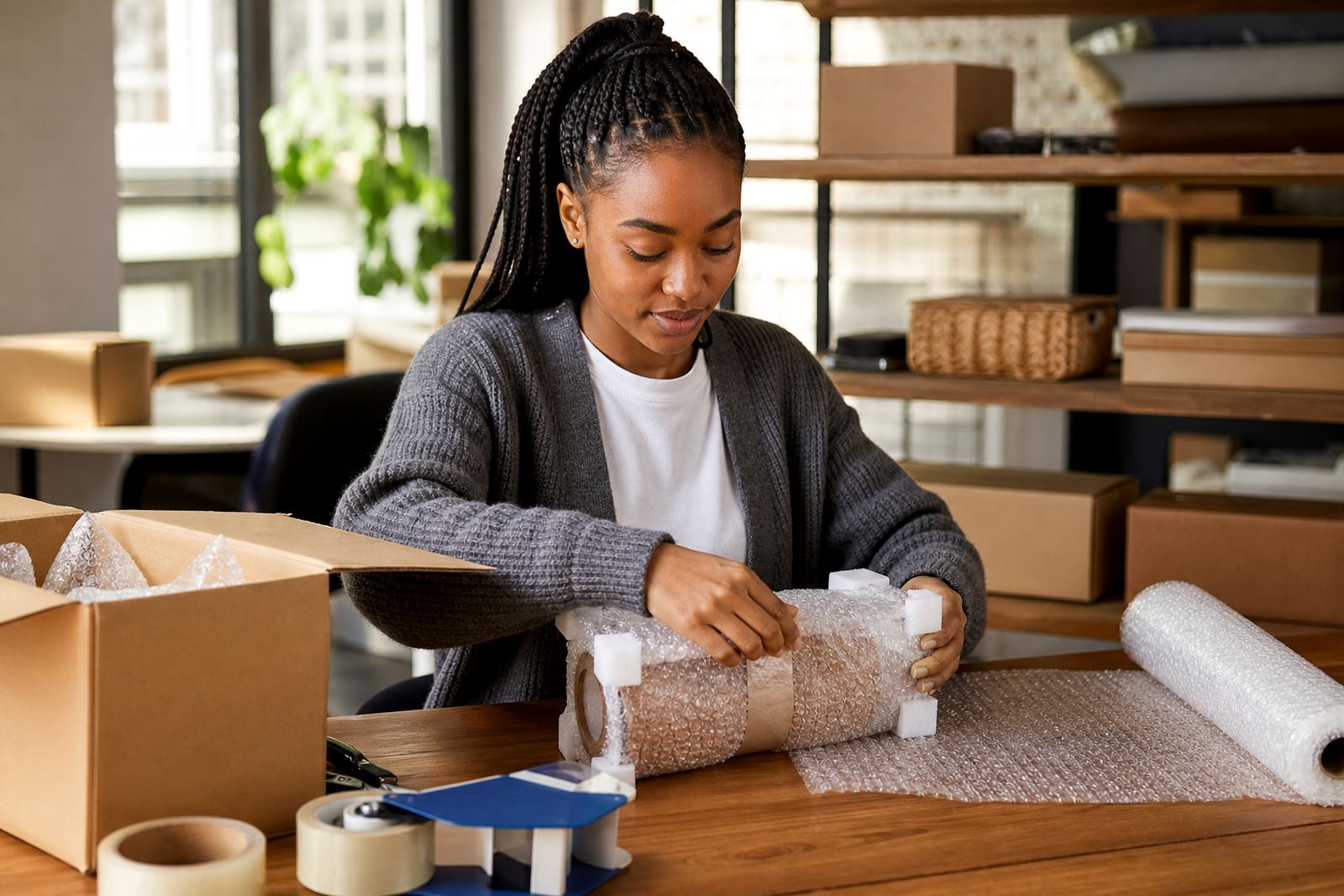
Start with the item itself. Remove loose parts, empty batteries where suitable, and wrap delicate sections separately. Use clean material that does not shed, stain, or scratch. If the item has corners, glass, screens, or painted surfaces, protect those first before you think about the outer box.
A strong inner wrap and a decent outer box are better than one thick layer around the item. If there is empty space inside the carton, fill it so the contents cannot slide. The aim is not to make the parcel heavy for the sake of it, but to stop movement. A parcel that rattles is often a parcel that gets damaged.
- Use a box that matches the item size, not one that is far too big.
- Seal all seams with proper packing tape, not a few strips across the top only.
- Mark fragile items clearly, but do not rely on the marking alone.
- Keep manuals, accessories and cables together in a labelled bag.
If the item is valuable or unusual, it helps to think like a courier sort facility. Can it be stacked, dropped a little, or turned on its side without breaking? If the answer is no, the packing should improve before dispatch.
Photograph the item before you close the box
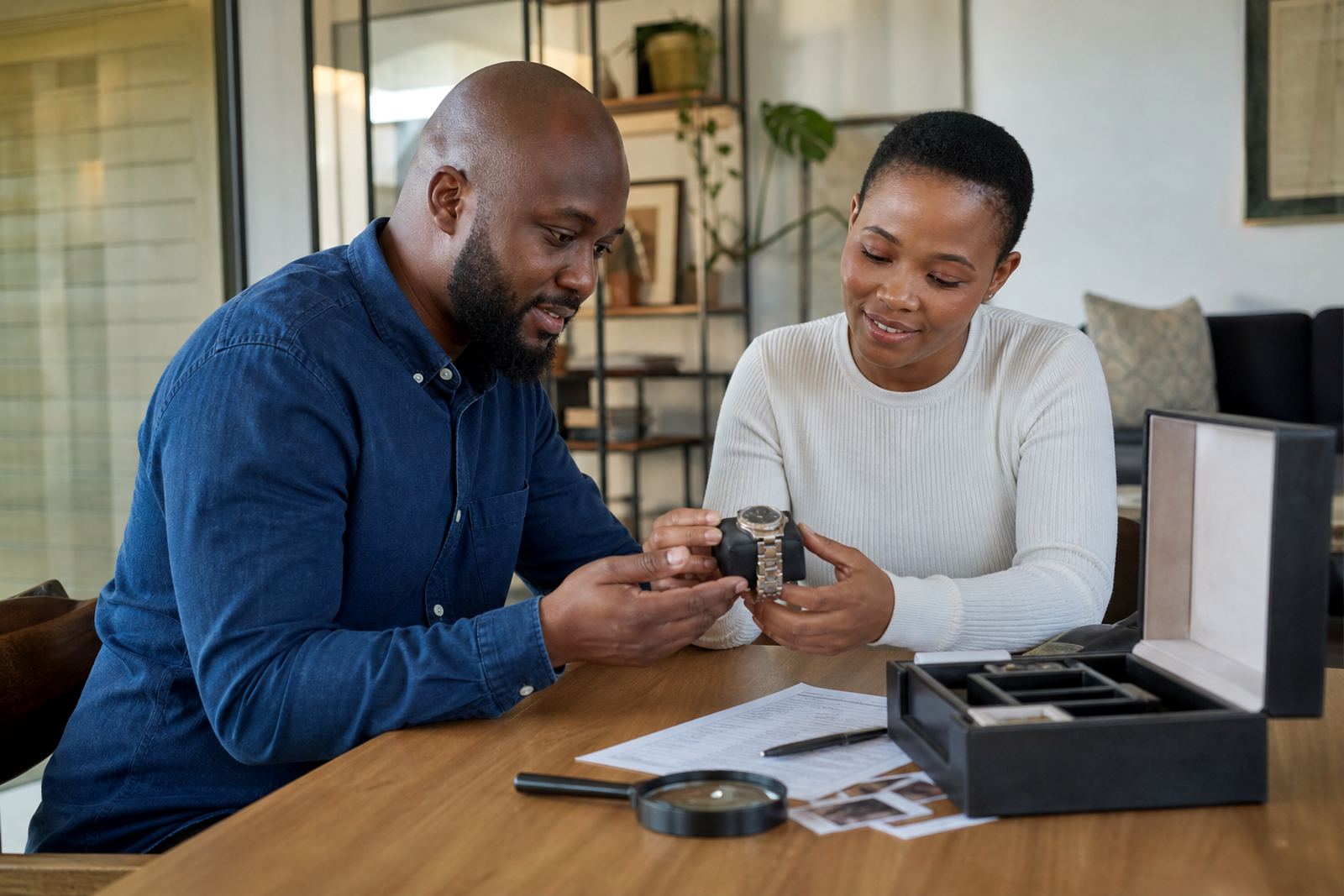
Photo records are one of the easiest ways to prevent a later argument. Take pictures of the item from several angles before packing, then take more photos while it is being wrapped, and again once the carton is sealed. Include close-ups of any marks or wear that already existed. That way nobody can claim a scratch was new when it was already there.
For sellers, the photos should show the item clearly, the packing materials used, and the final sealed parcel. If the item includes accessories, photograph them together before they go into the box. If you have the original packaging, include a picture of that too. It is also wise to keep the images dated and stored in one folder so they are easy to share if support is needed.
- Take pictures in good light, near a window if possible.
- Include the shipping label on the sealed box.
- Photograph any serial number or identifying feature.
- Keep a copy until the buyer has confirmed receipt.
For example, a seller in Randburg sending a used camera to Durban may think the foam insert is enough. But if the lens cap is loose and the battery door is not secured, the parcel can arrive with parts shifted or missing. A few extra minutes with photos and tape can save a long dispute later.
Match the packing method to the route and item type
Not every shipment needs the same treatment. A small book or accessory can travel in a padded envelope, while a monitor, small appliance, or handmade item may need a double-walled box, corner protection, and extra fill. The longer the route and the rougher the handling, the more careful the packing should be.
South African routes vary a lot. A short trip between Pretoria and Midrand may still include depot handling, courier scans, and last-mile transfers. A parcel heading from Johannesburg to Gqeberha can pass through several hands and sit in a hot warehouse or delivery vehicle. Coastal humidity can also affect paper items, textiles, and packaging that is not properly sealed.
Useful habits include:
- Wrap each part separately when the item has multiple components.
- Use plastic protection for moisture-sensitive items.
- Double-box fragile goods where practical.
- Seal liquids very carefully and only if they are allowed by the carrier rules.
- Protect edges and corners on framed, boxed, or rigid items.
If the product has a screen or delicate finish, do not let tape touch the surface. A simple mistake here can lead to a buyer saying the item arrived in worse condition than described, even if it worked perfectly when sent.
Keep the handover clean and documented
The parcel should not be the only thing that is documented. Note the date and time of handover, the courier or collection method used, and the condition of the outer packaging before it leaves. If the buyer is collecting in person, ask them to inspect the parcel at handover where practical. If a courier is used, keep the booking record and tracking details together.
When there is a delivery check or item condition review later, these records help support a fair outcome. They also help if there is a missing accessories claim, a courier issue, or a release query after delivery. The more complete the record, the easier it is to separate packing faults from transit damage.
Good records are not about creating tension. They are there so both sides can focus on the facts. Sellers who keep tidy records usually find that most issues are resolved faster, because there is less guessing about what happened and when.
Use support early if the buyer raises a problem
If the buyer says the parcel arrived damaged, do not rush to argue. Ask for clear photos of the outer box, inner wrapping, and the item itself. Check whether the complaint is about damage, missing accessories, wrong item, incomplete work, or a scope difference. These are not all the same, and the reply should match the issue.
Escrow services are meant to hold funds until the agreed delivery and confirmation steps are done, so the support process matters. If there is a dispute, both sides should keep messages factual and avoid guessing. Evidence such as packing photos, courier scans, and handover records is usually more helpful than a long back-and-forth.
TrustIn provides seller support across South Africa, including Sandton, Johannesburg, Cape Town, Durban, Pretoria, Gqeberha, Midrand and Randburg. If you are unsure how a provider handles release queries or disputes, check that the service is properly registered and that its terms are clear before you trade. That is especially important when the item is high value or the buyer is in another province.
Simple packing habits that save time later for escrow deals
A seller does not need fancy material to pack well. What matters is consistency. The same careful steps, every time, make it easier to avoid complaints and easier to prove that the item left in good condition. This is especially useful for online trades where the buyer and seller never meet face to face.
Before sealing the parcel, ask yourself three questions: Is the item protected from movement? Can I prove what was packed? Would I be comfortable opening this parcel if I were the buyer? If the answer to any of those is no, add another layer of protection or take another photo before it goes out.
Careful packing is not only about damage prevention. It shows that the seller took the trade seriously and it gives the buyer more confidence that the item will arrive as agreed, not in bits and pieces. That small bit of extra care can make the whole escrow process smoother for everyone involved.